A cross-cultural analysis of consumer behavior and payment preferences: Insights from India and the United Arab Emirates
(1) Jumeirah College Dubai, (2) Credit Restructuring Department, First Abu Dhabi Bank
https://doi.org/10.59720/25-276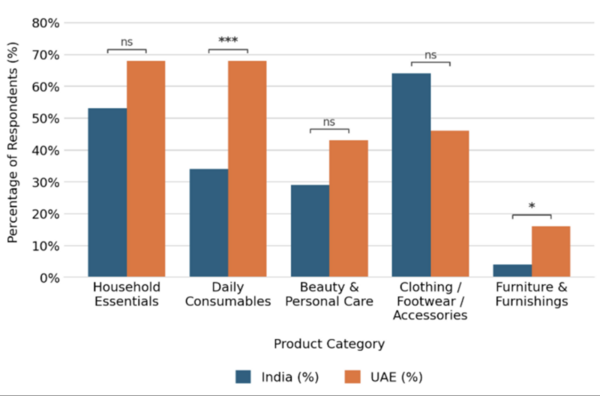
Consumer behavior has emerged as a crucial area of research for businesses and policymakers alike in today's international marketplace. Understanding how people make purchasing decisions in different cultural and economic environments can provide valuable insights into how companies can better serve their customers. However, while much research has explored consumer behavior within individual countries, less is understood about how these behaviors diverge between rapidly developing economies and wealthier, technologically saturated markets. This raises the scientific question of the extent to which cultural, economic, and technological differences shape not only what consumers buy but also how they choose to pay for it. This study, therefore, examined the contrasting consumer behaviors and payment preferences, driven by cultural, economic, and technological factors, in India and the United Arab Emirates (UAE). We hypothesized that Indian consumers are more price-sensitive due to economic constraints, whereas UAE consumers prioritize convenience because of higher disposable incomes and widespread technological adoption. To test this, we surveyed 50 respondents in each country about consumer spending habits. Our findings generally supported our hypothesis; we found that Indian consumers were more price-sensitive, preferring discounts and cash, while UAE consumers favored credit cards, mobile wallets, and online shopping. This study is particularly important because it provides actionable insights for retailers, market strategists, and policymakers. Businesses may develop more successful policies and plans to sell their commodities by understanding the distinct consumer preferences in India and the UAE. Additionally, this research can help tailor marketing campaigns to target these specific markets more efficiently.