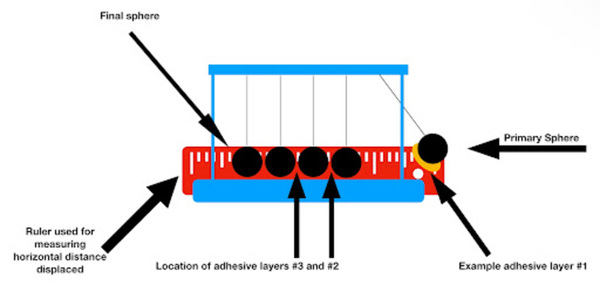
The energy conservation in a system of objects in collision depends on the elasticity of the objects and environmental factors such as air resistance. One system that relies heavily on elasticity is the Newton’s Cradle. We aimed to determine the extent to which these adhesives serve to mitigate or worsen the chaotic movements and elastic collisions.
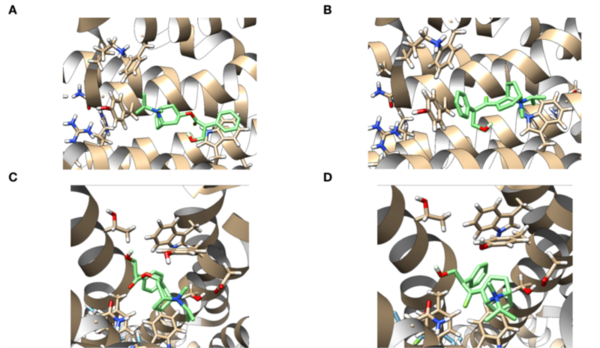
Anticholinergics are used in treating asthma, a chronic inflammation of the airways. These drugs block human M1 and M2 muscarinic acetylcholine receptors, inhibiting bronchoconstriction. However, studies have reported complications of anticholinergic usage, such as exacerbated eosinophil production and worsened urinary retention. Modification of known anticholinergics using bioisosteric replacements to increase efficacy could potentially minimize these complications. The present study focuses on identifying viable analogs of anticholinergics to improve binding energy to the receptors compared to current treatment options. Glycopyrrolate (G), ipratropium (IB), and tiotropium bromide (TB) were chosen as parent drugs of interest, due to the presence of common functional groups within the molecules, specifically esters and alcohols. Docking score analysis via AutoDock Vina was used to evaluate the binding energy between drug analogs and the muscarinic acetylcholine receptors. The final results suggest that G-A3, IB-A3, and TB-A1 are the most viable analogs, as binding energy was improved when compared to the parent drug. G-A4, IB-A4, IB-A5, TB-A3, and TB-A4 are also potential candidates, although there were slight regressions in binding energy to both muscarinic receptors for these analogs. By researching the effects of bioisosteric replacements of current anticholinergics, it is evident that there is a potential to provide asthmatics with more effective treatment options.
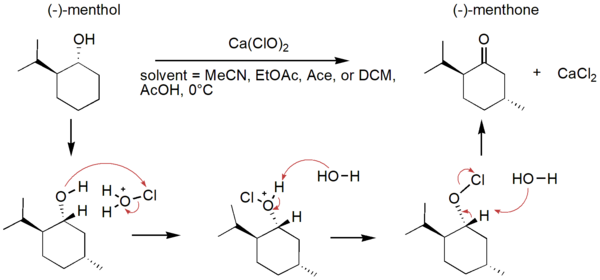
In an effort to reduce the production of hazardous substances, green chemistry aims to make chemical processes more sustainable. One way to do so is changing solvents in chemical reactions. Here, authors assessed different “green” solvents on the oxidation of (-)-menthol to (-)-menthone using Fourier-transform infrared (FTIR) spectroscopy, optimizing the solvent system for this reaction.
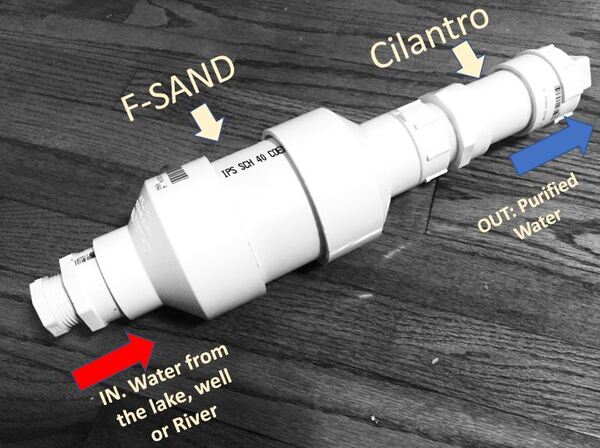
In this study, the authors investigate whether Moringa Oleifera seeds can serve as material to aid in purifying water. M. oleifera seeds have coagulating properties and the authors hypothesized that including it in a water filtration system would reduce particles, specifically bacteria, in water. Their results show that this system removed the largest percent of bacteria. When used in combination with cilantro, it was actually more efficient than the other techniques! These findings have important implications for creating better and more economical water purification systems.
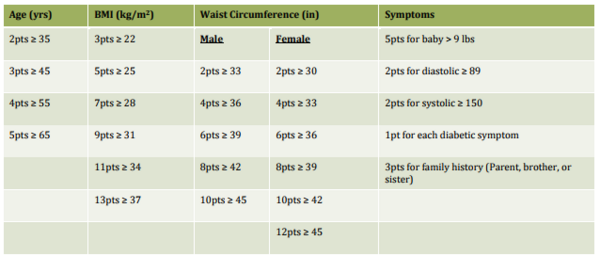
Diabetes is a growing health concern in the developing world. This study aimed to develop a questionnaire that uses factors including age, blood pressure, BMI, and family history to predict whether Filipino participants are at risk for diabetes.
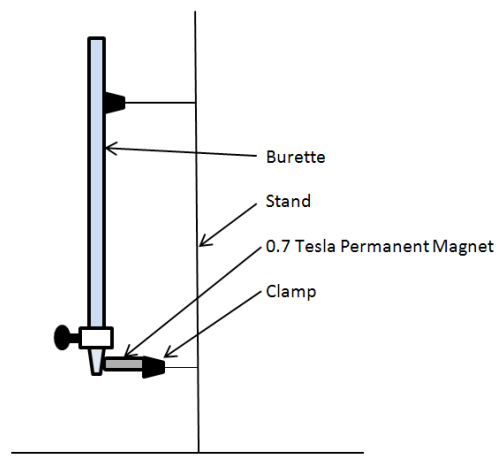
There are complex interactions between water and outside forces such as magnetic fields. This study aims to examine the effects of magnetic forces on the flow rate of water. The alteration of flow rate by magnets could have exciting applications in many fields.
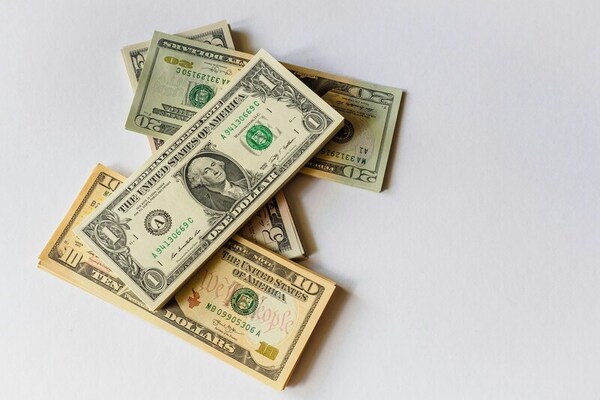
Here, recognizing the difficulty that visually impaired people may have differentiating United States currency, the authors sought to use artificial intelligence (AI) models to identify US currencies. With a one-stage AI they reported a test accuracy of 89%, finding that multi-level deep learning models did not provide any significant advantage over a single-level AI.
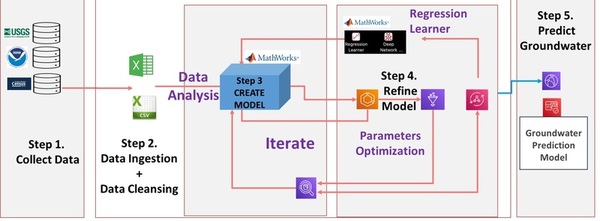
Here, in an effort to develop a model to predict future groundwater levels, the authors tested a tree-based automated artificial intelligence (AI) model against other methods. Through their analysis they found that groundwater levels in Texas aquifers are down significantly, and found that tree-based AI models most accurately predicted future levels.
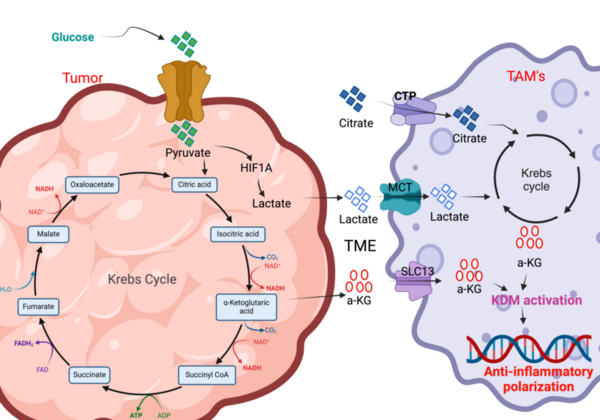
The authors looked at the impact of citrate and lactate on glioblastoma progression. Their results provide important insights for future immunotherapies aimed at treating glioblastoma.
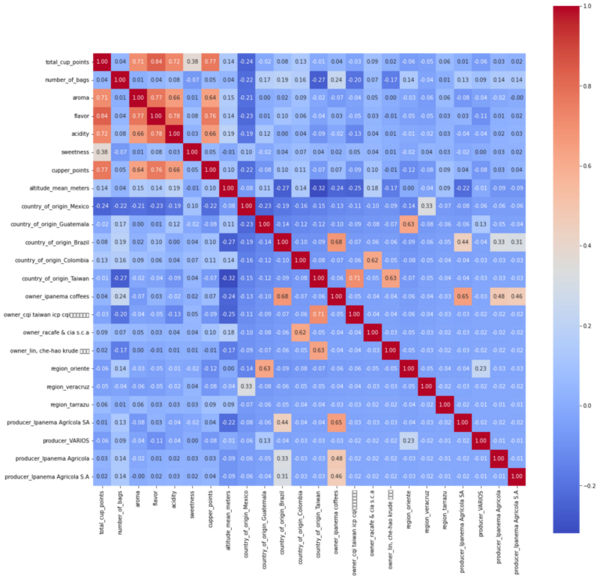
This study explores the factors that influence coffee quality ratings using data from the Coffee Quality Institute. Through a regression model based on gradient descent, the authors aimed to predict coffee ratings (total cup points) and hypothesized that sweetness and the coffee producer would be the most influential factors.