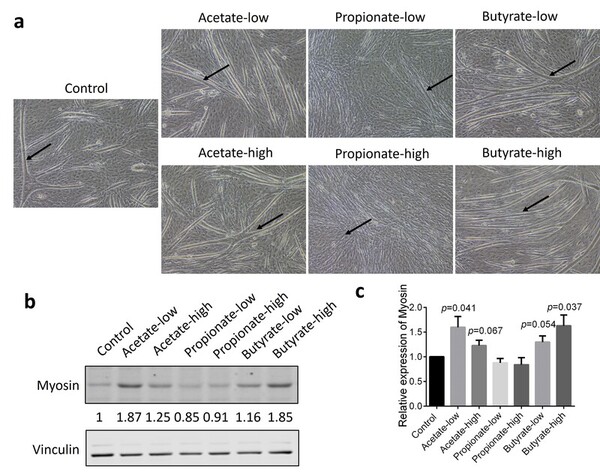
The authors looked at the impacts of short-chain fatty acids on muscle fiber formation as well as insulin sensitivity using a model of mouse myoblasts.
Read More...Investigating the impact of short-chain fatty acids on myofiber dynamics and insulin sensitivity
The authors looked at the impacts of short-chain fatty acids on muscle fiber formation as well as insulin sensitivity using a model of mouse myoblasts.
Read More...Designing gRNAs to reduce the expression of the DMPK gene in patients with classic myotonic dystrophy

The authors describe the design and testing of new guide RNAs targeting the DMPK gene, which is responsible for myotonic dystrophy.
Read More...Examination of the underlying chemical physics of the Mpemba effect in water and other liquids

Counterintuitive in nature, the Mpemba effect asserts that hot liquid freezes faster than cold liquid. While noted throughout history by scientific minds like Aristotle, the phenomenon remains in contention with varying hypotheses for the effect proposed alongside the effect’s rise in popularity. Contributing to the research efforts surrounding the Mpemba effect, the authors in this article explore the effect in different liquids ranging in physical properties and intermolecular forces to determine potential parameters attributable to producing the Mpemba effect.
Read More...Exotropia detection using computer vision, image processing and facial landmark detection
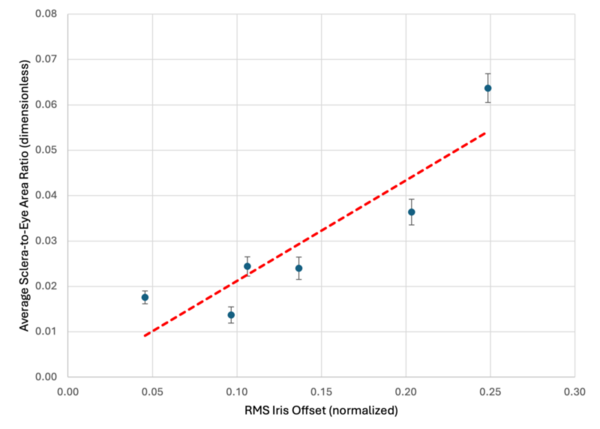
The authors looked at using computer vision to evaluate the degree of exotropia in individuals with strabismus.
Read More...Predicting sickle cell vaso-occlusion by microscopic imaging and modeling
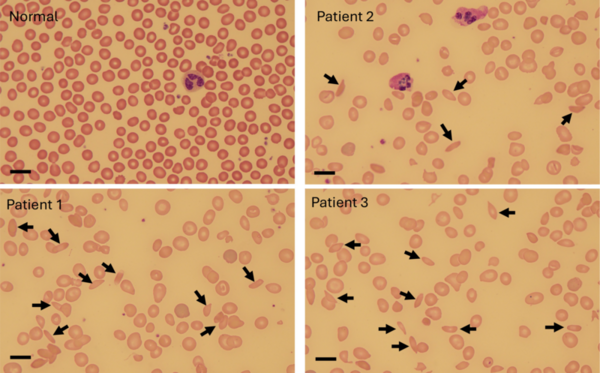
The authors use blood smears from individuals with sickle cell disease to correlate sickle cell frequency with the occurrence of vaso-occlusive crises.
Read More...Investigating the inhibition of catabolic enzymes for implications in cardiovascular diseases and diabetes
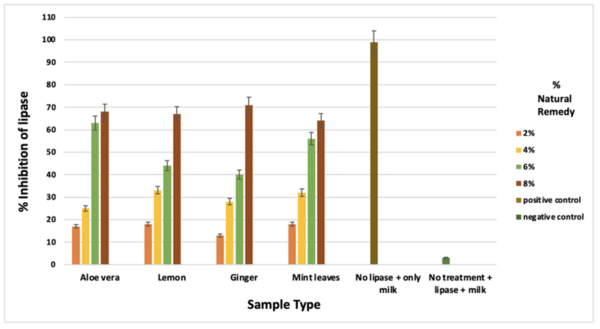
Enzymes that metabolize carbohydrates and lipids play a key role in our health, including global health challenges like cardiovascular diseases and diabetes. To learn more about these important enzymes, Gandhi and Gandhi test whether various natural substances (ginger, Aloe vera, lemon, and mint leaves) affect the activity of α-amylase and lipase enzymes.
Read More...Substance Abuse Transmission-Impact of Parental Exposure to Nicotine/Alcohol on Regenerated Planaria Offspring
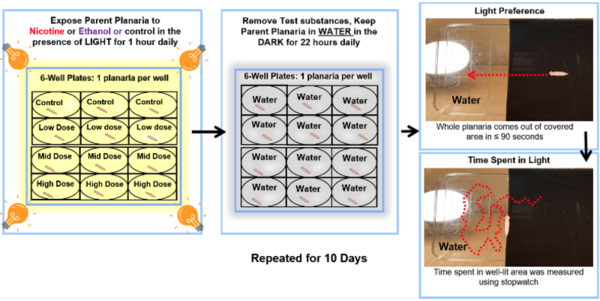
The global mental health crisis has led to increased substance abuse among youth. Prescription drug abuse causes approximately 115 American deaths daily. Understanding intergenerational transmission of substance abuse is complex due to lengthy human studies and socioeconomic variables. Recent FDA guidelines mandate abuse liability testing for neuro-active drugs but overlook intergenerational transfer. Brown planaria, due to their nervous system development similarities with mammals, offer a novel model.
Read More...Genetic underpinnings of the sex bias in autism spectrum disorder

Here, seeking to identify a possible explanation for the more frequent diagnosis of autism spectrum disorder (ASD) in males than females, they sought to investigate a potential sex bias in the expression of ASD-associated genes. Based on their analysis, they identified 17 ASD-associated candidate genes that showed stronger collective sex-dependent expression.
Read More...Administration of Stephania tetrandra to Drosophila melanogaster to create obsessive compulsive disorder model
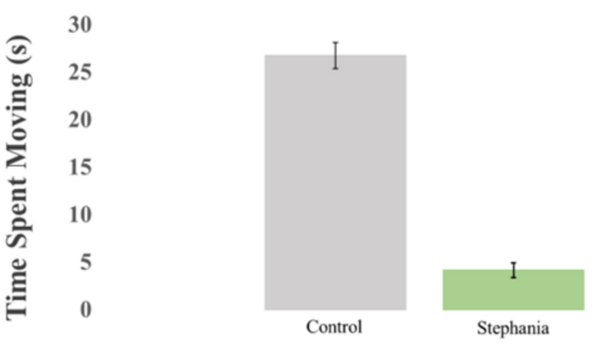
In this study the authors looked at the extract of Stephania tetrandra and its impact on symptoms related to obsessive compulsive disorder in fruit flies.
Read More...Societal awareness regarding viral Hepatitis in developed and developing countries
Many cases of viral hepatitis are easily preventable if caught early; however, a lack of public awareness regarding often leads to diagnoses near the final stages of disease when it is most lethal. Thus, we wanted to understand to what extent an individual's sex, age, education and country of residence (India or Singapore) impacts disease identification. We sent out a survey and quiz to residents in India (n = 239) and Singapore (n = 130) with questions that test their knowledge and awareness of the disease. We hypothesized that older and more educated individuals would score higher because they are more experienced, but that the Indian population will not be as knowledgeable as the Singaporean population because they do not have as many resources, such as socioeconomic access to schools and accessibility to healthcare, available to them. Additionally, we predicted that there would not be any notable differences between make and females. The results revealed that the accuracy for all groups we looked at was primarily below 50%, demonstrating a severe knowledge gap. Therefore, we concluded that if more medical professionals discussed viral hepatitis during hospital visits and in schools, patients can avoid the end stages of the disease in notable cases.
Read More...