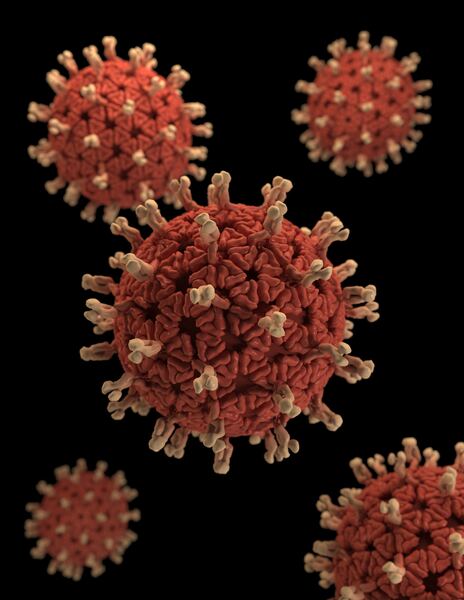
In order to determine whether unmarked soybeans in the market were genetically modified crops, the authors developed a polymerase chain reaction (PCR) screen for DNA lectin.
Read More...PCR technology for screening genetically modified soybeans
In order to determine whether unmarked soybeans in the market were genetically modified crops, the authors developed a polymerase chain reaction (PCR) screen for DNA lectin.
Read More...Propagation of representation bias in machine learning
Using facial recognition as a use-case scenario, we attempt to identify sources of bias in a model developed using transfer learning. To achieve this task, we developed a model based on a pre-trained facial recognition model, and scrutinized the accuracy of the model’s image classification against factors such as age, gender, and race to observe whether or not the model performed better on some demographic groups than others. By identifying the bias and finding potential sources of bias, his work contributes a unique technical perspective from the view of a small scale developer to emerging discussions of accountability and transparency in AI.
Read More...Performance comparison of indoor polyculture utilizing hydroponic and soil-based systems
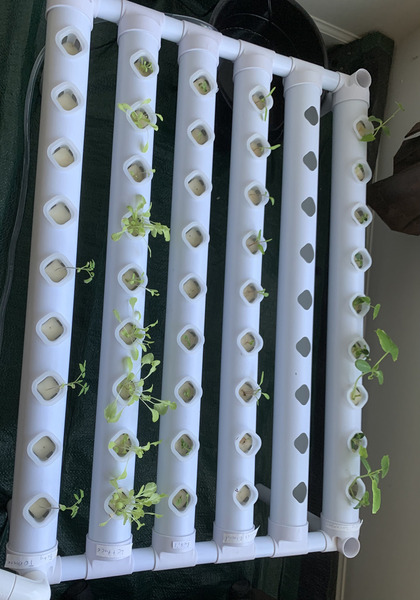
Hydroponics is often promoted as a highly efficient alternative to traditional soil farming, but its effectiveness in small indoor polyculture systems is not well understood. In this study, students compared plant growth and maturity across hydroponic and soil-based indoor polycultures and found that soil grown plants were generally taller and more mature than those grown hydroponically. These results suggest that soil-based methods may outperform hydroponics in certain household polyculture settings.
Read More...CDK7 inhibition disrupts androgen signaling and induces metabolic rewiring in prostate cancer cells
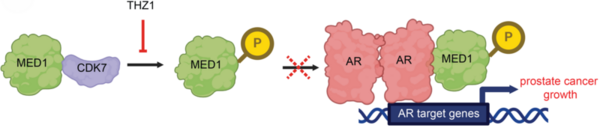
The authors used RNA-seq datasets to assess the effect of CDK7 inhibition on transcriptional pathways in castration-resistant prostate cancer cells.
Read More...Bacteriophage TLS sensitizes Escherichia coli to antibiotics
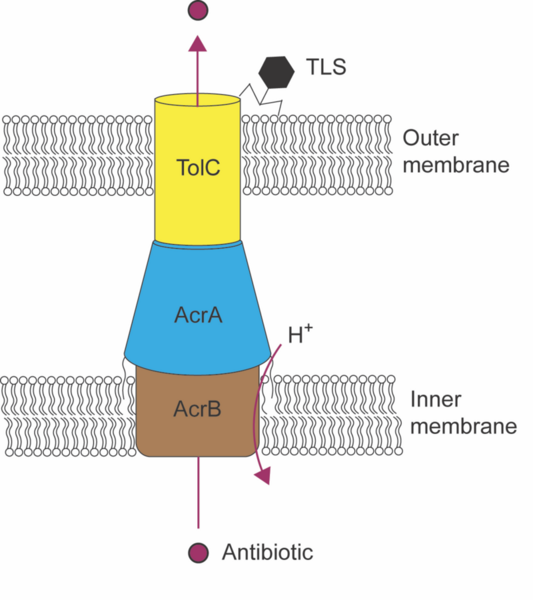
Antibiotic resistance is a growing global health threat, and one strategy to combat it is using bacteriophages to enhance the effectiveness of existing antibiotics. This study tested whether targeting the TolC protein in E. coli with the TLS bacteriophage would increase bacterial sensitivity to antibiotics.
Read More...Artificial intelligence face-tracking for a semi-virtual reality gaming experience
The authors studied the impact of AI face-tracking technology on the immersiveness of videogames as an alternative to virtual reality gaming.
Read More...Unraveling individuality in dance through weight distribution analysis of Nihon Buyo dancers
The author looked at how dance styles can vary by individuals, even between a student and their teacher.
Read More...Strain selective in vitro and in silico structure activity relationship of tetracycline antibiotics
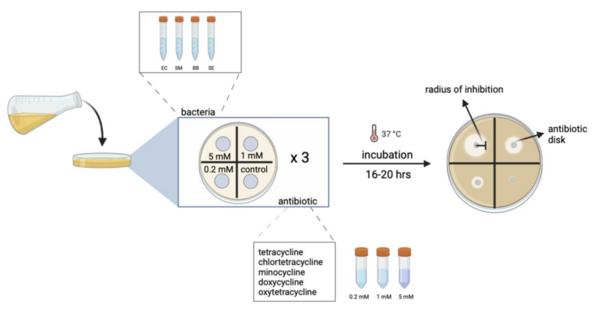
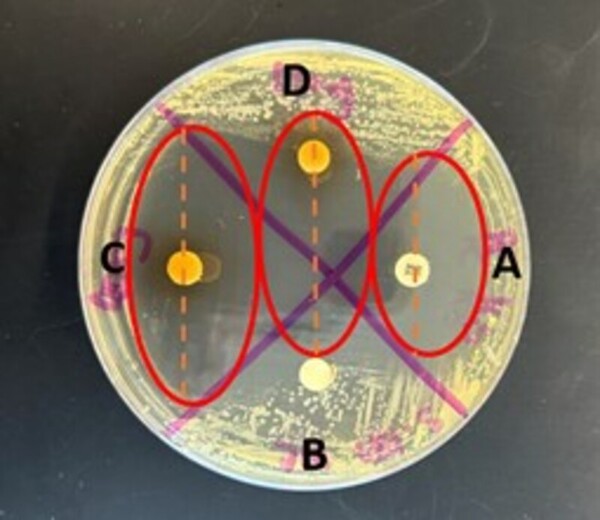
The authors looked at four members of the tetracycline antibiotic family/class against four different species of bacteria.
Read More...Elevated GPx4 and FSP1 expression in MG63 cells: Exploring potential links to drug resistance and ferroptosis
Current osteosarcoma (OS) treatments rely on surgery and chemotherapy, but drug resistance remains a major challenge that lowers patient survival rates. Ferroptosis, a form of regulated cell death, has shown promise in cancer therapy but is not well understood in OS. This study explores the use of Ferroptosis in OS.
Read More...How artificial intelligence deep learning models can be used to accurately determine lung cancers
The authors looked at the ability of different deep learning models to predict the presence of lung cancer from chest CT scans. They found that a pre-trained CNN model performed better than an autoencoder model.
Read More...