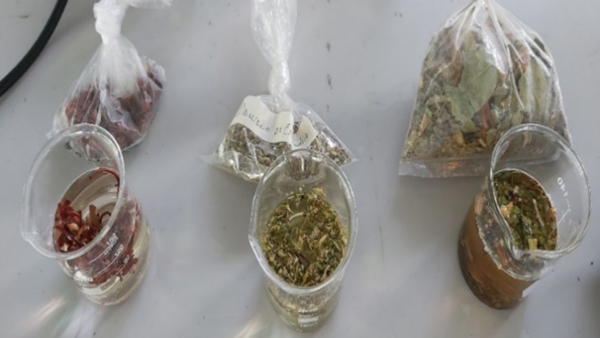
This study investigates the presence of alkaloids in a variety of medicinal plants using the Marquis reagent. They reveal some surprising results and how useful the Marquis reagent is.
Read More...Alkaloids Detection in Commonly Found Medicinal Plants with Marquis Reagent
This study investigates the presence of alkaloids in a variety of medicinal plants using the Marquis reagent. They reveal some surprising results and how useful the Marquis reagent is.
Read More...Potential Multifunctional Agents for Dual Therapy of Age-Related and Associated Diseases: Alzheimer’s Disease and Type 2 Diabetes Mellitus
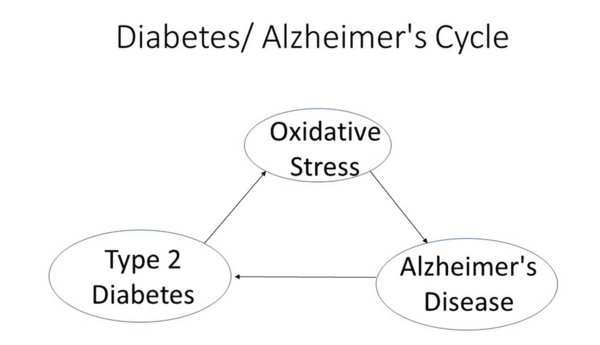
Studies show an age-related link between Alzheimer’s Disease and Type 2 Diabetes Mellitus with oxidative stress a characteristic of both. Here, methanolic fractionations and extracts of four Ayurvedic plants were assessed for their protective abilities using a number of in vitro assays. Extracts inhibited oxidative stress and reduced activity of key enzymes involved in the pathogenesis of both diseases in neuroblastoma cells.
Read More...The impact of temperature on the hydrolysis of potato starches into simple sugars

The authors looked at how storage temperature of potatoes can impact the sweetness of potatoes (due to the break down of the starch into simple sugars).
Read More...Toxicity of aminomethylphosphonic acid via the Wnt signaling pathway as a novel mechanism

The Wnt signaling pathway, known to coordinate important aspects of cellular homeostasis ranging from differentiation, proliferation, migration, and much more, is dysregulated in many human diseases. This study demonstrates that aminomethylphosphonic acid, which is the main metabolite found in the common herbicide Glyphosate, is toxic to planaria and capable of binding to canonical Wnt proteins.
Read More...Application of arbuscular mycorrhizal fungi to inhibit nitrogen uptake of weeds within crop fields
.jpg)
In this study, the ability of arbuscular mycorrhizal fungi to limit the growth of an agricultural weed Cirsium arvense is tested. This has important implications for developing natural herbicides.
Read More...PCR technology for screening genetically modified soybeans
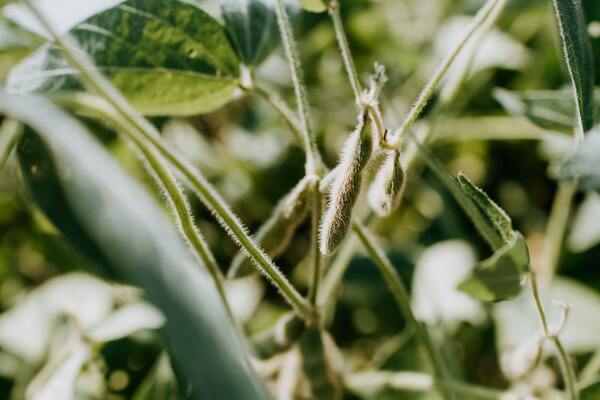
In order to determine whether unmarked soybeans in the market were genetically modified crops, the authors developed a polymerase chain reaction (PCR) screen for DNA lectin.
Read More...In vitro Comparison of Anticancer and Immunomodulatory Activities of Resveratrol and its Oligomers
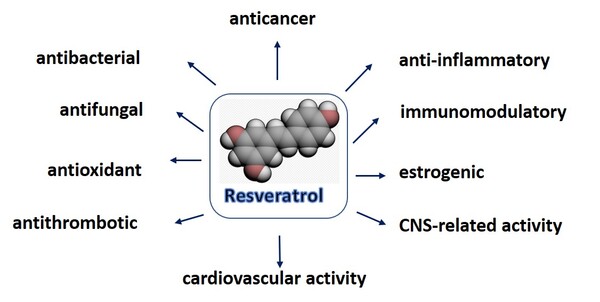
Resveratrol is a type of stillbenoid, a phenolic compound produced in plants, that is known for its anti-inflammatory and anticancer effects. Many oligomers of resveratrol have recently been isolated their bioactivities remain unknown. Here, authors compared the bioactivities of resveratrol with natural dimers (ε-viniferin and gnetin H) and trimers (suffruticosol B and C). Results provide preliminary evidence that resveratrol oligomers could be potential preventive or therapeutic agents for cancers and other immune-related diseases
Read More...The role of Gymnema sylvestre tea in modulating the perception of sweetness

This study investigates the ability of Gymnema sylvestre tea to acutely suppress sweet taste perception across various food groups. Our findings demonstrate how this natural botanical can reduce sugar cravings, offering a potential complementary strategy for managing dietary intake in type 2 diabetes.
Read More...An in silico molecular analysis of the antifungal properties of Ageratum conyzoides
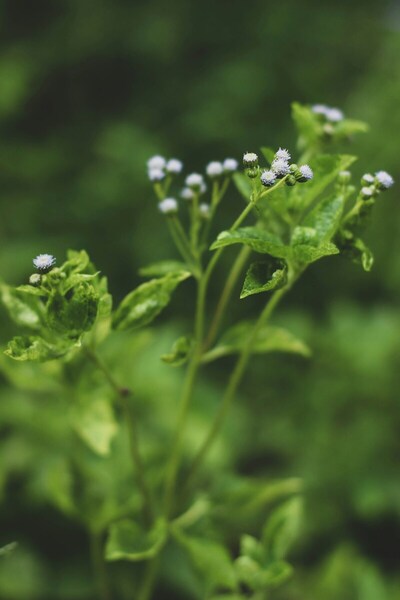
This study explores the interaction between precocene II and trichocethecene 3-O-acetyltransferase using molecular docking simulations. Computational analysis identified several potential binding sites on the enzyme surface and predicted favorable ligand-protein interactions involving key residues. These findings provide insight into how precocene II may interact with this enzyme and demonstrate the use of computational approaches to explore potential antifungal mechanisms.
Read More...Lettuce seed germination in the presence of microplastic contamination
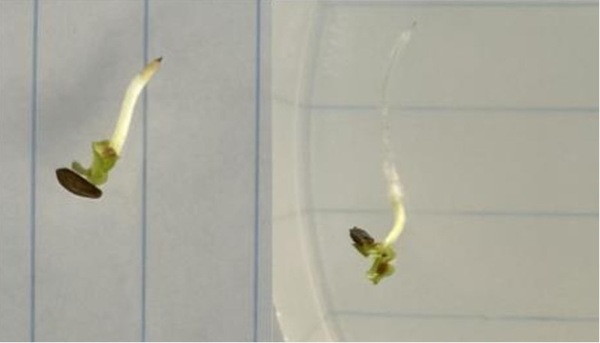
Microplastic pollution is a pressing environmental issue, particularly in the context of its potential impacts on ecosystems and human health. In this study, we explored the ability of plants, specifically those cultivated for human consumption, to absorb microplastics from their growing medium. We found no evidence of microplastic absorption in both intact and mechanically damaged roots. This outcome suggests that microplastics larger than 10 μm may not be readily absorbed by the root systems of leafy crops such as lettuce (L. sativa).
Read More...