Browse Articles

The Effects of Antibiotics on Nutrient Digestion

Murea et al. | Oct 06, 2017

The Effects of Antibiotics on Nutrient Digestion

One disadvantage of antibiotic therapy is the potential for unpleasant gastrointestinal side effects. Here, the authors test whether some common antibiotics directly interfere with the digestion of protein, fat, or sugars. This study provides motivation to more carefully investigate the interactions between antibiotics and gut enzymes in order to inform treatment decisions and improve patient outcomes.

Read More...
The growth of bacteria on everyday objects and the antimicrobial effects of household spices

Daehan Yi et al. | Apr 29, 2026

The growth of bacteria on everyday objects and the antimicrobial effects of household spices
Image credit: Daehan Yi, Boughaleb Hassani and Ribeiro

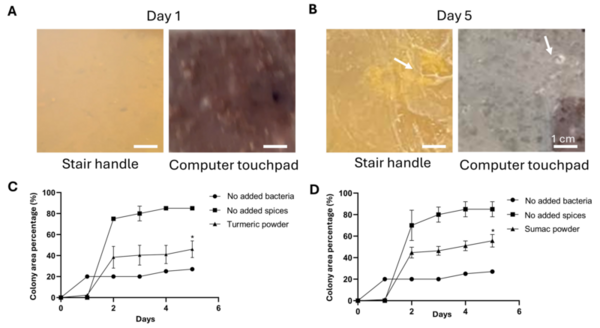
The study investigates the antibacterial properties of household spices on bacteria isolated from everyday objects, aiming to address the limited understanding of bacterial resilience on surfaces and the potential of spices as antibacterial agents. Researchers hypothesized that bacteria would grow faster on some surfaces than others and that spices like honey, chili powder, turmeric, and sumac would inhibit bacterial growth at varying rates. The findings suggest that household spices possess significant antibacterial properties and could be used as emergency disinfectants, particularly in under-resourced settings. However, they cannot replace medical treatments but offer insights into alternative health solutions using common ingredients.

Read More...

The effect of bioenhancers on ampicillin-sulbactam as a treatment against A. baumannii

Balaji et al. | Sep 21, 2024

The effect of bioenhancers on ampicillin-sulbactam as a treatment against <i>A. baumannii<i>

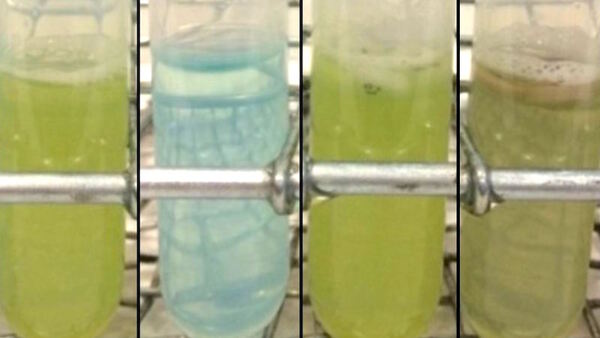
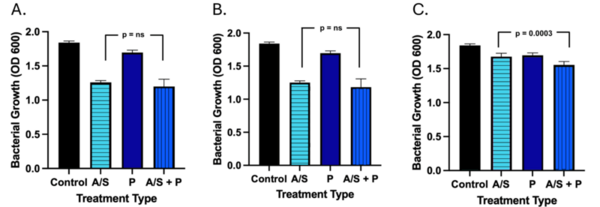
This article explores the potential of piperine, a bioenhancer from black pepper, to improve antibiotic efficacy against antibiotic-resistant Acinetobacter baumannii. By combining piperine with ampicillin-sulbactam, the study demonstrated a significant reduction in bacterial growth for most strains tested, showcasing the promise of bioenhancers in combating resistant pathogens. This research highlights the possibility of reducing the required antibiotic dosage, potentially offering a new strategy in the fight against drug-resistant bacteria.

Read More...

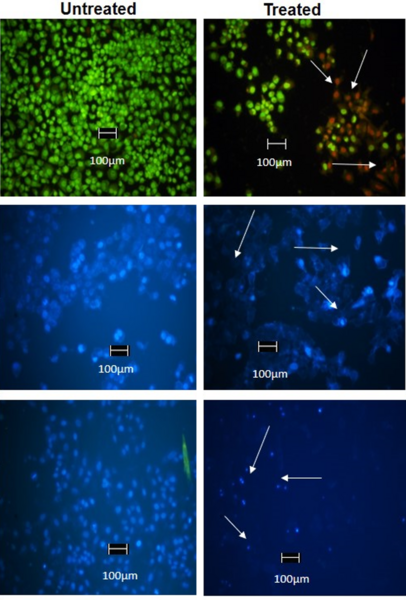
Phospholipase A2 increases the sensitivity of doxorubicin induced cell death in 3D breast cancer cell models

Lee et al. | Mar 30, 2022

Phospholipase A2 increases the sensitivity of doxorubicin induced cell death in 3D breast cancer cell models

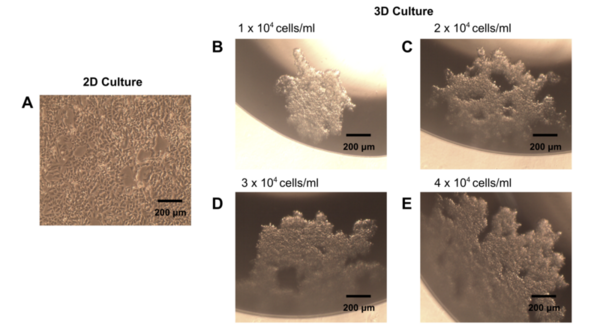
Inefficient penetration of cancer drugs into the interior of the three-dimensional (3D) tumor tissue limits drugs' delivery. The authors hypothesized that the addition of phospholipase A2 (PLA2) would increase the permeability of the drug doxorubicin for efficient drug penetration. They found that 1 mM PLA2 had the highest permeability. Increased efficiency in drug delivery would allow lower concentrations of drugs to be used, minimizing damage to normal cells.

Read More...

Phytochemical Analysis of Amaranthus spinosus Linn.: An in vitro Analysis

Sharma et al. | Mar 20, 2021

Phytochemical Analysis of <em>Amaranthus spinosus</em> Linn.: An <em>in vitro</em> Analysis

Mainstream cancer treatments, which include radiotherapy and chemotherapeutic drugs, are known to induce oxidative damage to healthy somatic cells due to the liberation of harmful free radicals. In order to avert this, physiological antioxidants must be complemented with external antioxidants. Here the authors performed a preliminary phytochemical screen to identify alkaloids, saponins, flavonoids, polyphenols, and tannins in all parts of the Amaranthus spinosus Linn. plant. This paper describes the preparation of this crude extract and assesses its antioxidant properties for potential use in complementary cancer treatment.

Read More...