Browse Articles

The Effect of Ultraviolet Radiation and the Antioxidant Curcumin on the Longevity, Fertility, and Physical Structure of Drosophila melanogaster: Can We Defend Our DNA?

Lateef et al. | May 18, 2019

The Effect of Ultraviolet Radiation and the Antioxidant Curcumin on the Longevity, Fertility, and Physical Structure of <em>Drosophila melanogaster</em>: Can We Defend Our DNA?

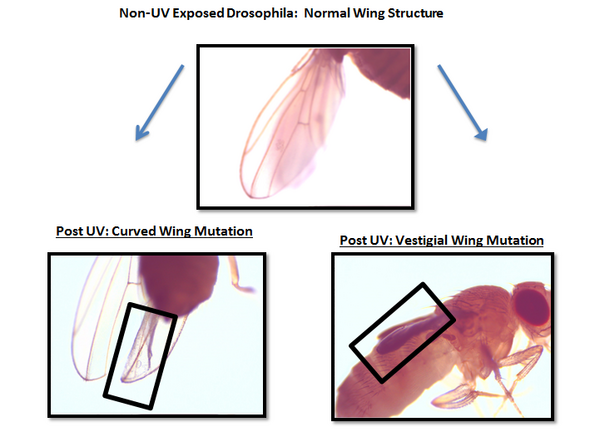
Ultraviolet (UV) radiation is known to alter DNA structure and impair cellular function in all living organisms. In this study, Lateef et al examine the effects of UV radiation to determine whether antioxidant-enriched nutrition can combat the potential deleterious effects of UV radiation on Drosophila melanogaster. They found that UVB (320nm) radiation caused a 59% decrease in the Drosophila lifespan and mutagenic effects on flies' physical appearance, but did not significantly affect fertility. Curcumin significantly prolonged lifespan and enhanced fertility for both UV- and non-UV-exposed flies. The research demonstrates the positive potential of natural antioxidants as weapons against radiation-induced diseases including cancer.

Read More...
Evolution of Neuroplastin-65

Cremers et al. | Oct 26, 2016

Evolution of Neuroplastin-65

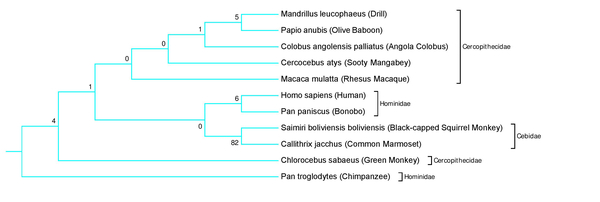
Human intelligence is correlated with variation in the protein neuroplastin-65, which is encoded by the NPTN gene. The authors examine the evolution of this gene across different animal species.

Read More...

Determining degree of dissociation through conductivity

Dunn et al. | Jan 26, 2024

Determining degree of dissociation through conductivity

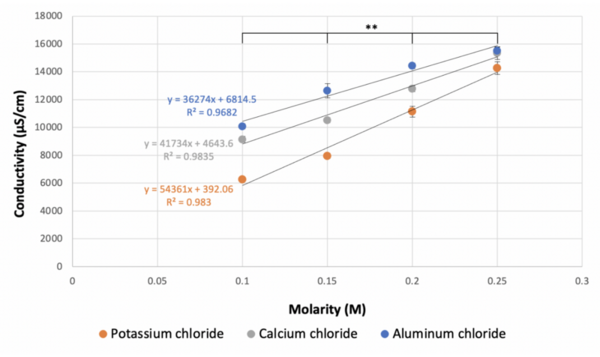
The authors looked at how molarity impacts the degree to which ionic compounds dissociate in solution. They found that lower molarities led to decreased conductivity of solutions in a manner that did not follow the theoretical predictions.

Read More...

Testing the Effects of Resveratrol, Apigenin, and Glucosamine to Effectively Reduce Prostate Cancer Cell Proliferation, Migration Levels, and Increase Apoptosis

Yang et al. | Apr 16, 2020

Testing the Effects of Resveratrol, Apigenin, and Glucosamine to Effectively Reduce Prostate Cancer Cell Proliferation, Migration Levels, and Increase Apoptosis

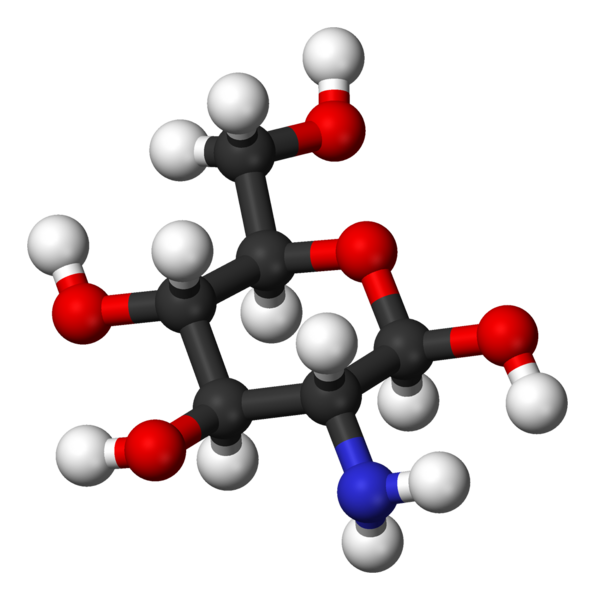
The current five-year survival rate of metastasized prostate cancer is only 30% and occurs in every one in nine men. Researchers have shown that people with a type of dwarfism called Laron’s Syndrome are immune to cancer due to their low levels of insulin-like growth factor-1 (IGF-1). For this reason, experimentally modifying the level of IGF-1 could provide better insight into whether lowering the levels of IGF-1 in prostate cancer cell lines (e.g. PC-3) could be an effective treatment to reduce their rates of proliferation and migration and increase apoptosis. We selected three compounds, which researchers have shown decrease IGF-1 levels, to test and combine to determine which is the most promising.

Read More...