Browse Articles

Applying centrality analysis on a protein interaction network to predict colorectal cancer driver genes

Saha et al. | Nov 18, 2023

Applying centrality analysis on a protein interaction network to predict colorectal cancer driver genes

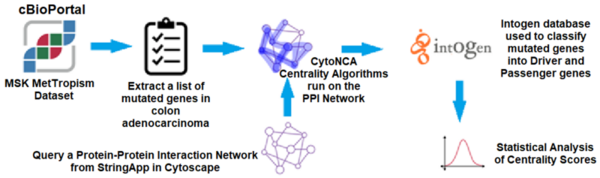
In this article the authors created an interaction map of proteins involved in colorectal cancer to look for driver vs. non-driver genes. That is they wanted to see if they could determine what genes are more likely to drive the development and progression in colorectal cancer and which are present in altered states but not necessarily driving disease progression.

Read More...

Time-Efficient and Low-Cost Neural Network to detect plant disease on leaves and reduce food loss and waste

Singh et al. | Apr 24, 2023

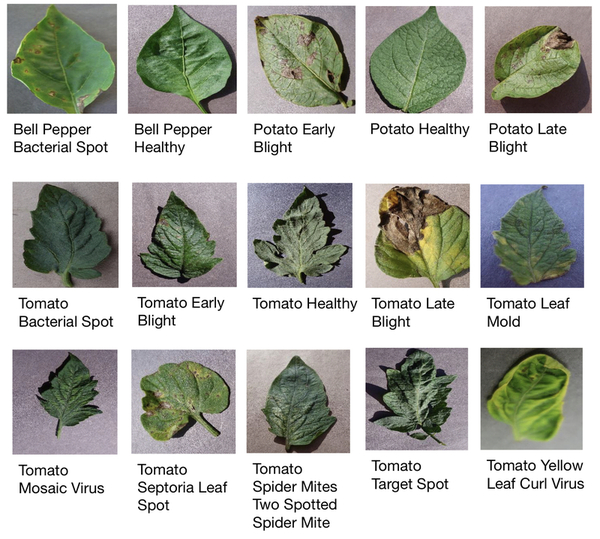
Time-Efficient and Low-Cost Neural Network to detect plant disease on leaves and reduce food loss and waste

About 25% of the food grown never reaches consumers due to spoilage, and 11.5 billion pounds of produce from gardens are wasted every year. Current solutions involve farmers manually looking for and treating diseased crops. These methods of tending crops are neither time-efficient nor feasible. I used a convolutional neural network to identify signs of plant disease on leaves for garden owners and farmers.

Read More...

A five-year retrospective analysis of Tuberculosis risk factors and their variability in the United States

Kini et al. | Mar 14, 2026

A five-year retrospective analysis of Tuberculosis risk factors and their variability in the United States
Image credit: Kini, Diaz Gaviria, Diaz, and Kini

The main goal of this study is to determine what demographics are related to tuberculosis incidence in the United States populations, particularly if changing demographics are related to differences in tuberculosis risk over two discrete time periods. The major finding is that in the two studied time periods, tuberculosis risk factors were somewhat consistent and may be influenced by things such as immigration, healthcare access, and race or ethnicity, although the top predictor did change.

Read More...

Optimizing AI-generated image detection using a Convolutional Neural Network model with Fast Fourier Transform

Gupta et al. | Oct 24, 2025

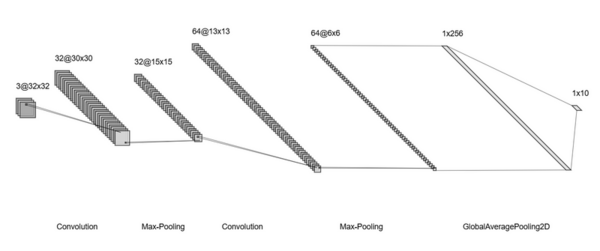
Optimizing AI-generated image detection using a Convolutional Neural Network model with Fast Fourier Transform

Recent advances in generative AI have made it increasingly hard to distinguish real images from AI-generated ones. Traditional detection models using CNNs or U-net architectures lack precision because they overlook key spatial and frequency domain details. This study introduced a hybrid model combining Convolutional Neural Networks (CNN) with Fast Fourier Transform (FFT) to better capture subtle edge and texture patterns.

Read More...

Trust in the use of artificial intelligence technology for treatment planning

Srivastava et al. | Sep 18, 2024

Trust in the use of artificial intelligence technology for treatment planning

As AI becomes more integrated into healthcare, public trust in AI-developed treatment plans remains a concern, especially for emotionally charged health decisions. In a study of 81 community college students, AI-created treatment plans received lower trust ratings compared to physician-developed plans, supporting the hypothesis. The study found no significant differences in AI trust levels across demographic factors, suggesting overall skepticism toward AI-driven healthcare.

Read More...