Browse Articles

Luteolin's positive inhibition of melanoma cell lines.

Su et al. | Nov 17, 2020

Luteolin's positive inhibition of melanoma cell lines.

Luteolin (3′,4′,5,7-tetrahydroxyflavone) is a flavonoid that occurs in fruits, vegetables, and herbs. Research suggests that luteolin is effective against various forms of cancer by triggering apoptosis pathways. This experiment analyzes the effects of luteolin on the cell viability of malignant melanoma cells using an in vitro experiment to research alternative melanoma treatments and hopefully to help further cancer research as a whole.

Read More...

The Effect of Common Cations on DNA Degradation

Larina et al. | Nov 06, 2016

The Effect of Common Cations on DNA Degradation

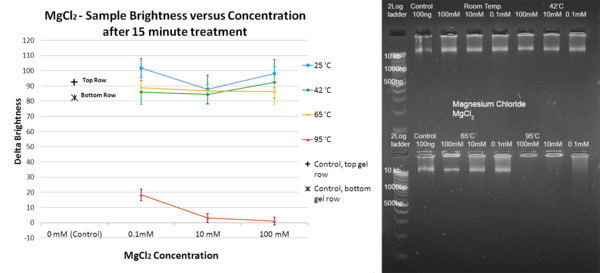
Heating of DNA-containing solutions is a part of many experiment protocols, but it can also cause damage and degradation of the DNA molecules, potentially leading to error in the experimental results. The authors of this paper investigate whether the presence of certain cations during heating can stabilize the DNA polymer and aid the preservation of the molecule.

Read More...

Mutation of the Catalytic Cysteine in Anopheles gambiae Transglutaminase 3 (AgTG3) Abolishes Plugin Crosslinking Activity without Disrupting Protein Folding Properties

Pham et al. | May 02, 2014

Mutation of the Catalytic Cysteine in <em>Anopheles gambiae</em> Transglutaminase 3 (AgTG3) Abolishes Plugin Crosslinking Activity without Disrupting Protein Folding Properties

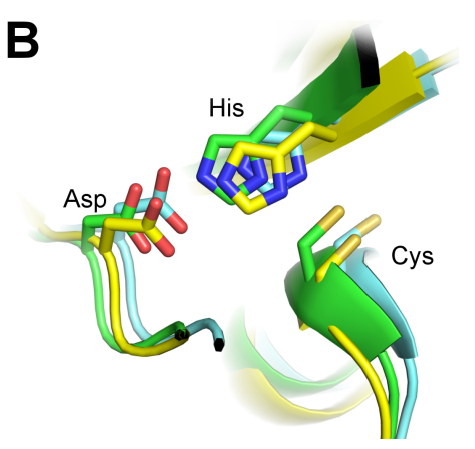
Malaria is a major public health issue, especially in developing countries, and vector control is a major facet of malaria eradication efforts. Recently, sterile insect technique (SIT), or the release of sterile mosquitoes into the wild, has shown significant promise as a method of keeping vector populations under control. In this study, the authors investigate the Anopheles gambiae transglutaminase 3 protein (AgT3), which is essential to the mating of the Anopheles mosquito. They show that an active site mutation is able to abolish the activity of the AgT3 enzyme and propose it as a potential target for chemosterilant inhibitors.

Read More...