Browse Articles

Obscurity of eyebrows influences recognition of human emotion and impacts older adolescents

Zhang et al. | Jan 20, 2025

Obscurity of eyebrows influences recognition of human emotion and impacts older adolescents
Image credit: Ernesto Norman

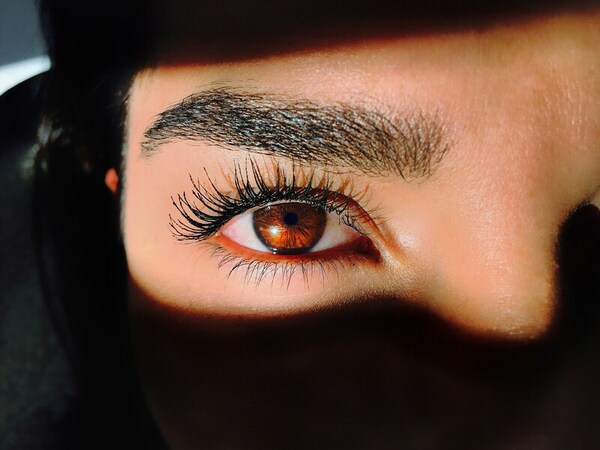
Here, seeking to better understand how facial features provide important visual cues to help convey emotions, the authors evaluated the accuracy and reaction time of participants in regards to experimental photographs where a person's eyebrows were obscured and ones where they were not. Their findings revealed that removing eyebrows resulted in a significant decrease in a participant's ability to recognize anger, with adolescents most likely to misidentify emotions.

Read More...

How Ya Doin'? with COVID-19

Kung et al. | Dec 02, 2021

How Ya Doin'? with COVID-19

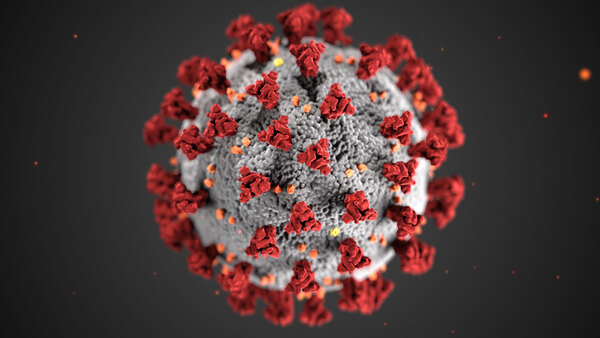
In this study, the authors survey students and adults about how the COVID-19 pandemic has impacted their sleep patterns, eating habits, mood, physical activity, and screen time.

Read More...

Reimagize – a digital card-based roleplaying game to improve adolescent girls’ body image

Kumar et al. | Oct 04, 2021

Reimagize – a digital card-based roleplaying game to improve adolescent girls’ body image

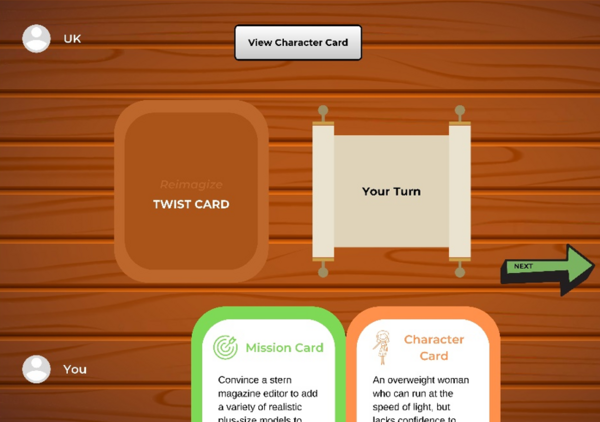
Reimagize, a role-playing with decision-making, was conjured, implementing social psychological concepts like counter-stereotyping and perspective-taking. As the game works implicitly to influence body image, it even counters image issues beyond personal body dissatisfaction. This study explored whether a digital role-playing card game, incorporating some of the most common prejudices of body image (like size prejudice, prejudices from the media, etc.) as identified by a digital survey/questionnaire completed by Indian girls aged 11-21, could counter these issues and reduce personal body dissatisfaction.

Read More...

Correlation of Prominent Intelligence Type & Coworker Relations

Rasmus et al. | Mar 29, 2022

Correlation of Prominent Intelligence Type & Coworker Relations

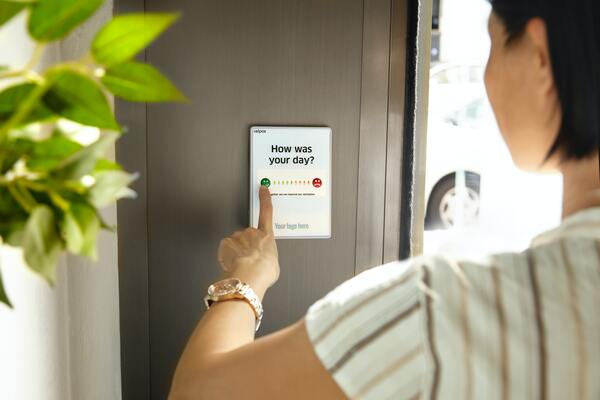
Ashley Moulton & Joseph Rasmus investigate 9 controversial categories of intelligence as predicted by Multiple Intelligence Theory, originally proposed in the mid-1980s. By collecting data from 56 participants, they record that there may not actually be a correlation between these categorical types when it comes to workplace atmosphere and project efficiency.

Read More...