Browse Articles

pH-dependent drug interactions with acid reducing agents

Lin et al. | Nov 12, 2024

pH-dependent drug interactions with acid reducing agents
Image credit: The authors

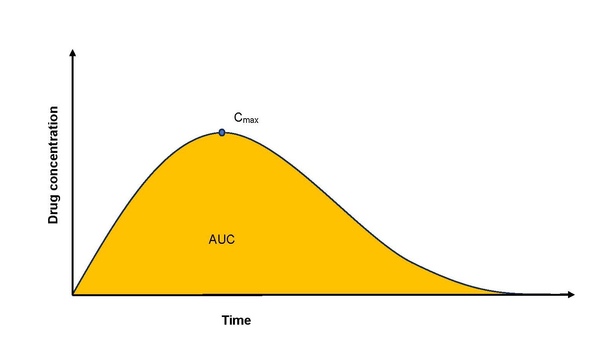
Some cancer treatments lose efficacy when combined with treatments for excessive stomach acid, due to the changes in the stomach environment caused by the stomach acid treatments. Lin and Lin investigate information on oral cancer drugs to see what information is available on interactions of these drugs.

Read More...

Firearm-purchase laws that limit the number of guns on the market reduce gun homicides in the South Side of Chicago

Krishnan et al. | Jan 24, 2022

Firearm-purchase laws that limit the number of guns on the market reduce gun homicides in the South Side of Chicago

Gun violence has been a serious issue in the South Side of Chicago for a long time. To intervene, regulators have passed legislation they hoped to curb -if not completely eradicate- the issue. However, there is little analysis done on how effective the various laws have been at reducing gun violence. Here the authors explore the association between firearm purchase laws passed between 1993-2018 and the incidence of gun homicide in Chicago's South Side. Their analysis suggests that some laws have been more effective than others, while some might have exacerbated the issue. However, they do not consider other contributing factors, which makes it difficult to prove causation without further investigation.

Read More...
Investigating the effects of glucose reintroduction on acutely starved HeLa cells

Puduru et al. | Jul 05, 2026

Investigating the effects of glucose reintroduction on acutely starved HeLa cells

Cancer cells rely heavily on glycolysis, but how they respond when glucose is reintroduced after acute starvation is not well understood. Using fluorescence lifetime imaging microscopy, students tracked metabolic changes in HeLa cells and found a rapid shift toward glycolysis within 20 minutes of glucose reintroduction, followed by heterogeneous recovery toward oxidative phosphorylation. These results highlight metabolic flexibility and variability in cancer cells, offering insights relevant to treatment resistance and therapeutic design.

Read More...