
Browse Articles

Similarity Graph-Based Semi-supervised Methods for Multiclass Data Classification

Balaji et al. | Sep 11, 2021

Similarity Graph-Based Semi-supervised Methods for Multiclass Data Classification

The purpose of the study was to determine whether graph-based machine learning techniques, which have increased prevalence in the last few years, can accurately classify data into one of many clusters, while requiring less labeled training data and parameter tuning as opposed to traditional machine learning algorithms. The results determined that the accuracy of graph-based and traditional classification algorithms depends directly upon the number of features of each dataset, the number of classes in each dataset, and the amount of labeled training data used.

Read More...
Comparative Gamma Radiation Analysis by Geographic Region

Zadan et al. | Jul 20, 2015

Comparative Gamma Radiation Analysis by Geographic Region

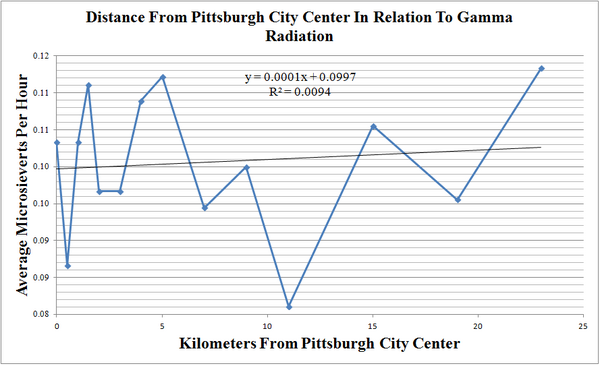
Gamma radiation can be produced by both natural and man-made sources and abnormally high exposure levels could lead to an increase in cell damage. In this study, gamma radiation was measured at different locations and any correlation with various geographic factors, such as distance from a city center, elevation and proximity to the nearest nuclear reactor, was determined.

Read More...

Increased survival of aquatic life through algal pretreatment of nitrate-contaminated runoff

Venkat et al. | Sep 12, 2026

Increased survival of aquatic life through algal pretreatment of nitrate-contaminated runoff
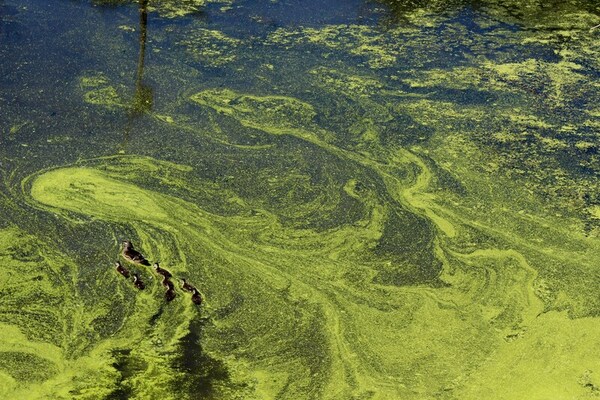
Image credit: Liz Harrell

Here the authors investigated the effectiveness of algal pretreatment in reducing nitrate toxicity and extending the survival of fish in contaminated river water. Their findings demonstrate that treating nitrate-polluted water with algae extended fish survival by up to 50%, suggesting that algae could serve as a valuable tool for mitigating the destructive impacts of agricultural and industrial runoff on aquatic ecosystems.

Read More...

Developing a Method to Remove Inorganic Arsenic from Rice with Natural Substances

Mukai et al. | Oct 27, 2020

Developing a Method to Remove Inorganic Arsenic from Rice with Natural Substances

In this study, the authors tested different approaches for removing arsenic from rice. Due to higher arsenic levels in water, some areas grow rice with higher levels as well. This is a health hazard and so developing methods to remove arsenic from the rice will be helpful to many. Using a rapid arsenic kit, the authors found that activated charcoal was the most effective at removing arsenic from rice.

Read More...