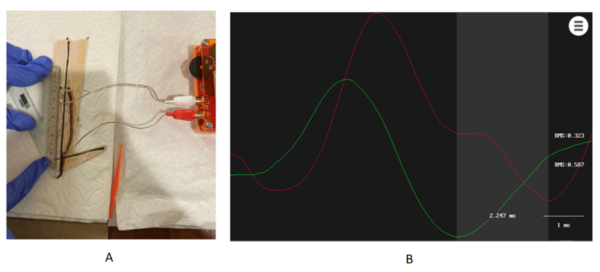
In this study, the authors investigate whether Eisenia Fetida nerve signal speed correlates with Withania somnifera ingestion, a possible way to protect against demyelination.
Read More...Effects of Withania Somnifera on Charcot-Marie-Tooth Disease Type 1A in the model organism Eisenia Fetida
In this study, the authors investigate whether Eisenia Fetida nerve signal speed correlates with Withania somnifera ingestion, a possible way to protect against demyelination.
Read More...The determinants and incentives of corporate greenhouse gas emission reduction

This study used hand-collected Greenhouse gas (GHG) emissions data from the Environmental Protection Agency (EPA) and aimed to understand the determinants and incentives of GHG emissions reduction. It explored how companies’ financials, Chief Executive Officer (CEO) compensation, and corporate governance affected GHG emissions. Results showed that companies reporting GHG emissions were wide-spread among the 48 industries represented by two-digit Standard Industrial Classification (SIC) codes.
Read More...The effects of early probiotic supplementation on the germination of Arabidopsis thaliana
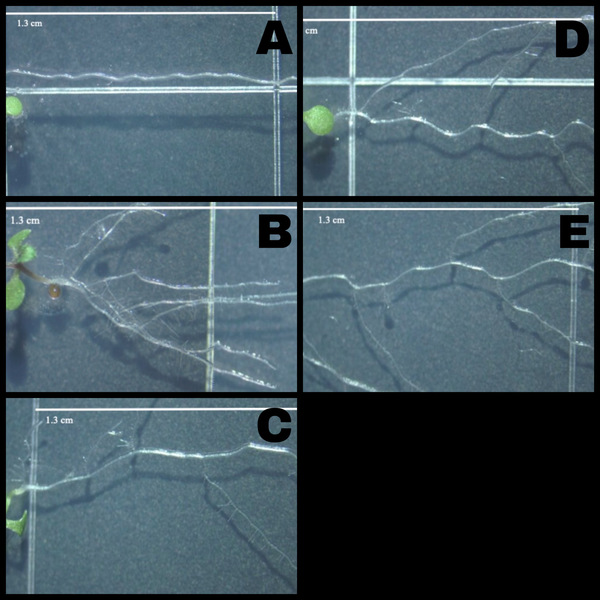
The use of fertilizers is associated with an increase in soil degradation, which is predicted to lead to a decrease in crop production within the next decade. Thus, it is critical to find solutions to support crop production to sustain the robust global population. In this study, the authors investigate how probiotic bacteria, like Rhizobium leguminosarum, Bacillus subtilis and Pseudomonas fluorescens, can impact the growth of Arabidopsis thaliana when applied to the seeds.They hypothesized that solutions with multiple bacterial species compared to those with only a single bacterial species would promote seed germination more effectively.
Read More...Using DNA Barcodes to Evaluate Ecosystem Health in the SWRCMS Reserve
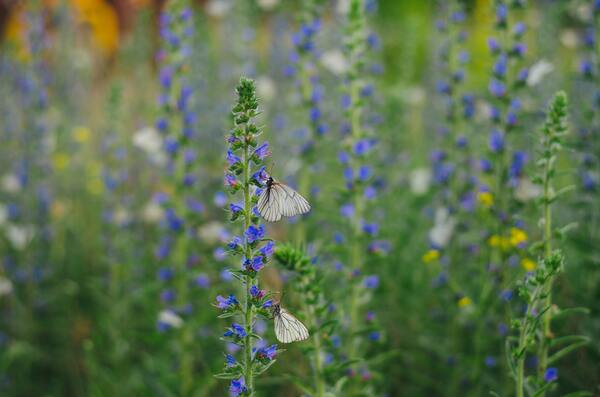
Although the United States maintains millions of square kilometers of nature reserves to protect the biodiversity of the specimens living there, little is known about how confining these species within designated protected lands influences the genetic variation required for a healthy population. In this study, the authors sequenced genetic barcodes of insects from a recently established nature reserve, the Southwestern Riverside County Multi-Species Reserve (SWRCMSR), and a non-protected area, the Mt. San Jacinto College (MSJC) Menifee campus, to compare the genetic variation between the two populations. Their results demonstrated that the midge fly population from the SWRCMSR had fewer unique DNA barcode sequence changes than the MSJC population, indicating that the comparatively younger nature reserve's population had likely not yet established its own unique genetic drift changes.
Read More...Friend or Foe: Investigating the Relationship between a Corn Crop and a Native Ragweed Population
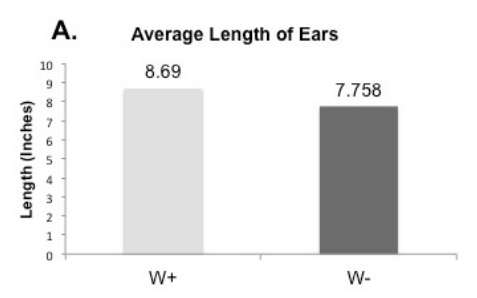
Farmers will need to increase crop yields to feed the world's growing population efficiently. The authors here investigate the effects of growing corn in the presence or absence of ragweed, an invasive weed found in many fields and gardens. Surprisingly, the authors found that corn grown in the presence of weeds grew taller and were more productive than corn that had weeds removed. This may help gardeners rethink the necessity of weeding, and may point a way to improve farm yields in the future.
Read More...Assessing the possibility of using entomopathogenic fungi for mosquito control in Hawaii
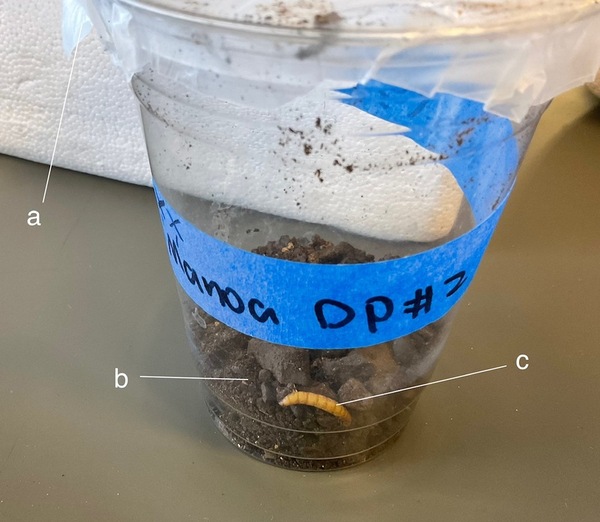
Fungi that attack and kill insects have promise for targeting mosquitoes without the harmful environmental impacts of chemicals like DDT. To find out whether fungi might be effective in controlling mosquitoes in Hawaii, Jiang and Chan test the effects of Hawaiian fungal isolates on mosquito larvae.
Read More...How are genetically modified foods discussed on TikTok? An analysis of #GMOFOODS

Here, the authors investigated engagement with #GMOFOODS, a hashtag on TikTok. They hypothesized that content focused on the negative effects of genetically modified organisms would receive more interaction driven by consumers. They found that the most common cateogry focused on the disadvantages of GMOs related to nutrition and health with the number of views determining if the video would be provided to users.
Read More...Analysis of Milorganite’s ability to sustain growth of Ocimum basilicum in simulated Martian soil
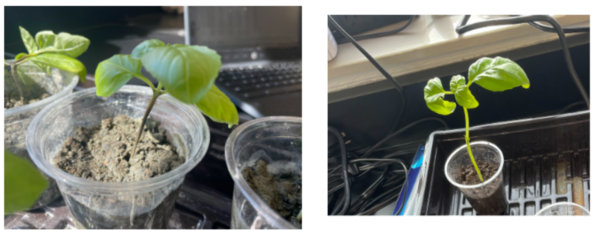
The authors test whether basil can grow in a simulated Martian soil improved with a waste-based fertilizer called Milorganite.
Read More...Copper nanoparticle synthesis using Picea glauca ‘Conica’
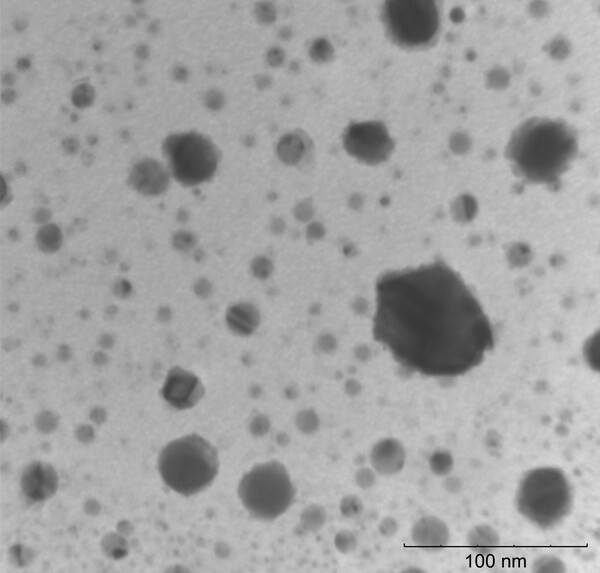
The authors propose a method to recycle Christmas tree needles into a non-toxic reducing agent for synthesizing copper nanoparticles.
Read More...Analysis of ultraviolet light as a bactericide of gram-negative bacteria in Cladophora macroalgae extracts
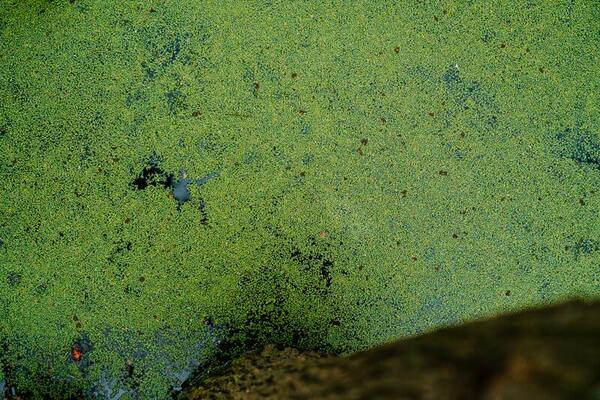
Here, the authors sought to use Cladophora macroalgae as a possible antibiotic to address the growing threat of antibiotic resistance in pathogenic bacteria. However, when they observed algae extracts to be greatly contaminated with gram-negative bacteria, they adapted to explore the ability to use ultraviolet light as a bactericide. They found that treatment with ultraviolet light had a significant effect.
Read More...