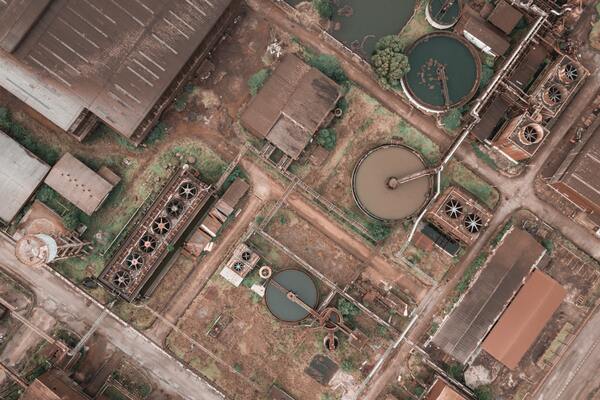
The authors analyzed biosolids from five Wisconsin wastewater treatment plants and suggest using KBr pellet FTIR as a simple and rapid method to start characterizing P species in biosolids.
Read More...Fourier-Transform Infrared (FTIR) spectroscopy analysis of seven wisconsin biosolids
The authors analyzed biosolids from five Wisconsin wastewater treatment plants and suggest using KBr pellet FTIR as a simple and rapid method to start characterizing P species in biosolids.
Read More...The Effects of Post-Consumer Waste Polystyrene on the Rate of Mealworm Consumption
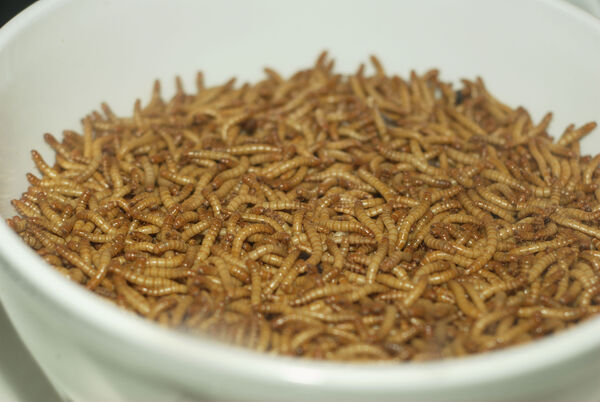
In a world where plastic waste accumulation is threatening both land and sea life, Green et al. investigate the ability of mealworms to breakdown polystyrene, a non-recyclable form of petrochemical-based polymer we use in our daily lives. They confirm that these organisms, can degrade various forms of polystyrene, even after it has been put to use in our daily lives. Although the efficiency of the degradation process still requires improvement, the good news is, the worms are tiny and themselves are biodegradable, so we can use plenty of them without worrying about space and how to get rid of them. This is very promising and certainly good news for the planet.
Read More...Trust in the use of artificial intelligence technology for treatment planning
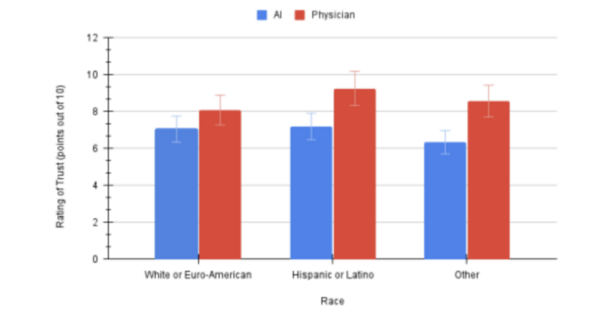
As AI becomes more integrated into healthcare, public trust in AI-developed treatment plans remains a concern, especially for emotionally charged health decisions. In a study of 81 community college students, AI-created treatment plans received lower trust ratings compared to physician-developed plans, supporting the hypothesis. The study found no significant differences in AI trust levels across demographic factors, suggesting overall skepticism toward AI-driven healthcare.
Read More...Effects of Various Environmental Factors on Stomatal Density, Area, and Potential Conductance Index

In this study, the authors investigate the combinatorial effects of CO2 plus other environmental factors including salinity, temperature, acidity, and drought on how effectively plants can transport water and carbon through their stomata.
Read More...Wind Resistance and Automobile Shapes

Energy efficiency is becoming more important as we struggle to find better, more sustainable energy sources to power our planet; the car industry is no exception. In this article, the authors examine the effect of shape on automobile aerodynamics By finding the shape that makes cars less resistant to wind, and therefore more energy efficient, can help the automobile industry make better, more eco-friendly cars that are also cheaper to operate.
Read More...An Analysis on Exoplanets and How They are Affected by Different Factors in Their Star Systems

In this article, the authors systematically study whether the type of a star is correlated with the number of planets it can support. Their study shows that medium-sized stars are likely to support more than one planet, just like the case in our solar system. They predict that, of the hundreds of planets beyond our solar system, 6% might be habitable. As humans work to travel further and further into space, some of those might truly be suited for human life.
Read More...Genetic Bioaugmentation of Oryza sativa to Facilitate Self-Detoxification of Arsenic In-Situ
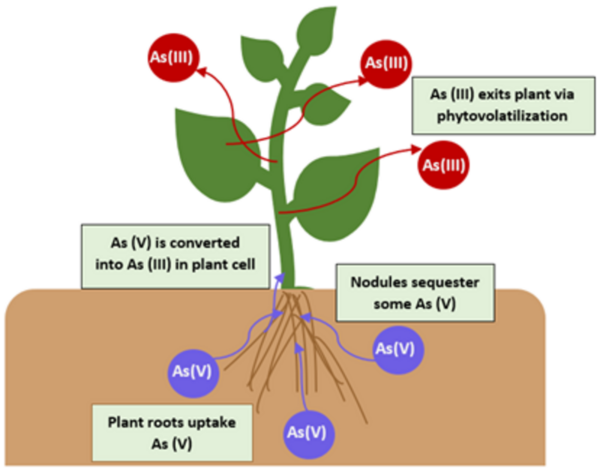
Arsenic contamination in rice, caused by the use of arsenic-laden groundwater for irrigation, is a growing global concern, affecting over 150 million people. To address this, researchers hypothesized that genetically modifying rice plants with arsenic-resistant genes could reduce arsenic uptake and allow the plants to detoxify arsenic, making them safer to consume.
Read More...Efficacy of natural coagulants in reducing water turbidity under future climate change scenarios

Here the authors investigated the effects of natural coagulants on reducing the turbidity of water samples from the Tennessee River Watershed. They found that turbidity reduction was higher at lower temperatures for eggshells. They then projected and mapped turbidity reactions under two climate change scenarios and three future time spans for eggshells. They found site-specific and time-vary turbidity reactions using natural coagulants could be useful for optimal water treatment plans.
Read More...Monitoring drought using explainable statistical machine learning models
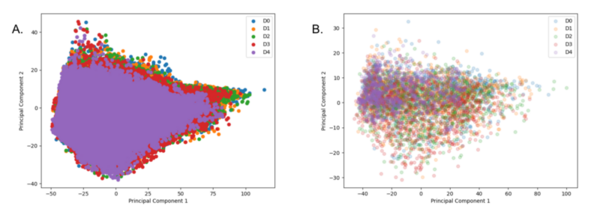
Droughts have a wide range of effects, from ecosystems failing and crops dying, to increased illness and decreased water quality. Drought prediction is important because it can help communities, businesses, and governments plan and prepare for these detrimental effects. This study predicts drought conditions by using predictable weather patterns in machine learning models.
Read More...Determining the Habitable Zone Around a Star
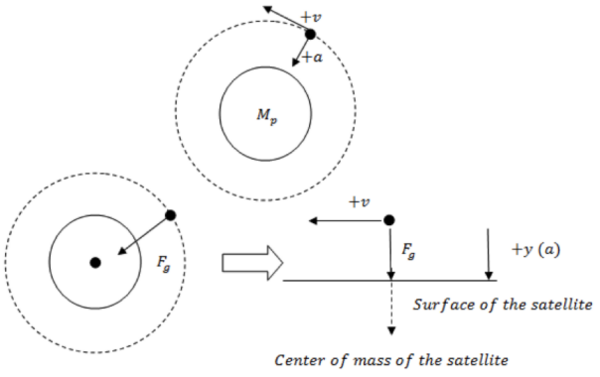
Life requires many things, including a hospitable temperature, elements, and energy. Here the authors utilize Newton's laws of physics and information relating a star's luminosity and temperature to determine the minimum and maximum masses and luminosities of planets and stars that would support life as we know it. This work can be used to determine the likelihood of a planet being able to support life based on attributes we can measure from here on Earth.
Read More...