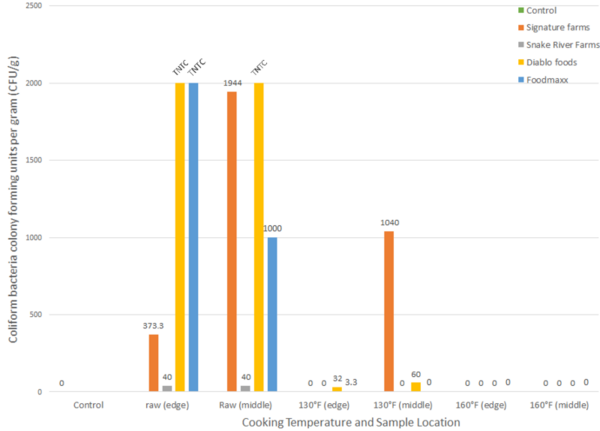
The authors looked at the presence of coliform bacteria present in ground beef after cooking it various CDC standards. They found that no coliform bacteria was present when CDC guidelines for cooking ground beef were properly followed.
Read More...Quantifying coliform bacteria in ground beef to evaluate food safety guidelines
The authors looked at the presence of coliform bacteria present in ground beef after cooking it various CDC standards. They found that no coliform bacteria was present when CDC guidelines for cooking ground beef were properly followed.
Read More...Do self-expression values affect global jazz popularity? An analysis of postmaterialism and political activity
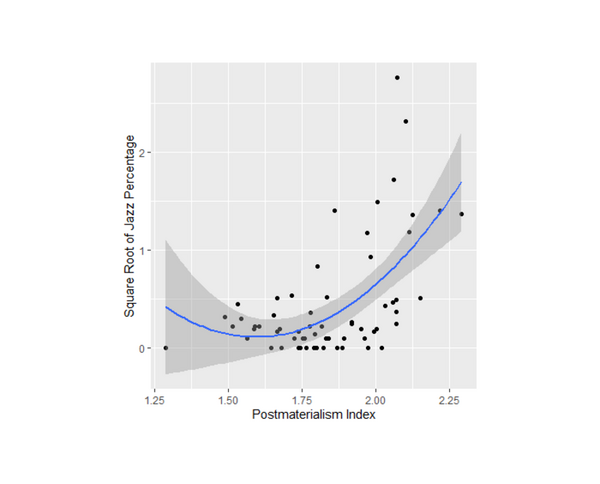
Jazz music is a unique American art form that has spread around the world. Iyer and Iyer study this spread through a computational sociology project examining how jazz popularity is correlated with postmaterialism (an ideology that values self-expression) and political activity.
Read More...Vineyard vigilance: Harnessing deep learning for grapevine disease detection
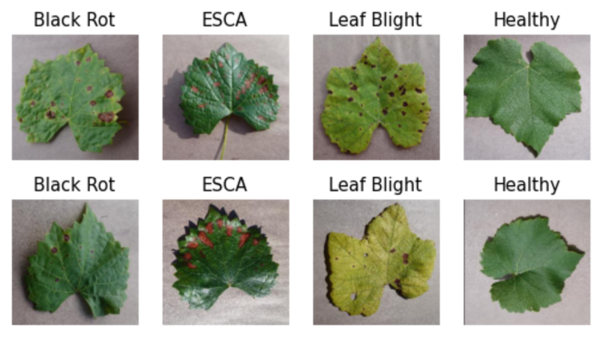
Globally, the cultivation of 77.8 million tons of grapes each year underscores their significance in both diets and agriculture. However, grapevines face mounting threats from diseases such as black rot, Esca, and leaf blight. Traditional detection methods often lag, leading to reduced yields and poor fruit quality. To address this, authors used machine learning, specifically deep learning with Convolutional Neural Networks (CNNs), to enhance disease detection.
Read More...The impact of greenhouse gases, regions, and sectors on future temperature anomaly with the FaIR model
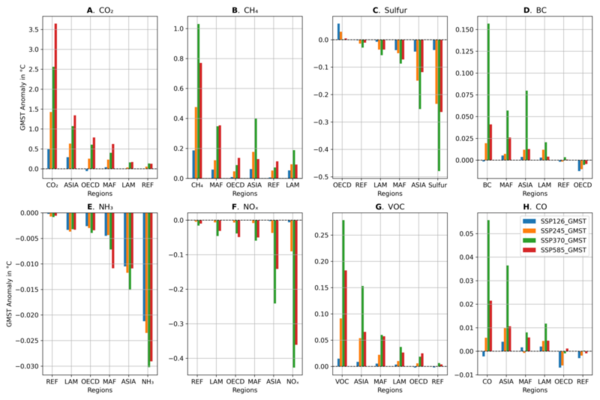
This study explores how different economic sectors, geographic regions, and greenhouse gas types might affect future global mean surface temperature (GMST) anomalies differently from historical patterns. Using the Finite Amplitude Impulse Response (FaIR) model and four Shared Socioeconomic Pathways (SSPs) — SSP126, SSP245, SSP370, and SSP585 — the research reveals that future contributions to GMST anomalies.
Read More...Effect of Gram-positive bacteria on antibiotic resistance in Gram-negative bacteria
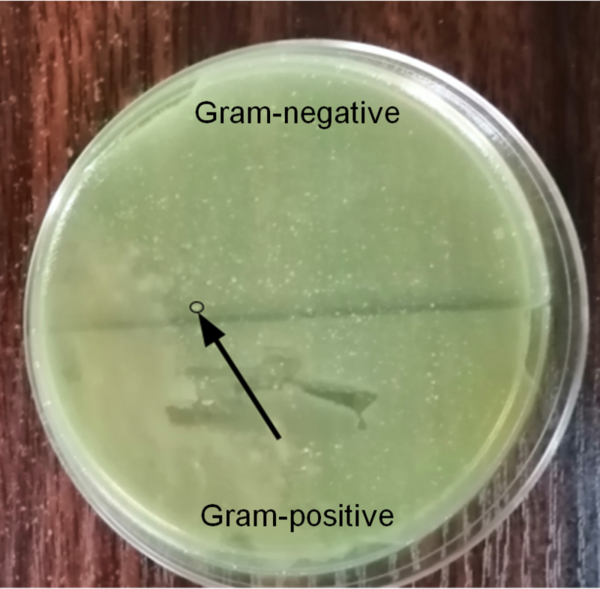
Antibiotics are one of the most common treatments for bacterial infections, but the emergence of antibiotic resistance is a major threat to the control of infectious diseases. Many factors contribute to the development of antibiotic resistance. One is bacterial conjugation from Gram-positive to Gram-negative bacteria where there is a transfer of resistance genes from Gram-positive to Gram-negative bacteria that could increase antibiotic resistance in the latter. In light of these observations, we decided to test whether Gram-negative bacteria that came into contact with Gram-positive bacteria had a higher resistance to the antimicrobial properties of spices than Gram-negative bacteria that did not come into contact with Gram-positive bacteria.
Read More...The effects of regeneration on memory in planarians
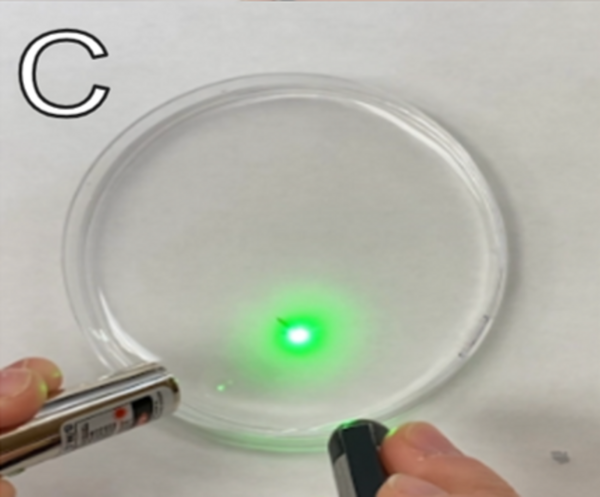
The authors test the ability of planarians to remember conditioned stimuli following regeneration.
Read More...Voltage, power, and energy production of a Shewanella oneidensis biofilm microbial fuel cell in microgravity
.PNG)
The authors looked at the ability of Shewanella oneidensis to generate energy in a microbial fuel cell under varying conditions. They found that the S. Onedensis biofilm was able to produce energy in microgravity and that one of the biggest factors that limited energy production was a decrease in growth medium present.
Read More...Surface cleanliness of hydrothermally grown zinc oxide microparticles compared to commercial nanoparticles
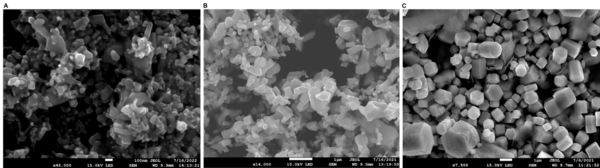
The authors test the usefulness of zinc oxide microparticles relative to zinc oxide nanoparticles as antibacterial agents.
Read More...Quantitative NMR spectroscopy reveals solvent effects in the photochemical degradation of thymoquinone
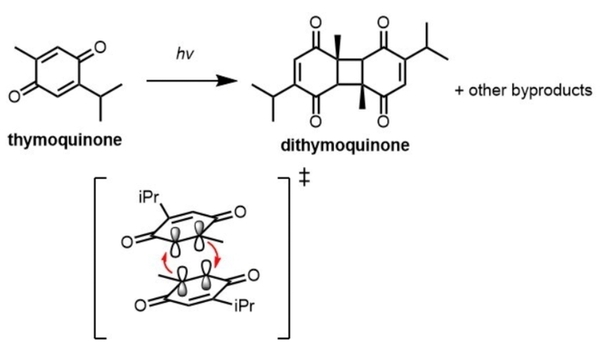
Thymoquinone is a compound of great therapeutic potential and scientific interest. However, its clinical administration and synthetic modifications are greatly limited by its instability in the presence of light. This study employed quantitative 1H nuclear magnetic resonance (NMR) spectroscopy to identify the effect of solvation on the degradation of thymoquinone under ultraviolet light (UV). It found that the rate of degradation is highly solvent dependent occurs maximally in chloroform.
Read More...A comparison of the water quality between Chinatown and Bayside: two demographically different regions
The authors looked at differences in water quality between Chinatown and Bayside. They wanted to look at the racial and economic demographics of each region and how that correlated to access to clean drinking water. Ultimately they did not find any significant differences in water quality, but identified important future directions for this work.
Read More...