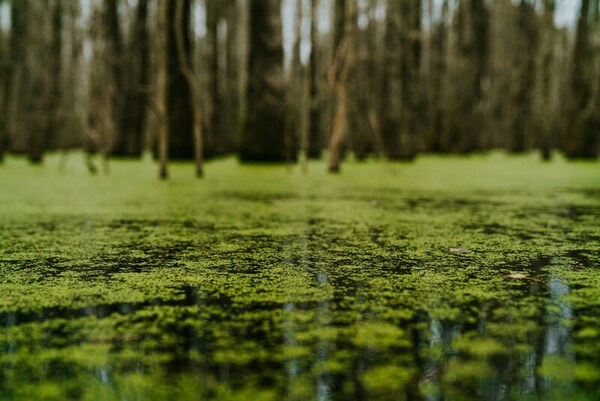
Using machine learning to predict the risk of algae bloom
Read More...Using two-step machine learning to predict harmful algal bloom risk
Using machine learning to predict the risk of algae bloom
Read More...Predictive modeling of cardiovascular disease using exercise-based electrocardiography
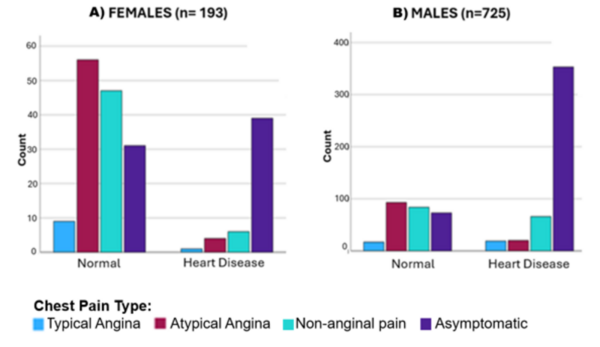
The authors looked factors that could lead to earlier diagnosis of cardiovascular disease thereby improving patient outcomes. They found that advances in imaging and electrocardiography contribute to earlier detection of cardiovascular disease.
Read More...An exploration of western mosquitofish as the animal component in an aquaponic farming system
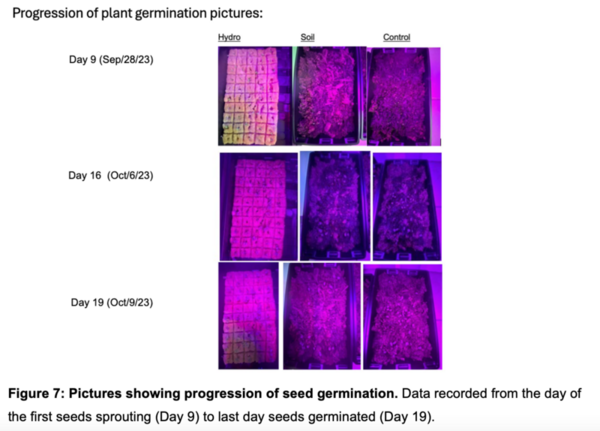
Aquaponics (the combination of aquatic plant farming with fish production) is an innovative farming practice, but the fish that are typically used, like tilapia, are expensive and space-consuming to cultivate. Medina and Alvarez explore other options test if mosquitofish are a viable option in the aquaponic cultivation of herbs and microgreens.
Read More...Stress and depression among individuals with low socioeconomic status during economic inflation
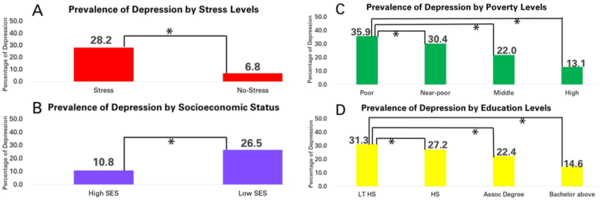
The authors use the Census Household Pulse Survey issued by the US Census Bureau to examine the prevalence of stress and depression among people across socioeconomic statuses.
Read More...A study of South Korean international school students: Impact of COVID-19 on anxiety and learning habits
.jpg)
In this study, the authors investigate the effects of the COVID-19 pandemic on South Korean international school students' anxiety, well being and their learning habits.
Read More...Using data science along with machine learning to determine the ARIMA model’s ability to adjust to irregularities in the dataset

Auto-Regressive Integrated Moving Average (ARIMA) models are known for their influence and application on time series data. This statistical analysis model uses time series data to depict future trends or values: a key contributor to crime mapping algorithms. However, the models may not function to their true potential when analyzing data with many different patterns. In order to determine the potential of ARIMA models, our research will test the model on irregularities in the data. Our team hypothesizes that the ARIMA model will be able to adapt to the different irregularities in the data that do not correspond to a certain trend or pattern. Using crime theft data and an ARIMA model, we determined the results of the ARIMA model’s forecast and how the accuracy differed on different days with irregularities in crime.
Read More...Time-Efficient and Low-Cost Neural Network to detect plant disease on leaves and reduce food loss and waste
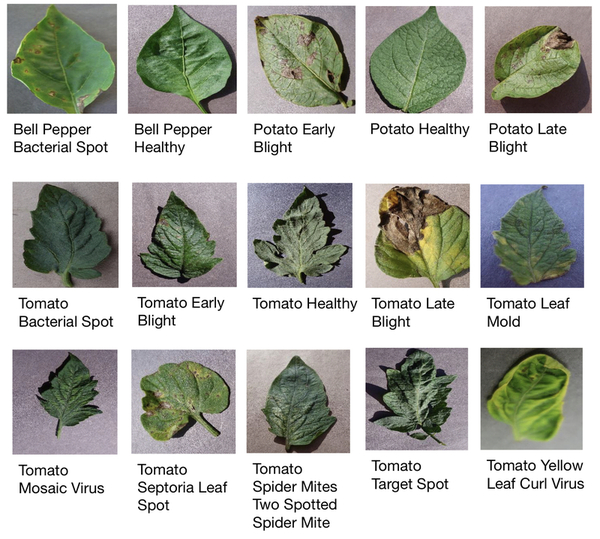
About 25% of the food grown never reaches consumers due to spoilage, and 11.5 billion pounds of produce from gardens are wasted every year. Current solutions involve farmers manually looking for and treating diseased crops. These methods of tending crops are neither time-efficient nor feasible. I used a convolutional neural network to identify signs of plant disease on leaves for garden owners and farmers.
Read More...SeniorConnect: A low-cost, app-based real-time alert system to connect seniors with their caregivers
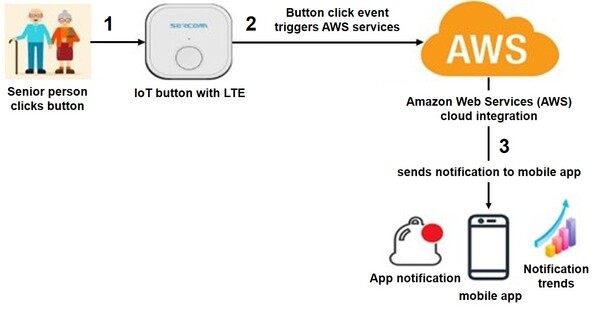
The authors design and test an easy-to-use and cost-effective mobile app-based alert system to help senior citizens rapidly communicate with caregivers in emergencies or when in need of assistance.
Read More...A novel bioreactor system to purify contaminated runoff water
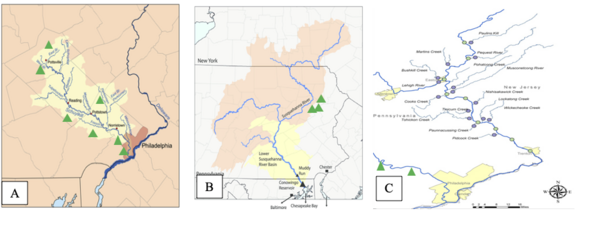
In this study, the authors engineer a cost-effective and bio-friendly water purification system using limestone, denitrifying bacteria, and sulfate-reducing bacteria. They evaluated its efficacy with samples from Eastern PA industrial sites.
Read More...Integrated Ocean Cleanup System for Sustainable and Healthy Aquatic Ecosystems
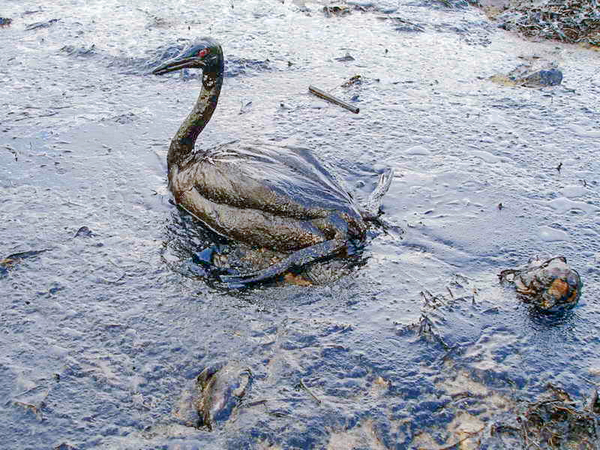
Oil spills are one of the most devastating events for marine life. Finding ways to clean up oil spills without the need for harsh chemicals could help decrease the negative impact of such spills. Here the authors demonstrate that using a combination of several biodegradable substances can effectively adsorb oil in seawater in a laboratory setting. They suggest further exploring the potential of such a combination as a possible alternative to commonly-used non-biodegradable substances in oil spill management.
Read More...