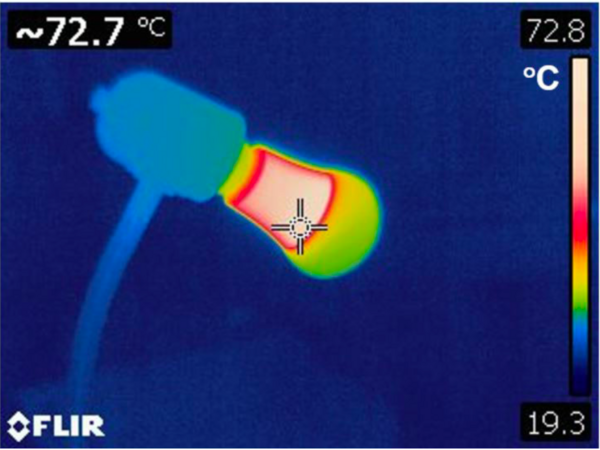
Here the author investigates how much heat energy is output and recovered from a conventional electric light bulb.
Read More...Examining Heat Recovery from Electric Light Bulbs Using Thermoelectric Generators
Here the author investigates how much heat energy is output and recovered from a conventional electric light bulb.
Read More...Development of Diet-Induced Insulin Resistance in Drosophila melanogaster and Characterization of the Anti-Diabetic Effects of Resveratrol and Pterostilbene
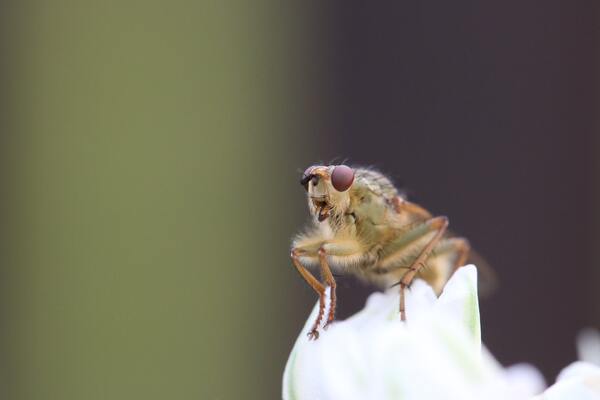
Dhar and colleagues established a Type II diabetes mellitus (T2DM) model in fruit flies, using this model to induce insulin resistance and characterize the effects Resveratrol and Pterostilbene on a number of growth and activity metrics. Resveratrol and Pterostilbene treatment notably overturned the weight gain and glucose levels. The results of this study suggest that Drosophila can be utilized as a model organism to study T2DM and novel pharmacological treatments.
Read More...Effect of Manuka Honey and Licorice Root Extract on the Growth of Porphyromonas gingivalis: An In Vitro Study

Chronic bad breath, or halitosis, is a problem faced by nearly 50% of the general poluation, but existing treatments such as liquid mouthwash or sugar-free gum are imperfect and temporary solutions. In this study, the authors investigate potential alternative treatments using natural ingredients such as Manuka Honey and Licorice root extract. They found that Manuka honey is almost as effective as commercial mouthwashes in reducing the growth of P gingivalis (one of the main bacteria that causes bad breath), while Licorice root extract was largely ineffective. The authors' results suggest that Manuka honey is a promising candidate in the search for new and improved halitosis treatments.
Read More...The Feasibility of Mixed Reality Gaming as a Tool for Physical Therapy Following a Spinal Cord Injury

Physical therapy, especially for patients with spinal cord injuries, can be a difficult and tedious experience. This can result in negative health outcomes, such as patients dropping out of physical therapy or developing additional health problems. In this study, the authors develop and test a potential solution to these challenges: a mixed reality game called Skyfarer that replaces a standard physical therapy regimen with an immersive experience that can be shared with their friends and family. The findings of this study suggest that mixed reality games such as Skyfarer could be effective alternatives to conventional physical therapy.
Read More...A Retrospective Study of the Relationship Between Hospital Regulatory Agency Variations and Opioid Mortality Rates, 1999-2014

Mortality from opioid abuse has risen dramatically in the United States over the last two decades and has become a national health crisis. Bernstein and Chisesi explore whether revised pain management standards for hospitals contributed to this epidemic.
Read More...Testing Various Synthetic and Natural Fiber Materials for Soundproofing
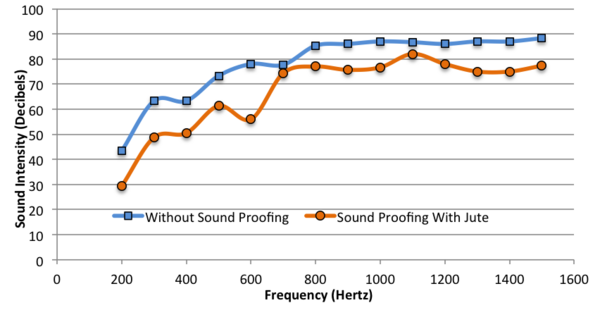
Noise pollution negatively impacts the health and behavioral routines of humans and other animals, but the production of synthetic sound-absorbing materials contributes to harmful gas emissions into the atmosphere. The authors of this paper investigated the effectiveness of environmentally-friendly, cheap natural-fiber materials, such as jute, as replacements for synthetic materials, such as gypsum and foam, in soundproofing.
Read More...Determining the Effect of Chemical and Physical Pretreatments on the Yield and Energy Output of Cellulosic Ethanol from Panicum Virgatum
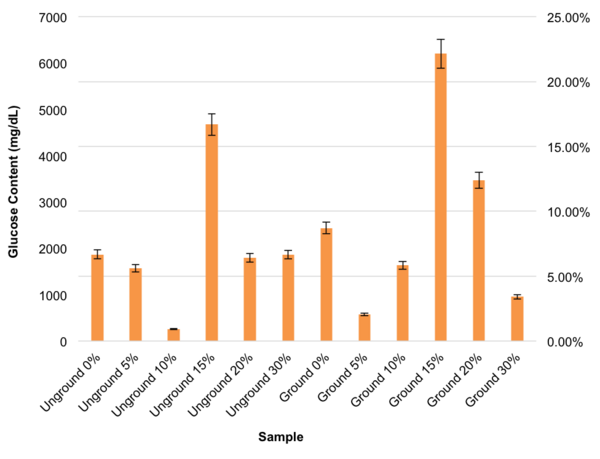
Fossil fuels are a limited resource; thus, it is important to explore new sources of energy. The authors examine the ability of switchgrass to produce ethanol and test the effects of pretreatment and grinding on ethanol yield.
Read More...The Impact of Antibiotic Exposure and Concentration on Resistance in Bacteria

Antibiotics are used to treat dangerous diseases. Over time, however, bacteria are becoming resistant to antibiotics - which poses a threat to humans and animals alike. In this paper, the authors examine how E. coli gains resistance to the antibiotic amoxicillin.
Read More...Molecular Alterations in a High-Fat Mouse Model Before the Onset of Diet–Induced Nonalcoholic Fatty Liver Disease
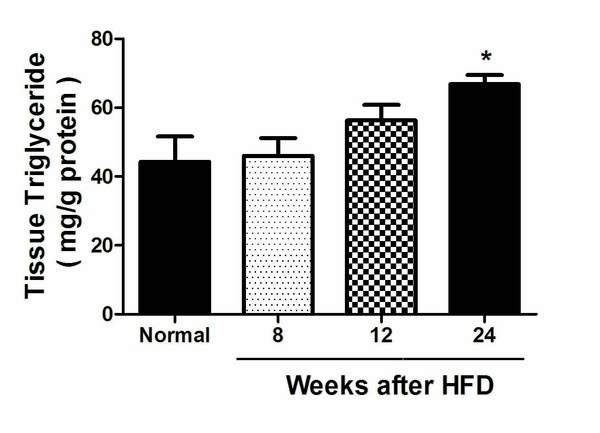
Nonalcoholic fatty liver disease (NAFLD) is one of the most prevalent chronic liver diseases worldwide, but there are few studied warning signs for early detection of the disease. Here, researchers study alterations that occur in a mouse model of NAFLD, which indicate the onset of NAFLD sooner. Earlier detection of diseases can lead to better prevention and treatment.
Read More...Peptidomimetics Targeting the Polo-box Domain of Polo-like Kinase 1
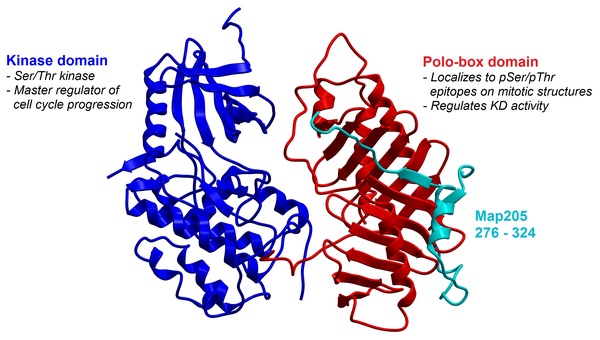
Polo-like kinase 1 (Plk1) is a master regulator of mitosis, initiating key steps of cell cycle regulation, and its overexpression is associated with certain types of cancer. In this study, the authors carefully designed peptides that were able to bind to Plk1 at a location that is important for its proper localization and function. Future studies could further develop these peptides to selectively target Plk1 in cancer cells and induce mitotic arrest.
Read More...