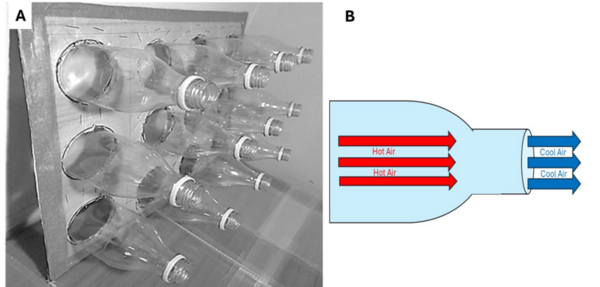
In the study, the authors looked at an environmentally friendly alternative to A/C systems/cooling. They wanted to test the effectiveness of this cooling system called the Eco-Cooler as well as see if they could improve it. They found that the Eco-Cooler had minimal cooling, while their altered Eco-Cooler system had some cooling. This results shows the use of water helps cool the environment a lot more.
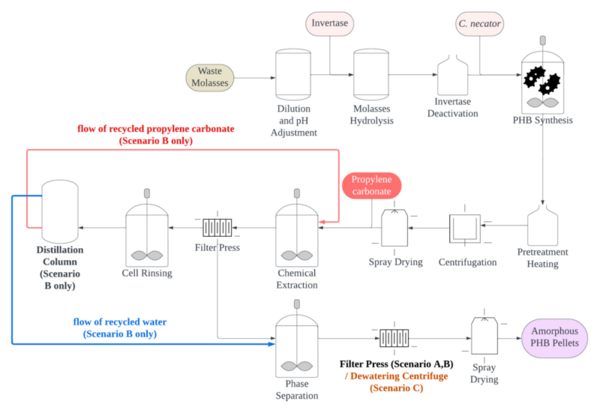
The authors looked at alternative production processes for PHB plastic in an effort to reduce environmental impact. They found that no alternative process was able to significantly decrease the environmental impact of PHB production, but that optimizing dewatering steps during production could lead to the largest improvement on environmental impact.
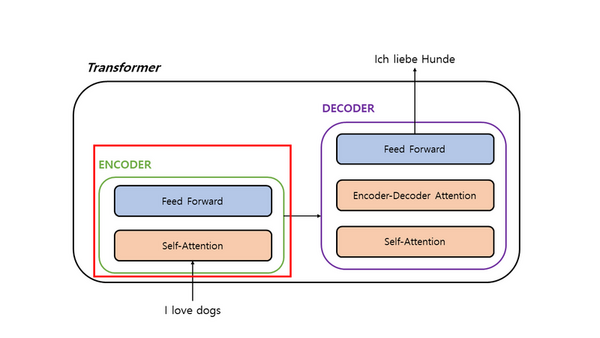
Zoos offer educational and scientific advantages but face high maintenance costs and challenges in animal care due to diverse species' habits. Challenges include tracking animals, detecting illnesses, and creating suitable habitats. We developed a deep learning framework called SmartZoo to address these issues and enable efficient animal monitoring, condition alerts, and data aggregation. We discovered that the data generated by our model is closer to real data than random data, and we were able to demonstrate that the model excels at generating data that resembles real-world data.
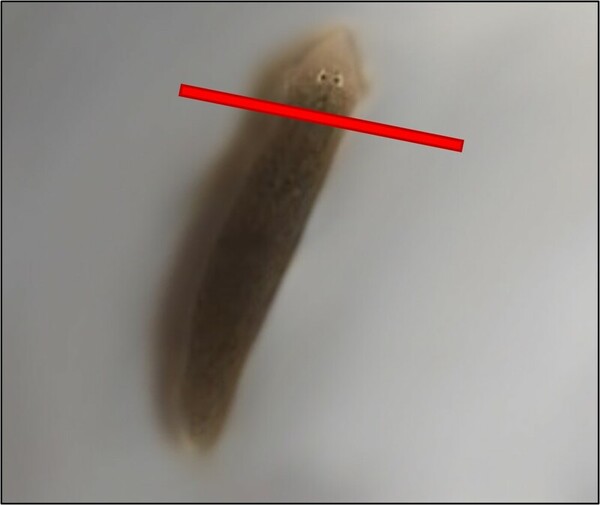
The consumption of sugar substitute non-nutritive sweeteners (NNS) has dramatically increased in recent years. Despite being advertised as a healthy alternative, NNS have been linked to adverse effects on the body, such as neurodegenerative diseases (NDs). In NDs, neural stem cell function is impaired, which inhibits neuron regeneration. The purpose of this study was to determine if the NNS acesulfame potassium (Ace-K) and neotame affect planaria neuron regeneration rates. Since human neurons may regenerate, planaria, organisms with extensive regenerative capabilities due to stem cells called neoblasts, were used as the model organism. The heads of planaria exposed to either a control or non-toxic concentrations of NNS were amputated. The posterior regions of the planaria were observed every 24 hours to see the following regeneration stages: (1) wound healing, (2) blastema development, (3) growth, and (4) differentiation. The authors hypothesized that exposure to the NNS would slow planaria regeneration rates. The time it took for the planaria in the Ace-K group and the neotame group to reach the second, third, and fourth regeneration stage was significantly greater than that of the control. The results of this study indicated that exposure to the NNS significantly slowed regeneration rates in planaria. This suggests that the NNS may adversely impact neoblast proliferation rates in planaria, implying that it could impair neural stem cell proliferation in humans, which plays a role in NDs. This study may provide insight into the connection between NNS, human neuron regeneration, and NDs.
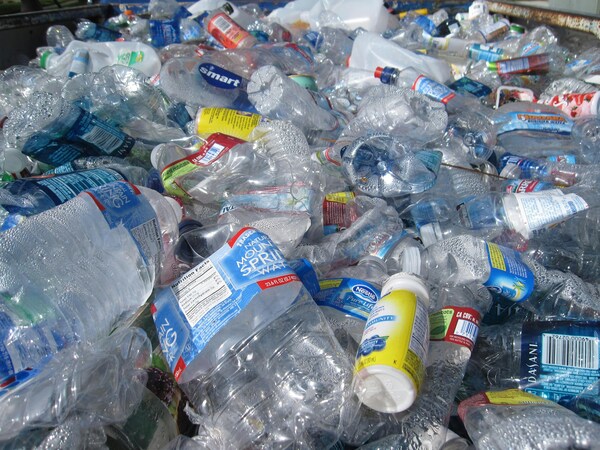
Here the authors explored the development of biodegradable bioplastic films derived from mango peels as a sustainable solution to plastic pollution and greenhouse gas emissions from fruit waste. They optimized the film's mechanical properties and water resistance through adjusting processing conditions and incorporating plasticizers and a hydrophobic coating, ultimately demonstrating its potential as a bacteriostatic and biodegradable alternative to conventional plastic food wrap.
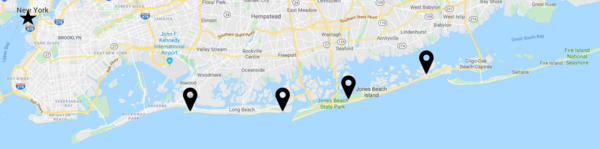
This study is focused on the distribution of microplastics in Long Island, NY. Microplastics are plastic particles that measure less than 5 mm in length and pose an environmental risk due to their size, composition, and ubiquitous location in the marine environment. Focusing on the South Shore of Long Island, the authors investigated the locations and concentrations of microplastics at four locations along the shore line. While they did not find significant differences in the number of microplastics per location, there were microplastics at all four locations. This finding is important to drive future research and environmental policy as well.
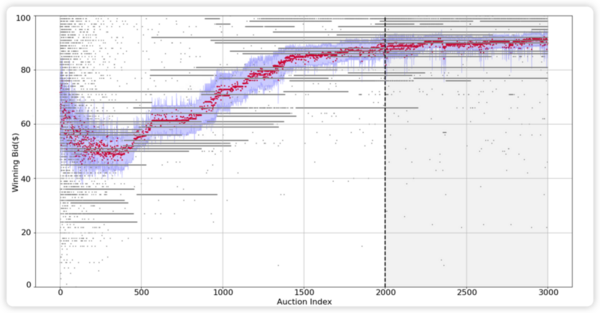
Advertising platforms like Google Ads use AI to drive the algorithms used to maximize advertisers benefits. This study shows that AI does not adjust it strategy based on auction type and highlights the limitations of AI running without explicit guidance.
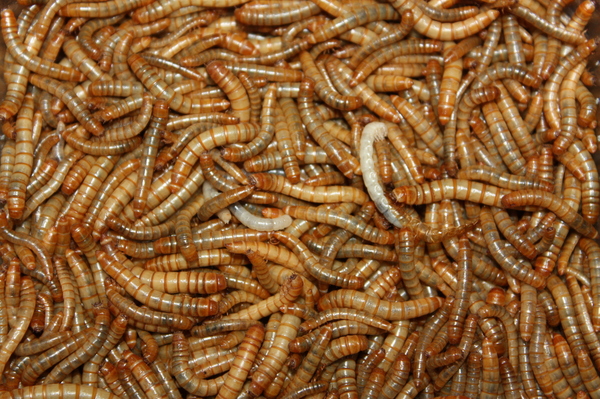
Expanded polystyrene (EPS) is a plastic used to make food containers and packing materials that poses a threat to the environment. Mealworms can degrade EPS, but at a slow rate. Here, researchers assessed the impact of food waste compost and oats on the speed of EPS consumption by mealworms, superworms, and waxworms. A positive correlation was found between food waste compost supplementation and EPS consumption, especially by mealworms, indicating a potential industrial application.
The goal of this study was to further confirm, characterize, and classify LHS 3844 b, an exoplanet detected by the Transiting Exoplanet Survey Satellite (TESS). Additionally, we strove to determine the likeliness of LHS 3844 b and similar planets as qualified candidates for observation with the James Webb Space Telescope (JWST).