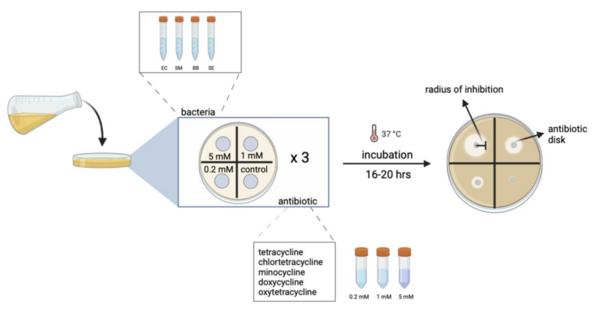
The authors looked at four members of the tetracycline antibiotic family/class against four different species of bacteria.
Read More...Strain selective in vitro and in silico structure activity relationship of tetracycline antibiotics
The authors looked at four members of the tetracycline antibiotic family/class against four different species of bacteria.
Read More...Analysis of ultraviolet light as a bactericide of gram-negative bacteria in Cladophora macroalgae extracts
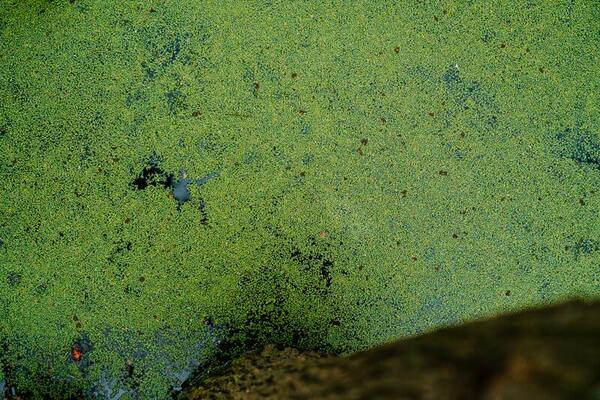
Here, the authors sought to use Cladophora macroalgae as a possible antibiotic to address the growing threat of antibiotic resistance in pathogenic bacteria. However, when they observed algae extracts to be greatly contaminated with gram-negative bacteria, they adapted to explore the ability to use ultraviolet light as a bactericide. They found that treatment with ultraviolet light had a significant effect.
Read More...The analysis of the antimicrobial benefits of Populus balsamifera
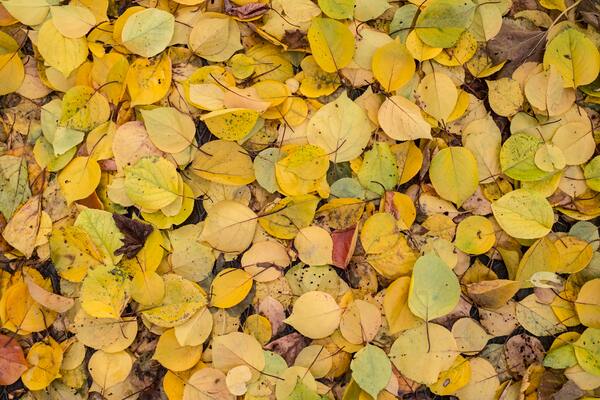
In this study, the authors investigated the antimicrobial properties of the tree species, Populus balsamifera. It was observed that the extract of the buds of P. balsamifera was highly effective against gram-positive bacteria. This helps to indicate the potential use of P. balsamifera in the medical field to eliminate gram-positive bacteria.
Read More...Star anise and oregano essential oil: A comparative evaluation of antibacterial effect
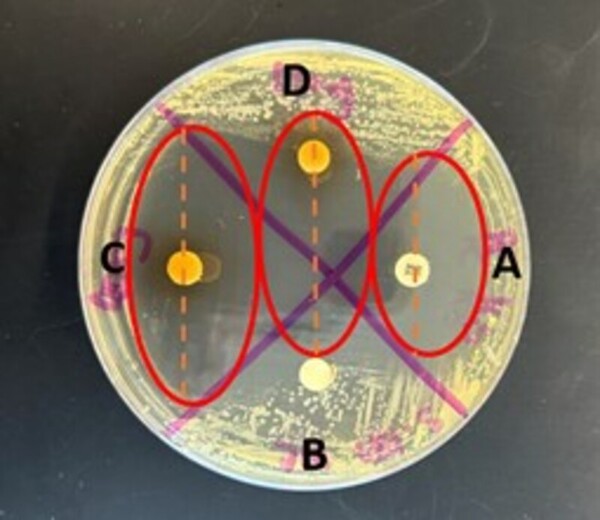
The authors looked at the antibacterial effects of oregano and star anise essential oils against E. coli or S. epidermis. They found that oregano oil showed antibacterial activity against both E. coli or S. epidermis, and that star anise oil had a larger zone of inhibition in E. coli than tetracycline, a conventional antibiotic.
Read More...Investigating toxicity and antimicrobial properties of silver nanoparticles in Escherichia coli and Drosophila melanogaster
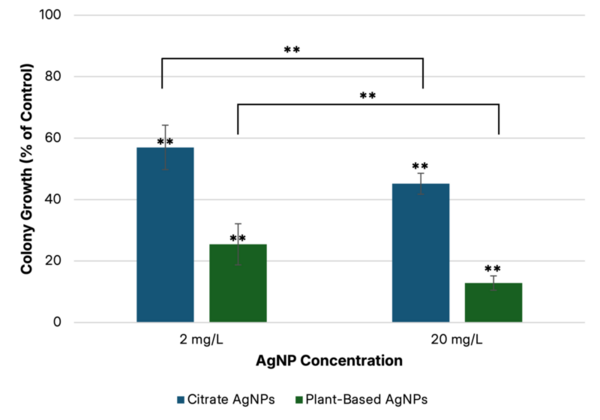
This paper looks at the antibacterial and toxic effects of silver nanoparticles (AgNPs) on Escherichia coli bacteria and Drosophila melanogaster fruit flies. They modified the AgNPs size, concentration, and surface coating to determine the effects on each of the organisms. For both organisms, increased AgNP concentration demonstrated increased toxicity but particle size and surface coating had opposing effects.
Read More...Developing novel plant waste-based hydrogels for skin regeneration and infection detection in diabetic wounds
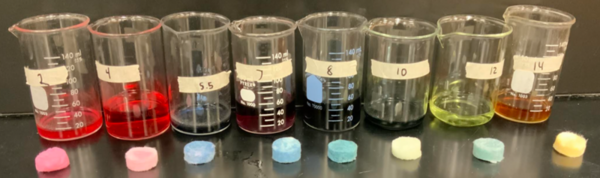
The purpose of this investigation is to develop a hydrogel to aid skin regeneration by creating an extracellular matrix for fibroblast growth with antibacterial and infection-detection properties. Authors developed two natural hydrogels based on pectin and potato peels and characterized the gels for fibroblast compatibility through rheology, scanning electron microscopy, swelling, degradation, and cell cytotoxicity assays. Overall, this experiment fabricated various hydrogels capable of acting as skin substitutes and counteracting infections to facilitate wound healing. Following further testing and validation, these hydrogels could help alleviate the 13-billion-dollar financial burden of foot ulcer treatment.
Read More...Computational Structure-Activity Relationship (SAR) of Berberine Analogs in Double-Stranded and G-Quadruplex DNA Binding Reveals Both Position and Target Dependence
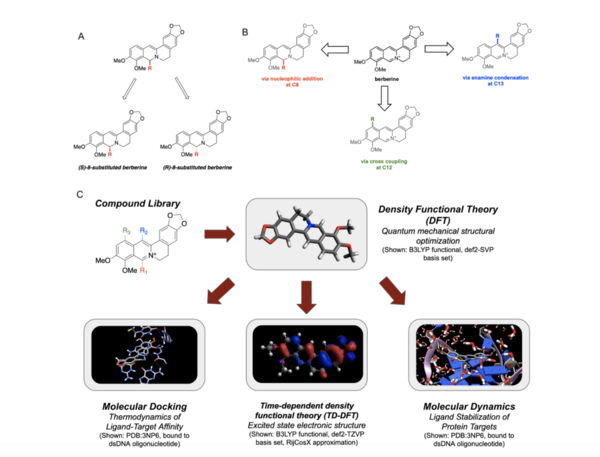
Berberine, a natural product alkaloid, and its analogs have a wide range of medicinal properties, including antibacterial and anticancer effects. Here, the authors explored a library of alkyl or aryl berberine analogs to probe binding to double-stranded and G-quadruplex DNA. They determined that the nature of the substituent, the position of the substituent, and the nucleic acid target affect the free energy of binding of berberine analogs to DNA and G-quadruplex DNA, however berberine analogs did not result in net stabilization of G-quadruplex DNA.
Read More...Cocktail therapy to inhibit multispecies biofilm in cystic fibrosis patients
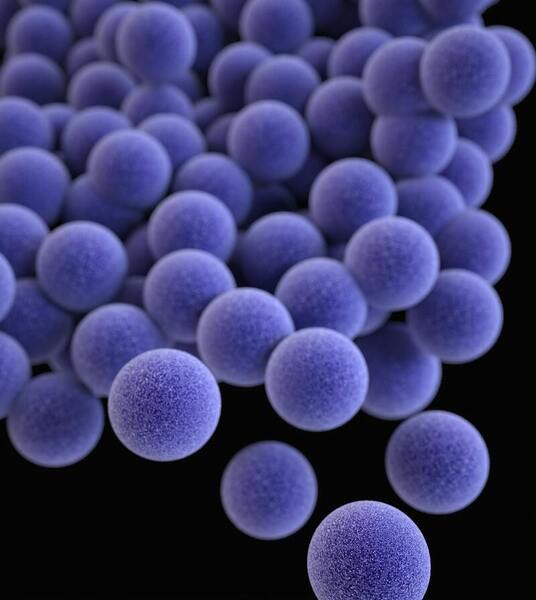
Here, recognizing the important role of bacterial biofilms in many life-threatening chronic infections, the authors investigated the effectiveness of a combination treatment on biofilms composed of up to three different common species within the lungs of cystic fibrosis patients with computational analysis. They found that a triple cocktail therapy targeting three different signaling pathways has significant potential as both a treatment and prophylaxis.
Read More...Evaluating the antimicrobial activity of maitake mushroom extract against Staphylococcus epidermidis
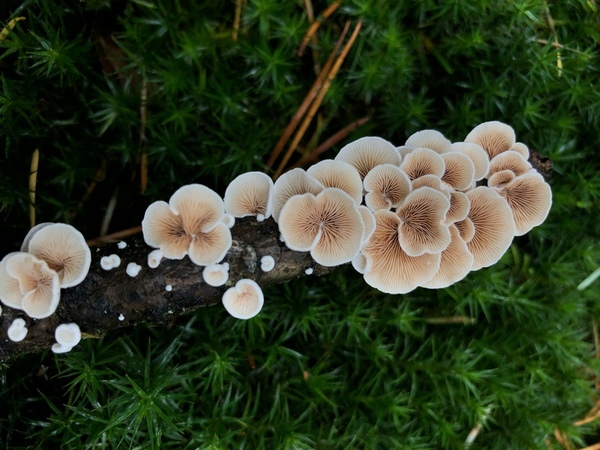
Here, seeking to explore new antimicrobial therapies, the authors investigated the antimicrobial activity of Maitake mushroom extract against Staphylococcus epidermidis, a common cause of antibiotic resistant hospital-acquired infections. They found that Maitake extract showed potent antimicrobial activity, with higher concentrations showing inhibition comparable to tetracycline.
Read More...Antibacterial activity of homemade Indian tomato tamarind soup (rasam) against common pathogens
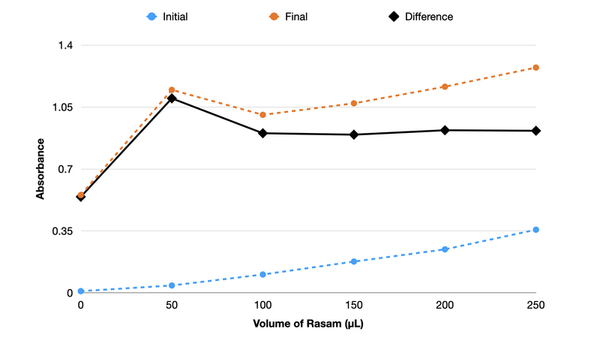
Systematic consumption of traditional foods is a popular way of treating diseases in India. Rasam, a soup of spices and tomato with a tamarind base, is a home remedy for viral infections such as the common cold. Here, we investigate if rasam, prepared under household conditions, exhibits antibacterial activity against Escherichia coli and Staphylococcus aureus, two common pathogenic bacteria. Our results show rasam prepared under household conditions lacks antibacterial activity despite its ingredients possessing such properties.
Read More...