Browse Articles

Correlates of Sugar Consumption Among High School Students and Faculty

McBurnett et al. | Mar 07, 2019

Correlates of Sugar Consumption Among High School Students and Faculty

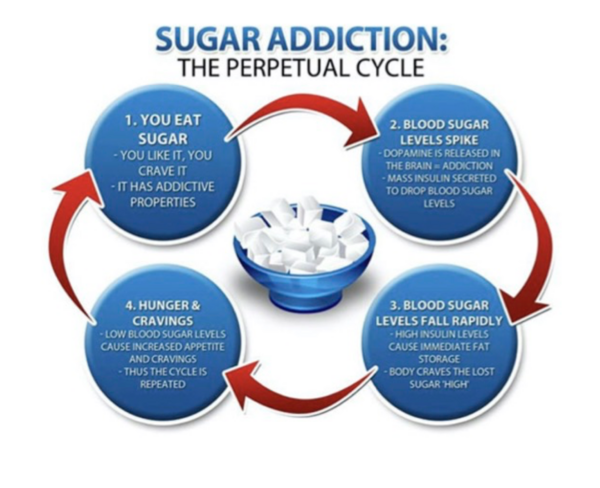
The availability, portion sizes, and consumption of highly palatable food has been linked adverse health outcomes. McBurnett and O’Donnell sought to assess the relationship between reward-based eating drive, consumption, cravings, and knowledge of the effects of sugary foods. In this study population, reward-based eating drive was related to both consumption and cravings. Further, for females, the knowledge of sugar’s effects was significantly and inversely associated with its consumption.

Read More...
Country-level relationship of OTC medicine consumption and frequency of GP consultation

Hirai et al. | Dec 09, 2024

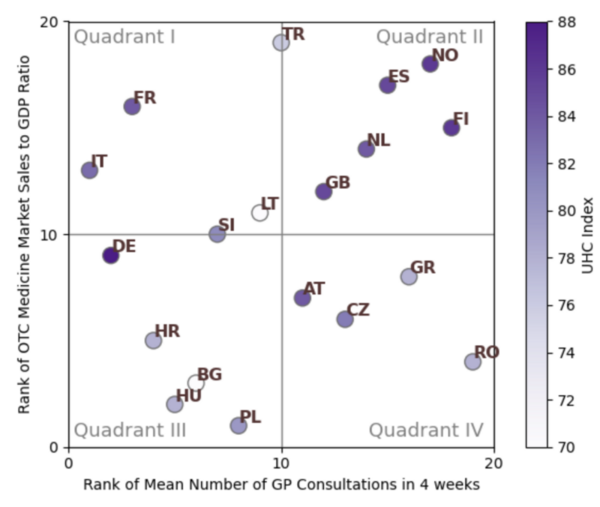
Country-level relationship of OTC medicine consumption and frequency of GP consultation

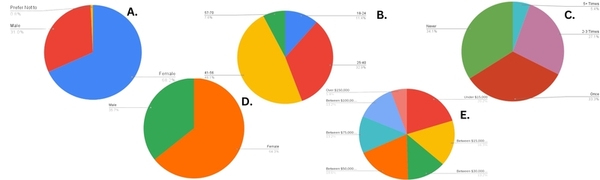
The discussion surrounding self-medication with non-prescription medicines has gained significance in healthcare and public health, particularly given the global increase in consumption of non-prescription drugs. This study aimed to examine the association between the frequency of general practitioner (GP) consultations and the proportion of economic resources spent on OTC medicine.

Read More...

Mitigating microplastic exposure from water consumption in junior high students and teachers

Chow et al. | May 10, 2024

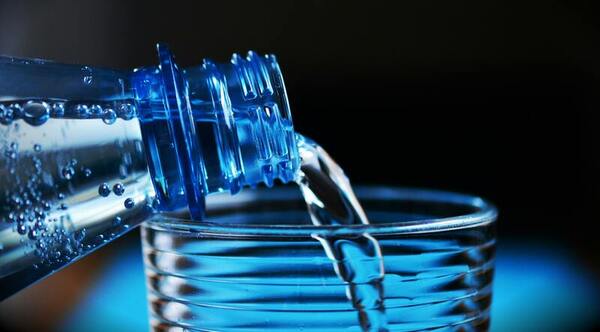
Mitigating microplastic exposure from water consumption in junior high students and teachers
Image credit: Pixabay

Microplastics (MPs) are inorganic material that have been observed within items destined for human consumption, including water, and may pose a potential health hazard. Here we estimated the average amount of MPs junior high students and teachers consumed from different water sources and determined whether promoting awareness of microplastic (MP) exposure influenced choice of water source and potential MPs consumed.

Read More...

Automated dynamic lighting control system to reduce energy consumption in daylight

Jagannathan et al. | Jun 17, 2024

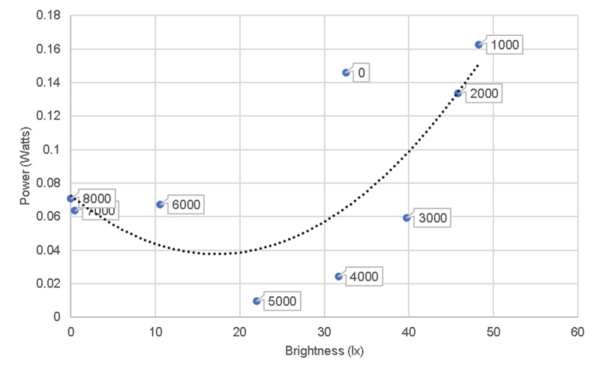
Automated dynamic lighting control system to reduce energy consumption in daylight
Image credit: Jagannathan and Mehrotra 2024

Buildings, which are responsible for the majority of electricity consumption in cities like Dubai, are often exclusively reliant on electrical lighting even in the presence of daylight to meet the illumination requirements of the building. This inefficient use of lighting creates potential to further optimize the energy efficiency of buildings by complementing natural light with electrical lighting. Prior research has mostly used ballasts (variable resistors) to regulate the brightness of bulbs. There has been limited research pertaining to the use of pulse width modulation (PWM) and the use of ‘triodes for alternating current’ (TRIACs). PWM and TRIACs rapidly stop and restart the flow of current to the bulb thus saving energy whilst maintaining a constant illumination level of a space. We conducted experiments to investigate the feasibility of using TRIACs and PWM in regulating the brightness of bulbs. We also established the relationship between power and brightness within the experimental setups. Our results indicate that lighting systems can be regulated through these alternate methods and that there is potential to save up to 16% of energy used without affecting the overall lighting of a given space. Since most energy used in buildings is still produced through fossil fuels, energy savings from lighting systems could contribute towards a lower carbon footprint. Our study provides an innovative solution to conserve light energy in buildings during daytime.

Read More...

The effects of different modes of vocalization and food consumption on the level of droplet transmission of bacteria

Wong et al. | May 10, 2021

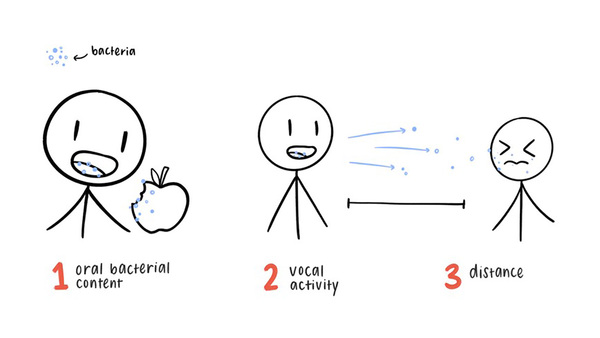
The effects of different modes of vocalization and food consumption on the level of droplet transmission of bacteria

Microbial agents reposnsible for respiratory infections are often carried in spittle, which means they can be easily transmitted. Here, the authors investigate how likely certain activities are to spread microbes carried in spittle. They also investigate whether eating certain types of food might reduce the spread of spittle-borne bacteria too.

Read More...

Two Wrongs Could Make a Right: Food Waste Compost Accelerated Polystyrene Consumption of Tenebrio molitor

Fu et al. | Jul 13, 2020

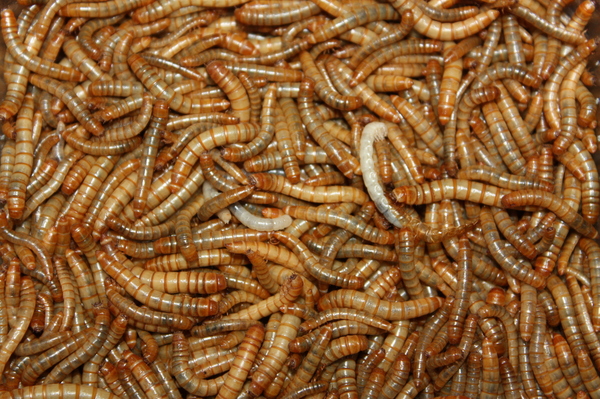
Two Wrongs Could Make a Right: Food Waste Compost Accelerated Polystyrene Consumption of <em>Tenebrio molitor</em>

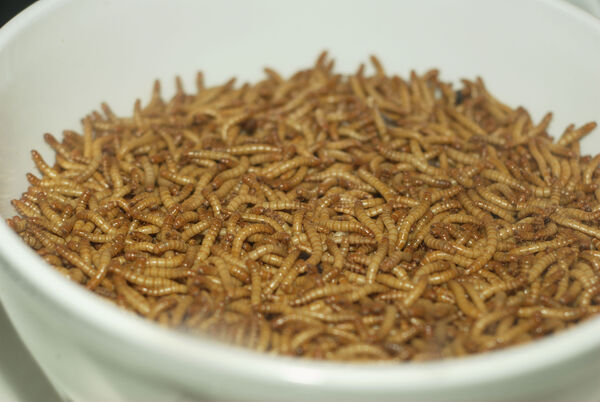
Expanded polystyrene (EPS) is a plastic used to make food containers and packing materials that poses a threat to the environment. Mealworms can degrade EPS, but at a slow rate. Here, researchers assessed the impact of food waste compost and oats on the speed of EPS consumption by mealworms, superworms, and waxworms. A positive correlation was found between food waste compost supplementation and EPS consumption, especially by mealworms, indicating a potential industrial application.

Read More...

Behavioral Longevity: The Impact of Smoking, Alcohol Consumption, and Obesity on Life Expectancy

Han et al. | Oct 03, 2019

Behavioral Longevity: The Impact of Smoking, Alcohol Consumption, and Obesity on Life Expectancy

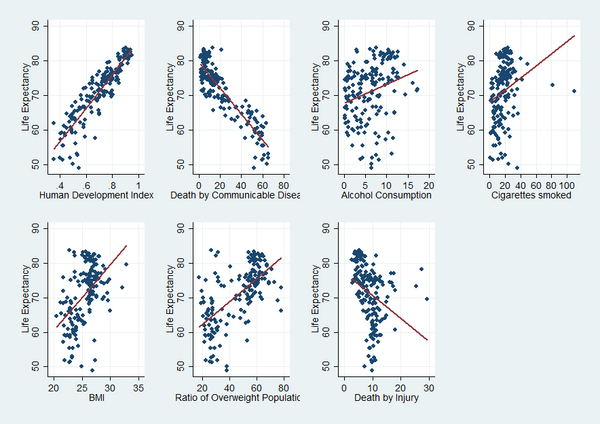
In this article, the authors look into what is already known about the factor affecting longevity and determine the importance of behavioral factors including alcohol consumption, smoking, and obesity on longevity. The authors quantify data from over 150 countries and, interestingly, find that the impact each factor has on longevity is at least in part dependent on the country's economic development status. Overall, they conclude that an average person’s life expectancy can increase by more than 3 years if smoking and alcohol consumption is reduced by a half and weight is decreased by 10%.

Read More...

The Effects of Post-Consumer Waste Polystyrene on the Rate of Mealworm Consumption

Green et al. | Nov 29, 2018

The Effects of Post-Consumer Waste Polystyrene on the Rate of Mealworm Consumption

In a world where plastic waste accumulation is threatening both land and sea life, Green et al. investigate the ability of mealworms to breakdown polystyrene, a non-recyclable form of petrochemical-based polymer we use in our daily lives. They confirm that these organisms, can degrade various forms of polystyrene, even after it has been put to use in our daily lives. Although the efficiency of the degradation process still requires improvement, the good news is, the worms are tiny and themselves are biodegradable, so we can use plenty of them without worrying about space and how to get rid of them. This is very promising and certainly good news for the planet.

Read More...