Browse Articles

The effects of COVID-19 pandemic social isolation on the mental and physical health of the general population

Cinque et al. | Oct 15, 2022

The effects of COVID-19 pandemic social isolation on the mental and physical health of the general population

Here, seeking to better understand on the effects of social isolation during the COVID-19 pandemic, the authors used a survey during April and May of 2020 of participants primarily in Long Island, NY to assess the physical and mental health of the general population. They found negative impacts to physical health and increases in depressive symptoms and feelings of loneliness across all groups. More significant increases in negative mental health symptoms were observed in younger age groups and amongst women.

Read More...
Developing a Portable, Reusable, and Inexpensive Magnesium-Air Fuel Cell

Tota et al. | Mar 28, 2019

Developing a Portable, Reusable, and Inexpensive Magnesium-Air Fuel Cell

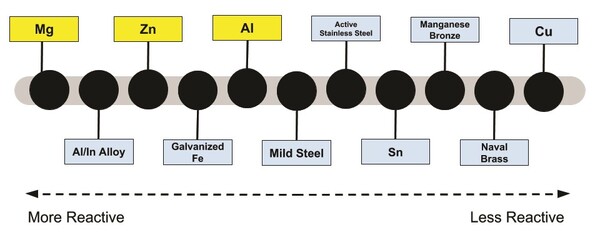
One of the greatest challenges we face today is the sustainable production, storage, and distribution of electrical power. One emerging technology with great promise in this area is that of metal-air fuel cells—a long-term and reusable electricity storage system made from a reactive metal anode and a saline solution. In this study the authors tested several different types of metal to determine which was the most suitable for this application. They found that a fuel cell with a magnesium anode was superior to fuel cells made from aluminum or zinc, producing a voltage and current sufficient for real-world applications such as charging a mobile phone.

Read More...

The extent to which storefront alcohol advertising differs by community profile in Michigan

Voyt et al. | May 17, 2023

The extent to which storefront alcohol advertising differs by community profile in Michigan
Image credit: Steve Harvey

Here, recognizing that alcohol manufacturers may target ethnic minorities and youths with specific forms of advertisements based on previous studies, the authors considered how alcohol storefronts differ depending on the community they are located in. Specifically, they looked at differences between Metro-Dtroit suburban communities of high- and low-incomes. They found that alcohol stores in the low-income areas had more and larger alcohol and malt liquor advertisements per store along with being within 1,000 feet of a school.

Read More...