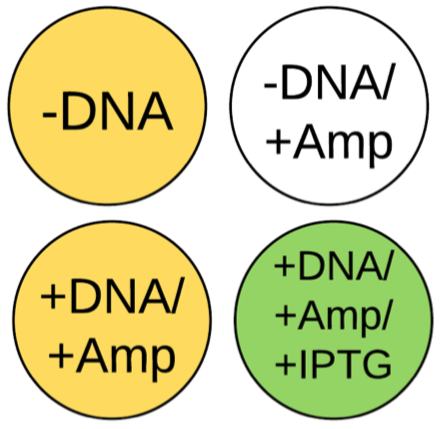
PVC is a widely used plastic that poses harmful health hazards when burned. In this study, the authors ask whether or not burned PVC (PVC char) affects bacterial transformation.
Read More...An Aqueous Solution Containing Soluble Substances From PVC Char Has No Effect on the Rate of Transformation in E. coli Cells
PVC is a widely used plastic that poses harmful health hazards when burned. In this study, the authors ask whether or not burned PVC (PVC char) affects bacterial transformation.
Read More...Assessing the possibility of using entomopathogenic fungi for mosquito control in Hawaii
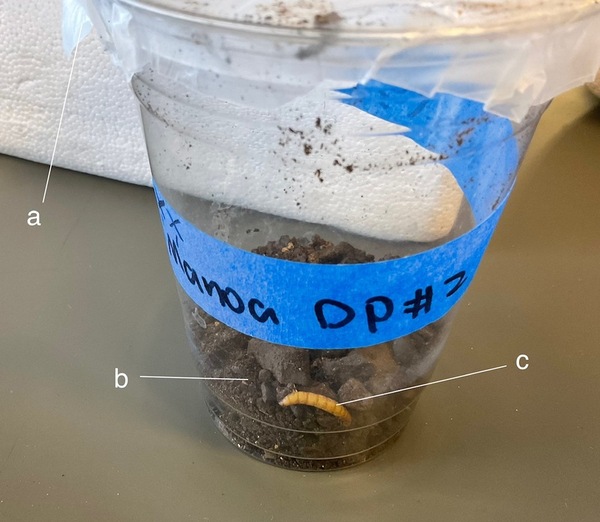
Fungi that attack and kill insects have promise for targeting mosquitoes without the harmful environmental impacts of chemicals like DDT. To find out whether fungi might be effective in controlling mosquitoes in Hawaii, Jiang and Chan test the effects of Hawaiian fungal isolates on mosquito larvae.
Read More...Effect of Fertilizer on Water Quality of Creeks over Time
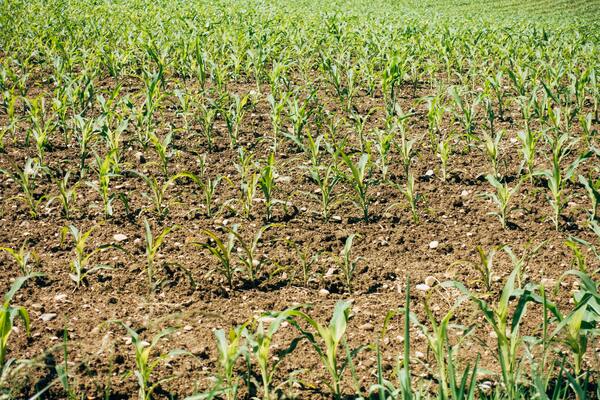
Fertilizers are commonly used to improve agricultural yield. Unfortunately, chemical fertilizers can seep into drinking water, potentially harming humans and other forms of life. Here, the authors investigate the effect of fertilizer on the water quality of Saratoga Creek over time. They find that fertilizers can alter the acidity of the creek's water, which can be harmful to aquatic species, as well as increase the levels of nitrates temporarily.
Read More...Slowing the Mold Growth on Stored Corn: The Effects of Vinegar, Baker’s Yeast, and Yogurt on Corn Weight Loss
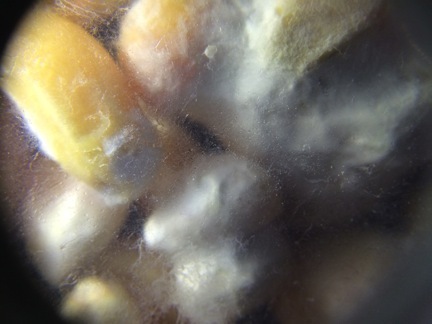
Chemical preservatives are often used to reduce grain spoilage due to mold, but can have harmful heath and environmental effects. In this study, the authors tested three low toxic compounds for their effects on mold growth on corn kernels and found that all three were successful at slowing growth.
Read More...The effect of chondroitin sulfate on the development of plants grown in roadside soil
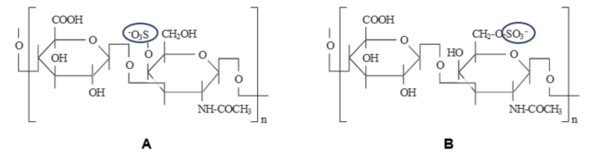
Heavy metal contamination from transportation can damage soil and vegetation by increasing oxidative stress, disrupting enzymes, and impairing photosynthesis. This study investigated whether chondroitin sulfate (CS) could reduce the harmful effects of contaminated roadside soil on plant growth by binding with metal ions.
Read More...The effect of nicotine and lead on neuron morphology, function, and ɑ-Synuclein levels in a C. elegans model
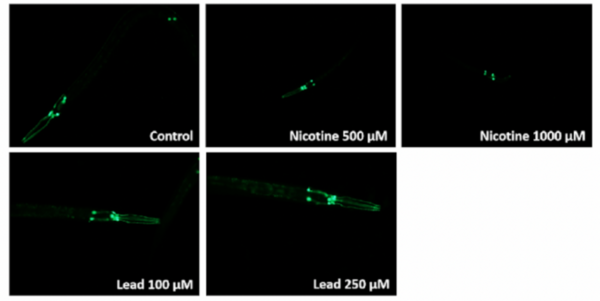
E-cigarettes are often considered a healthier alternative to traditional cigarettes. This team of high school authors investigated the impact of common e-cigarette compounds on C. elegans, and found a number of harmful effects ultimately resulting in injury and neuronal damage.
Read More...Friend or foe: Using DNA barcoding to identify arthropods found at home
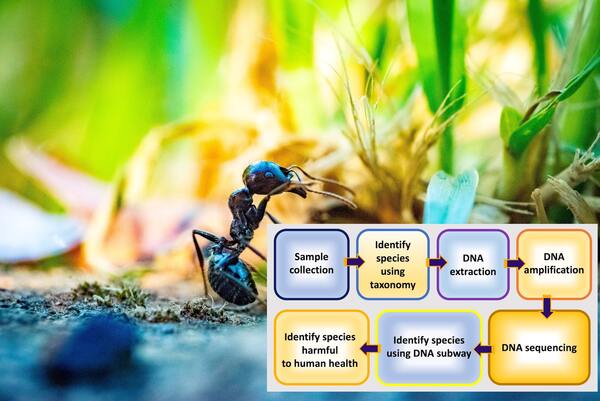
Here the authors used morphological characters and DNA barcoding to identify arthropods found within a residential house. With this method they identified their species and compared them against pests lists provided by the US government. They found that none of their identified species were considered to be pests providing evidence against the misconception that arthropods found at home are harmful to humans. They suggest that these methods could be used at larger scales to better understand and aid in mapping ecosystems.
Read More...How planarians are affected by mouthwash and cough syrup
Since cough syrup and mouthwash are commonly used items and often end up flushed down the drain or toilet, they can eventually find their way into into freshwater waterways which can be harmful to many marine organisms, such as planarians (aquatic flatworms). To investigate the effects of these substances on planarians, the authors considered different concentrations of Listerine mouthwash and Robitussin syrup along with their active ingredients. By using a behavioral assay, they identified that the active ingredients of cough syrup detrimentally affect planarian behavior. They suggest that these findings could be used to guide disposal methods to lessen detrimental effects on aquatic life.
Read More...Phytochemical Analysis of Amaranthus spinosus Linn.: An in vitro Analysis
.png)
Mainstream cancer treatments, which include radiotherapy and chemotherapeutic drugs, are known to induce oxidative damage to healthy somatic cells due to the liberation of harmful free radicals. In order to avert this, physiological antioxidants must be complemented with external antioxidants. Here the authors performed a preliminary phytochemical screen to identify alkaloids, saponins, flavonoids, polyphenols, and tannins in all parts of the Amaranthus spinosus Linn. plant. This paper describes the preparation of this crude extract and assesses its antioxidant properties for potential use in complementary cancer treatment.
Read More...Monitoring Local Soil Toxicity by Daphnia magna Viability
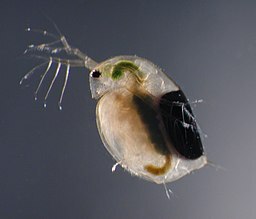
In this study a student uses Daphnia magna, or water fleas, to assay the purity of local soil samples. Daphnia magna are a helpful organism to detect potentially harmful levels of toxins in water.
Read More...