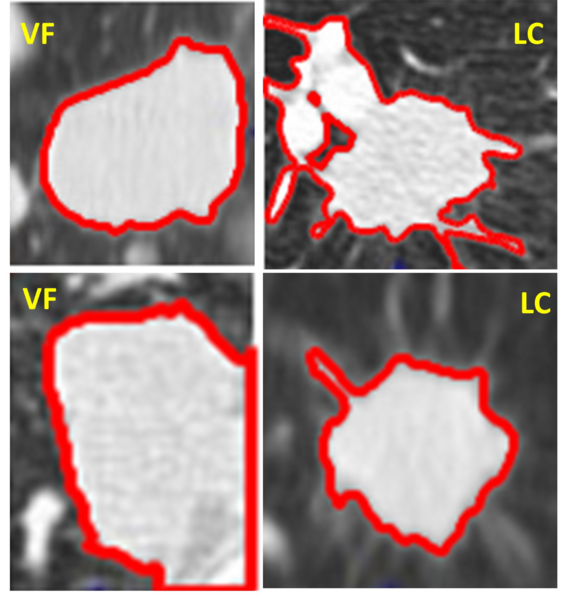
Pulmonary diseases like lung cancer and valley fever pose serious health challenges, making accurate and rapid diagnostics essential. This study developed a MATLAB-based software tool that uses computer vision techniques to differentiate between these diseases by analyzing features of lung nodules in CT scans, achieving higher precision than traditional methods.
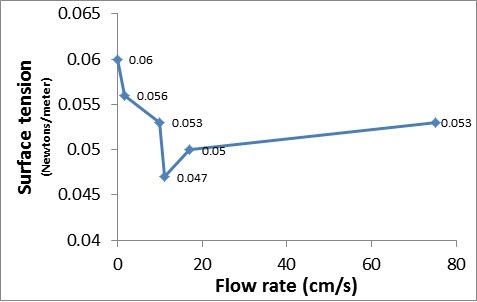
Surface tension and viscosity are both measures of how "sticky" a liquid is, but are they related? The authors here investigate the surface tension and viscosity of mixtures of water with different concentrations of agar agar, flour, or detergent. Surprisingly, they find that the least viscous mixtures had the strongest surface tensions, indicating that the two properties are not linked.
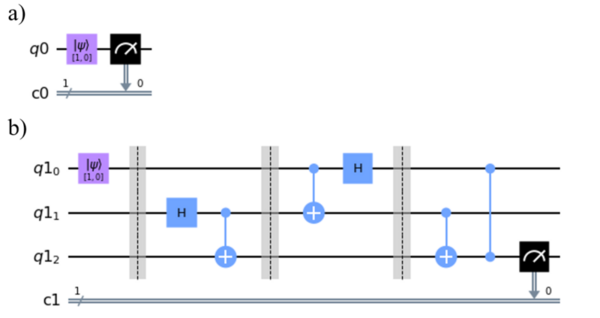
In quantum computing, noise disrupts experimental results, particularly affecting the quantum teleportation algorithm used to transfer qubit states. This study explores how noise impacts this algorithm across different platforms—a perfect simulation, a noisy simulation, and real hardware.
Here, seeking to better understand the control algorithms used in autonomous vehicles, the authors compared the Stanley and pure pursuit control algorithms along with a new version of each. Unexpectedly, they found that no control algorithm offered optimal performance, but rather resulted in tradeoffs between the various ideal results.
Here the authors investigated how climate change-induced ocean acidification may impact harmful micro algae such as diatoms that produce large amounts of oxygen in the atmosphere and serve as important food sources for other marine organisms. They evaluated diatom growth rates at current seawater pH levels (8.1) alongside reduced pH levels (7.5 and 6.8). The findings indicate that while diatoms maintain steady growth under moderate acidification (pH 7.5), severe acidification down to pH 6.8 significantly limits their ability to adapt and thrive.
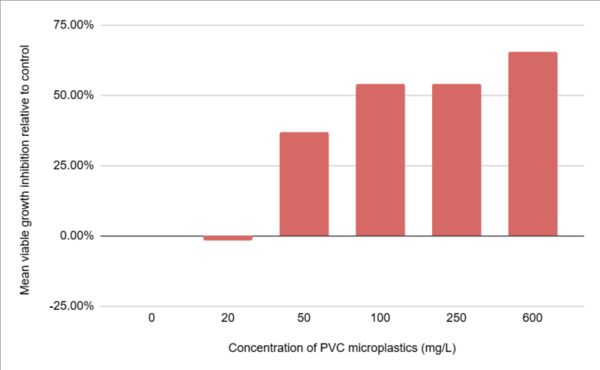
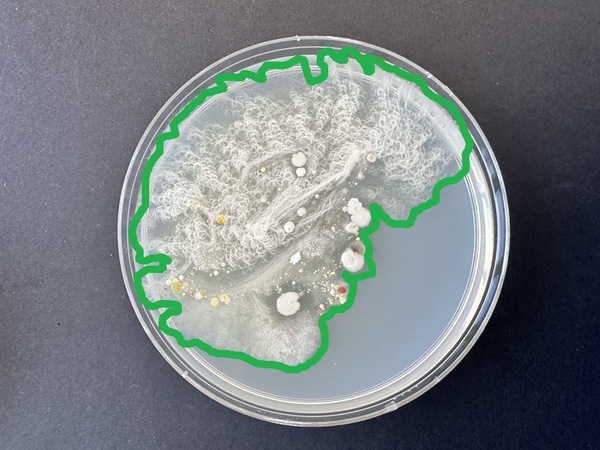
This study examined the effect of varying PVC microplastic concentrations on the growth of Chlorella vulgaris in freshwater, utilizing six PVC levels and identical culture conditions. Cell counts revealed that higher PVC concentrations consistently reduced algal growth, and a Spearman correlation test detected a significant negative monotonic association between PVC concentration and viable cell density. These results support the hypothesis that PVC microplastics impair algal growth, underscoring their ecological risk in freshwater environments.
Image credit: Daehan Yi, Boughaleb Hassani and Ribeiro
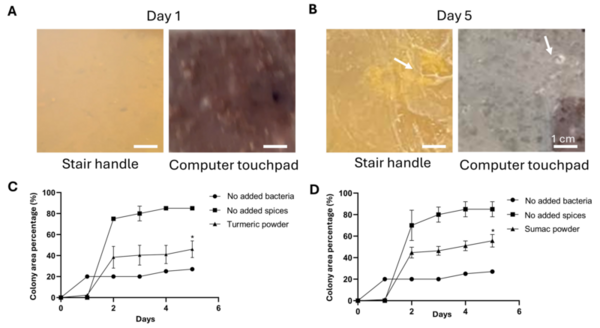
The study investigates the antibacterial properties of household spices on bacteria isolated from everyday objects, aiming to address the limited understanding of bacterial resilience on surfaces and the potential of spices as antibacterial agents. Researchers hypothesized that bacteria would grow faster on some surfaces than others and that spices like honey, chili powder, turmeric, and sumac would inhibit bacterial growth at varying rates. The findings suggest that household spices possess significant antibacterial properties and could be used as emergency disinfectants, particularly in under-resourced settings. However, they cannot replace medical treatments but offer insights into alternative health solutions using common ingredients.
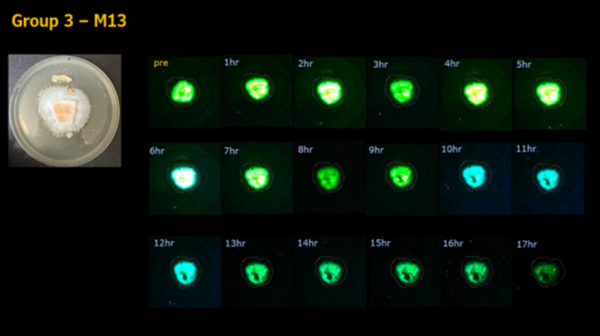
Here the authors investigate the potential of the bioluminescent fungus Panellus stipticus to serve as a sustainable bioindicator for environmental lead contamination. Their findings demonstrate that higher lead concentrations cause a measurable decrease in fungal bioluminescence intensity over time suggesting that the fungus could be an effective tool for detecting lead in an environment.