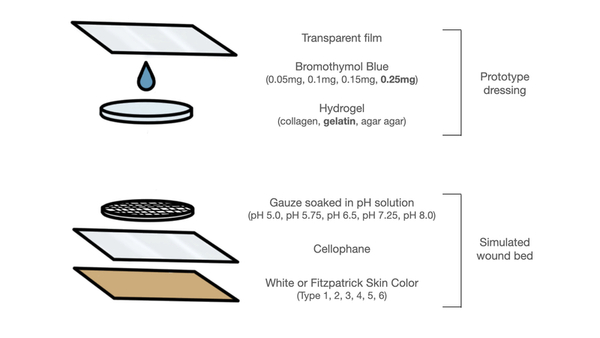
This paper develops a gelatin-based hydrogel dressing infused with bromothymol blue dye that visibly changes from yellow to blue as wound pH rises from 5.0 to 8.0, signaling possible infection. The color shift was visually detectable and statistically significant across all six Fitzpatrick skin tones, suggesting a low-cost ($0.40/dressing) tool for early infection monitoring in settings with limited access to care.
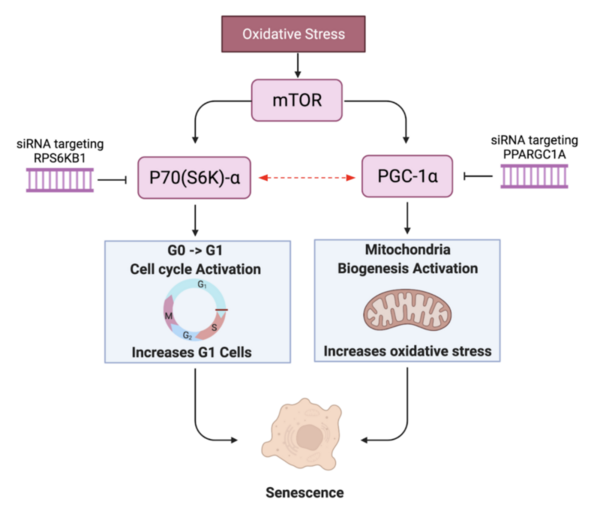
Cellular senescence plays a key role in aging cells and is attributed to a number of disease and pathology. These authors find that genetic editing of both RPS6KB1 and PPARGC1A revitalizes a human skin fibroblast cell line.
Psoriasis is a heritable autoimmune disorder characterized by abnormal red and itchy skin patches. The authors study the family of a man with psoriasis. They explore whether the man's children, who do not show any symptoms of psoriasis, demonstrate gene expression consistent with the disease.
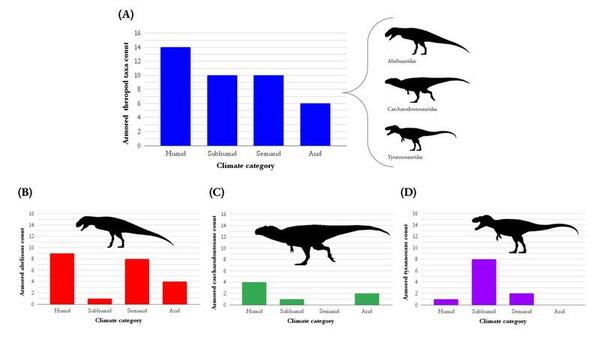
The facial integument, or external skin tissues, were assessed on set of dinosaurs from the Allosauroidea clade to test whether dermal patterns served specific functions.
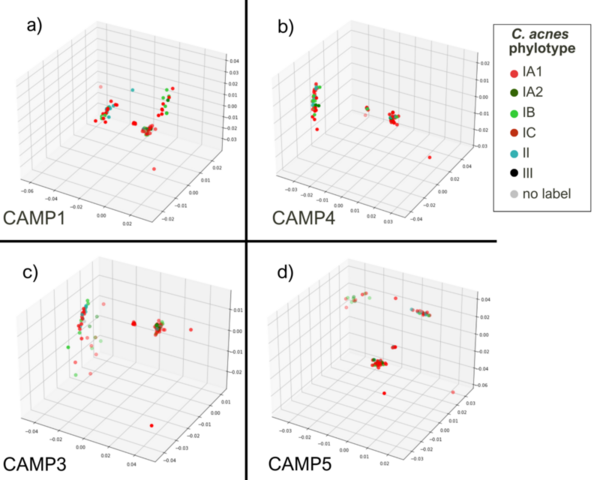
Cutibacterium acnes is a bacterium believed to play an important role in the pathogenesis of common skin diseases such as acne vulgaris. Currently, acne is known to be associated with strains from the type IA1 and IC clades of C. acnes, while those from the type IA2, IB, II, and III phylogroups are associated with skin health. This is the first study to explore the sequence space of individual gene products of different C. acnes phylogroups. Our analysis compared the sequence space topology of virulence factors to proteins with unknown functions and housekeeping proteins. We hypothesized that sequence space features of virulence factors are different from housekeeping protein features, which potentially provides an avenue to deduce unknown proteins’ functions. This proposition should be confirmed based on further experimental outcomes. A notable similarity in the sequence spaces’ topological features of previously known as housekeeping proteins encoded by recA and guaA genes to ‘putative virulence’ genes camp2 and tly was observed. Our research suggests further investigation of recA and guaA’s potential virulence properties to better understand acne pathogenesis and develop more targeted acne treatments.
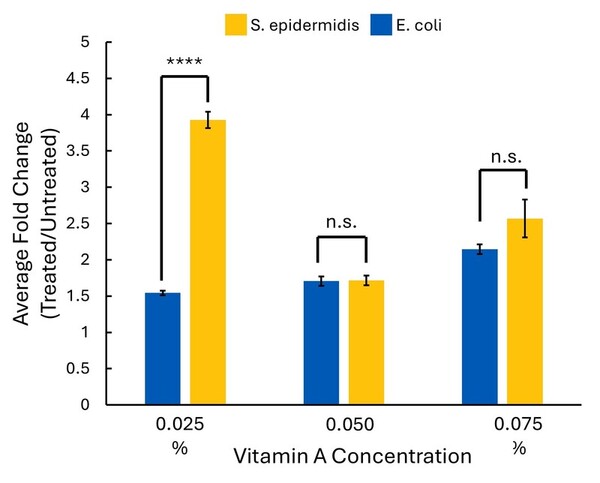
The authors looked at the impact of vitamin A (retinol) on growth of S. epidermidis (most abundant bacterium on the skin) and E. coli (found in the gut microbiome, but not on the skin).
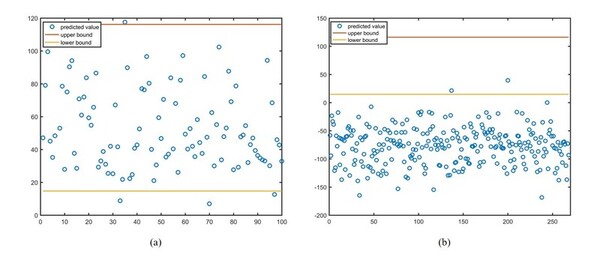
In this article, the authors looked at developing a strategy that would allow for earlier diagnosis of Diabetes as that improves long-term outcomes. They were able to find that BMI, tricep skin fold thickness, and blood pressure are the risk factors with the highest accuracy in predicting diabetes risk.
In the United States, there are currently 17.8 million affected by atopic dermatitis (AD), commonly known as eczema. It is characterized by itching and skin inflammation. AD patients are at higher risk for infections, depression, cancer, and suicide. Genetics, environment, and stress are some of the causes of the disease. With the rise of personalized medicine and the acceptance of gene-editing technologies, AD-related variations need to be identified for treatment. Genome-wide association studies (GWAS) have associated the Filaggrin (FLG) gene with AD but have not identified specific problematic single nucleotide polymorphisms (SNPs). This research aimed to refine known SNPs of FLG for gene editing technologies to establish a causal link between specific SNPs and the diseases and to target the polymorphisms. The research utilized R and its Bioconductor packages to refine data from the National Center for Biotechnology Information's (NCBI's) Variation Viewer. The algorithm filtered the dataset by coding regions and conserved domains. The algorithm also removed synonymous variations and treated non-synonymous, frameshift, and nonsense separately. The non-synonymous variations were refined and ordered by the BLOSUM62 substitution matrix. Overall, the analysis removed 96.65% of data, which was redundant or not the focus of the research and ordered the remaining relevant data by impact. The code for the project can also be repurposed as a tool for other diseases. The research can help solve GWAS's imprecise identification challenge. This research is the first step in providing the refined databases required for gene-editing treatment.
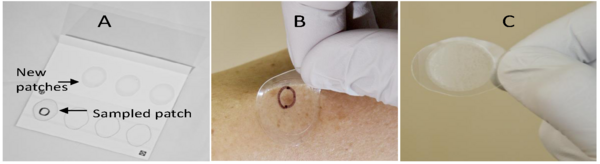
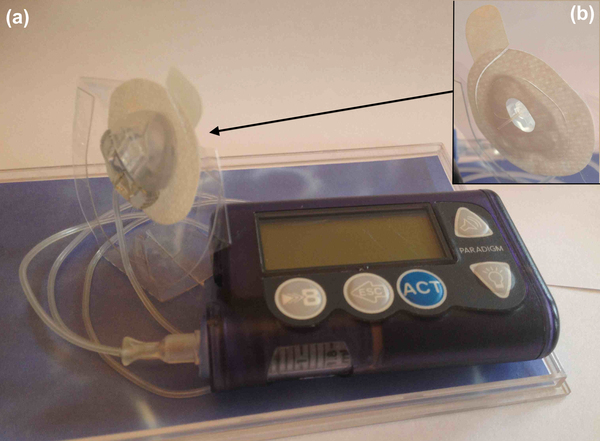
Insulin infusion patches are a common way for diabetics to receive medication. The durability of two different patch adhesives was compared on artificial skin with and without artificial sweat.
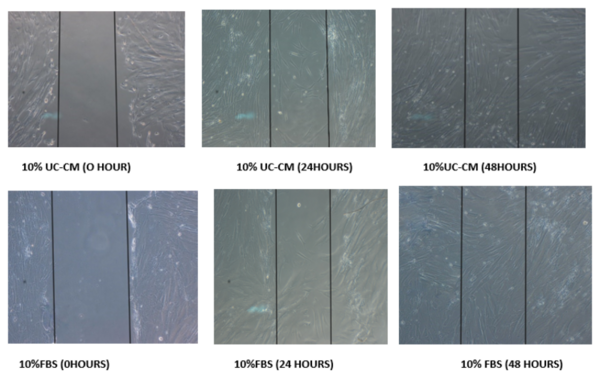
Chronic wounds pose a serious threat to an individual’s health and quality of life. However, due to the severity and morbidity of such wounds, many pre-existing treatments are inefficient or costly. While the use of skin grafts and other such biological constructs in chronic wound healing has already been characterized, the use of umbilical cord tissue has only recently garnered interest, despite the cytokine-rich composition of Wharton’s jelly (cord component). Our current study aimed to characterize the use of an umbilical cord derived conditioned medium (UC-CM) to treat chronic wounds.