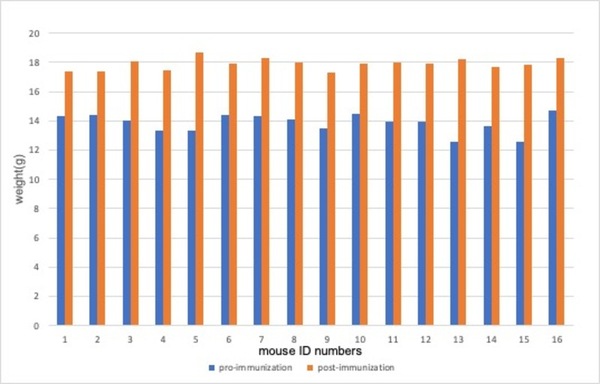
The authors looked at the immunogenicity of a newly developed pneumococcal conjugate vaccine compared to a previously developed one. They found the newly developed vaccine did elicit an immune response.
Read More...Immunogenicity of Minhai 13-valent pneumococcal polysaccharide conjugate vaccine in experimental mice
The authors looked at the immunogenicity of a newly developed pneumococcal conjugate vaccine compared to a previously developed one. They found the newly developed vaccine did elicit an immune response.
Read More...Ocean, atmosphere, and cloud quantity on the surface conditions of tidally-locked habitable zone planets
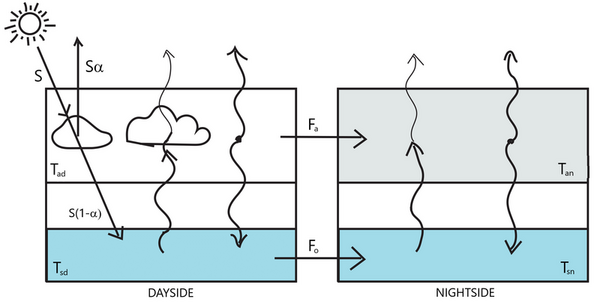
The authors assessed the atmospheric and oceanic parameters necessary for tidally-locked exoplanets to be habitable.
Read More...Adults’ attitudes toward non-alcoholic beer purchases and consumption by children and adolescents
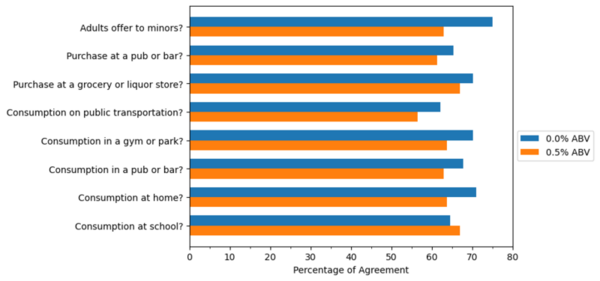
Consumption of non-alcoholic beverages, like non-alcoholic beer, is growing in popularity in the United States. These beverages raise important societal questions, such as whether minors should be allowed to purchase or consume non-alcoholic beer. An and An investigate this issue by surveying adults to see if they support minors purchasing and consuming non-alcoholic beer.
Read More...Comparative analysis of CO2 emissions of electric ride-hailing vehicles over conventional gasoline personal vehicles
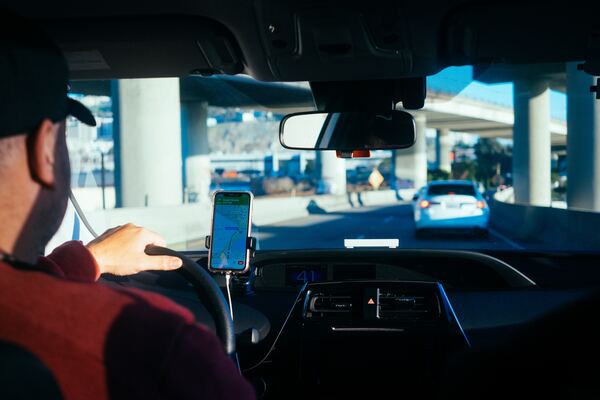
While some believe that ride-hailing services offer reduced CO2 emissions compared to individual driving, studies have found that driving without passengers on ride-hailing trips or "deadheading" prevents this. Here, with a mathematical model, the authors investigated if the use of electric vehicles as ride-hailing vehicles could offer reduced CO2 emissions. They found that the improved vehicle efficiency and cleaner generation could in fact lower emissions compared to the use of personal gas vehicles.
Read More...Survival of Escherichia coli K-12 in various types of drinking water
For public health, drinking water should be free of bacterial contamination. The objective of this research is to identify the fate of bacteria if drinking water becomes contaminated and inform consumers on which water type enables the least bacteria to survive. We hypothesized that bottled mineral water would provide the most sufficient conditions for E. coli to survive. We found that if water becomes contaminated, the conditions offered by the three water types at room temperature allow E. coli to survive up to three days. At 72 hours, the bottled spring water had the highest average colony forming units (CFUs), with tap and mineral water CFU values statistically lower than spring water but not significantly different from each other. The findings of this research highlight the need of implementing accessible quality drinking water for the underserved population and for the regulation of water sources.
Read More...Accessibility to urgent care services for disadvantaged populations: An analysis of healthcare disparities
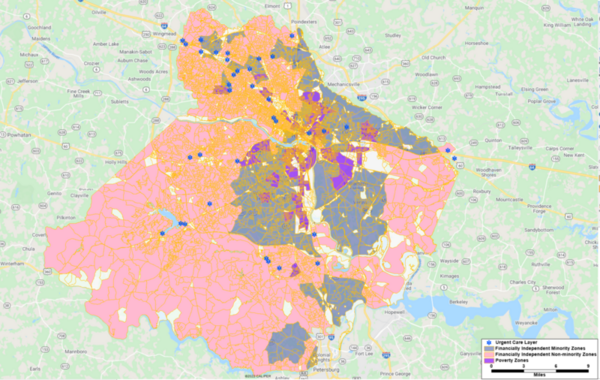
The COVID-19 pandemic demonstrated the depth and significance of healthcare inequality in the United States. Xiao, Xiao, and Gong examine healthcare disparities in the Richmond (Virginia) metropolitan area by analyzing whether people from disadvantaged populations must travel for longer to reach healthcare facilities.
Read More...