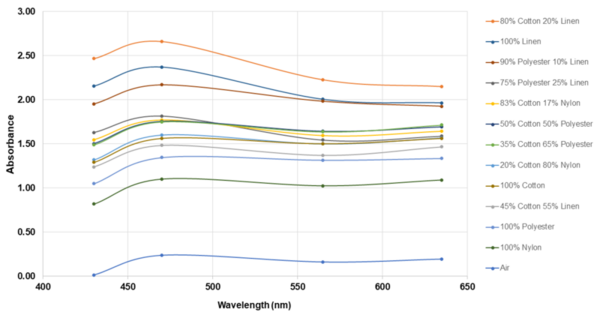
The authors looked at how different blends of synthetic and non-synthetic fabrics protected against UV radiation.
Read More...Effectiveness of different fabrics in protecting from ultraviolet rays
The authors looked at how different blends of synthetic and non-synthetic fabrics protected against UV radiation.
Read More...The Effect of Ultraviolet Radiation and the Antioxidant Curcumin on the Longevity, Fertility, and Physical Structure of Drosophila melanogaster: Can We Defend Our DNA?
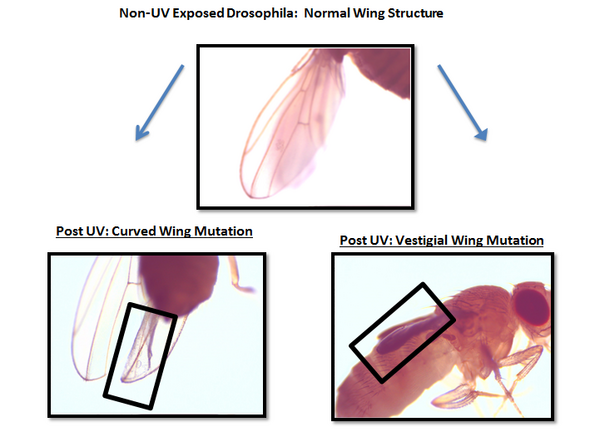
Ultraviolet (UV) radiation is known to alter DNA structure and impair cellular function in all living organisms. In this study, Lateef et al examine the effects of UV radiation to determine whether antioxidant-enriched nutrition can combat the potential deleterious effects of UV radiation on Drosophila melanogaster. They found that UVB (320nm) radiation caused a 59% decrease in the Drosophila lifespan and mutagenic effects on flies' physical appearance, but did not significantly affect fertility. Curcumin significantly prolonged lifespan and enhanced fertility for both UV- and non-UV-exposed flies. The research demonstrates the positive potential of natural antioxidants as weapons against radiation-induced diseases including cancer.
Read More...The Effects of Ultraviolet Light on Escherichia coli
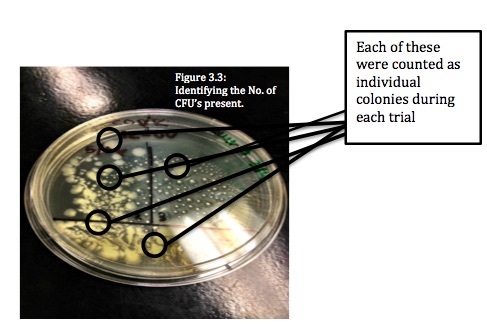
In this study E. coli bacteria was exposed to small UV lights currently used in school laboratories to see the effect on colony growth. This project explores how UV radiation methods could be applied in common households to inhibit bacterial growth.
Read More...Improper storage of sunscreen might decrease effectiveness
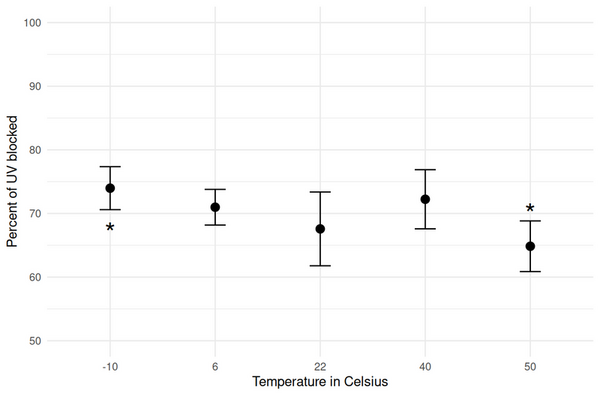
This study explored sunscreen storage temperature affects the efficacy of sunscreen to block UV light.
Read More...Quantitative NMR spectroscopy reveals solvent effects in the photochemical degradation of thymoquinone
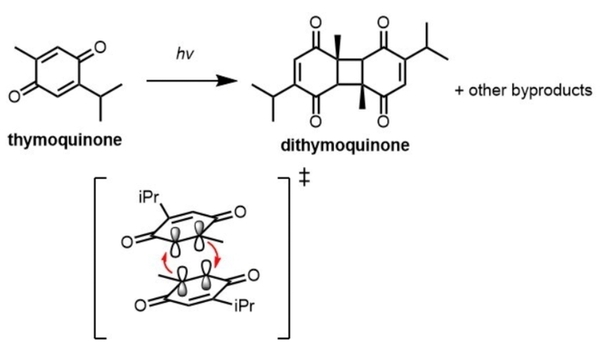
Thymoquinone is a compound of great therapeutic potential and scientific interest. However, its clinical administration and synthetic modifications are greatly limited by its instability in the presence of light. This study employed quantitative 1H nuclear magnetic resonance (NMR) spectroscopy to identify the effect of solvation on the degradation of thymoquinone under ultraviolet light (UV). It found that the rate of degradation is highly solvent dependent occurs maximally in chloroform.
Read More...Role of Environmental Conditions on Drying of Paint

Reducing paint drying time is an important step in improving production efficiency and reducing costs. The authors hypothesized that decreased humidity would lead to faster drying, ultraviolet (UV) light exposure would not affect the paint colors differently, white light exposure would allow for longer wavelength colors to dry at a faster rate than shorter wavelength colors, and substrates with higher roughness would dry slower. Experiments showed that trials under high humidity dried slightly faster than trials under low humidity, contrary to the hypothesis. Overall, the paint drying process is very much dependent on its surrounding environment, and optimizing the drying process requires a thorough understanding of the environmental factors and their interactive effects with the paint constituents.
Read More...The Effect of Sunglass Price on Ocular Exposure to Ultraviolet Radiation
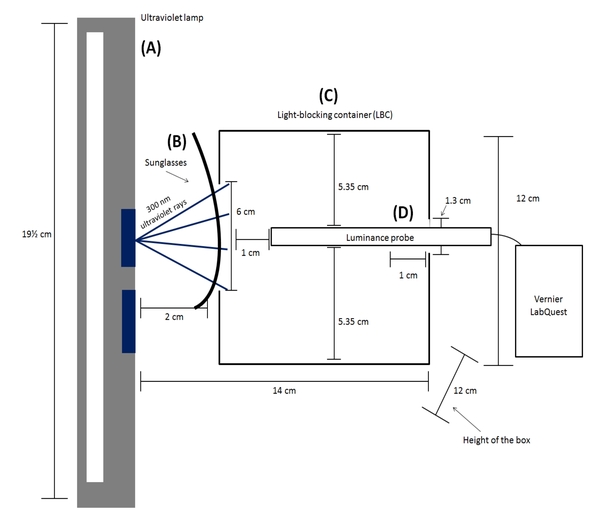
Wearing sunglasses may offer protection against the negative health outcomes linked to exposure to ultraviolet waves. In this study, the authors test whether more expensive sunglasses offer better UV protection.
Read More...Comparative singlet oxygen photosensitizer efficiency of berberine, rose bengal, and methylene blue by time course nuclear magnetic resonance (NMR) monitoring of a photochemical 4+2 cycloaddition endoperoxide formation

Berberine, a natural product alkaloid, has been shown to exert biological activity via in situ production of singlet oxygen when photo irradiated. Berberine utilizes singlet oxygen in its putative mechanism of action, wherein it forms an activated complex with DNA and photosensitizes triplet oxygen to singlet oxygen to specifically oxidize guanine residues, thereby halting cell replication and leading to cell death. This has potential application in photodynamic therapy, alongside other such compounds which also act as photosensitizers and produce singlet oxygen in situ. The quantification of singlet oxygen in various photosensitizers, including berberine, is essential for determining their photosensitizer efficiencies. We postulated that the singlet oxygen produced by photoirradiation of berberine would be superior in terms of singlet oxygen production to the aforementioned photosensitizers when irradiated with UV light, but inferior under visible light conditions, due to its strong absorbance of UV wavelengths.
Read More...Efficient synthesis of superabsorbent beads using photopolymerization with a low-cost method
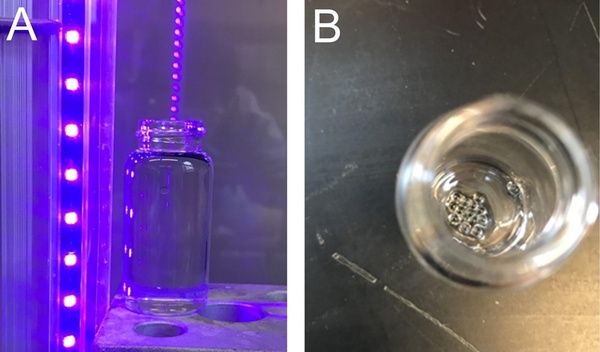
Superabsorbent beads are remarkable, used throughout our daily lives for various practical applications. These beads, as suggested by their name, possess a unique ability to absorb and retain large quantities of liquids. This characteristic of absorbency makes them essential throughout the medical field, agriculture, and other critical industries as well as in everyday products. To create these beads, the process of photopolymerization is fast growing in favor with distinct advantages of cost efficiency, speed, energy efficiency, and mindfulness towards the environment. In this article, researchers explore the pairing of cheap monomers with accessible equipment for creation of superabsorbent beads via the photopolymerization process. This research substantially demonstrates the successful application of photopolymerization in producing highly absorbent beads in a low-cost context, thereby expanding the accessibility of this process for creating superabsorbent beads in both research and practical applications.
Read More...QuitPuff: A Simple Method Using Saliva to Assess the Risk of Oral Pre-Cancerous Lesions and Oral Squamous Cell Carcinoma in Chronic Smokers
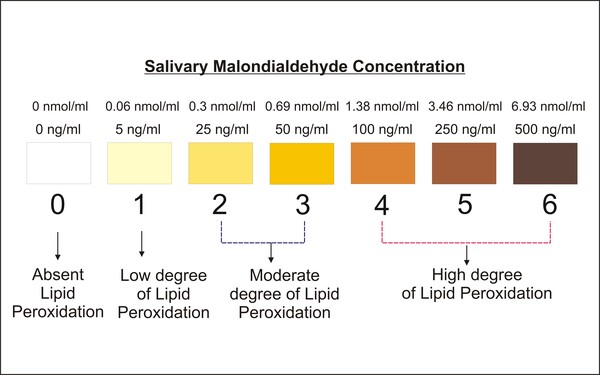
Smoking generates free radicals and reactive oxygen species which induce cell damage and lipid peroxidation. This is linked to the development of oral cancer in chronic smokers. The authors of this study developed Quitpuff, simple colorimetric test to measure the extent of lipid peroxidation in saliva samples. This test detected salivary lipid peroxidation with 96% accuracy in test subjects and could serve as an inexpensive, non-invasive test for smokers to measure degree of salivary lipid peroxidation and potential risk of oral cancer.
Read More...