Browse Articles

Development of a novel machine learning platform to identify structural trends among NNRTI HIV-1 reverse transcriptase inhibitors

Ashok et al. | Jun 24, 2022

Development of a novel machine learning platform to identify structural trends among NNRTI HIV-1 reverse transcriptase inhibitors

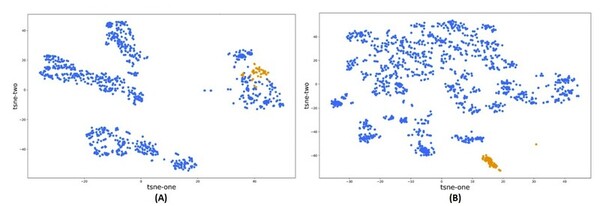
With advancements in machine learning a large data scale, high throughput virtual screening has become a more attractive method for screening drug candidates. This study compared the accuracy of molecular descriptors from two cheminformatics Mordred and PaDEL, software libraries, in characterizing the chemo-structural composition of 53 compounds from the non-nucleoside reverse transcriptase inhibitors (NNRTI) class. The classification model built with the filtered set of descriptors from Mordred was superior to the model using PaDEL descriptors. This approach can accelerate the identification of hit compounds and improve the efficiency of the drug discovery pipeline.

Read More...
Effects of Photoperiod Alterations on Stress Response in Daphnia magna

Kelly et al. | Mar 10, 2022

Effects of Photoperiod Alterations on Stress Response in <em>Daphnia magna</em>

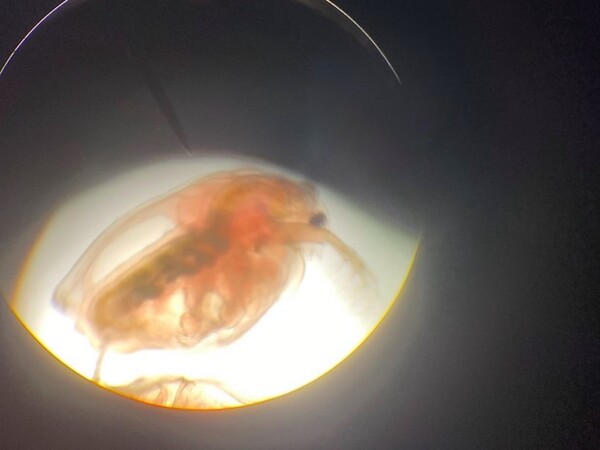
Here, seeking to better understand the effects of altered day-night cycles, the authors considered the effects of an altered photoperiod on Daphnia magna. By tracking possible stress responses, including mean heart rate, brood size, and male-to-female ratio they found that a shorter photoperiod resulted in altered mean heart rates and brood size. The authors suggest that based on these observations, it is important to consider the effects of photoperiod alterations and the stress responses of other organisms.

Read More...

The knowledge and perception of opioid abuse and its long-term effects among high schoolers

Shroff et al. | Nov 27, 2021

The knowledge and perception of opioid abuse and its long-term effects among high schoolers

Due to the susceptibility of adolescent age groups to opioid misuse, here the authors sought to determine if there was a difference in the perception and knowledge between 9th and 12th graders regarding the opioid crisis. An educational intervention trial was done with the 9th graders and surveys were used to identify its effects. Although the authors acknowledge a small sample size, their results suggest that their are gaps within the knowledge of adolescents in regards to opioid misuse and its long-term effects that could be addressed with further education.

Read More...