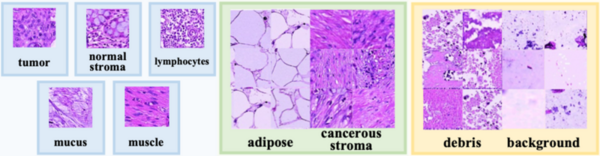
The authors develop a machine learning method to reduce misclassification of objects in safety-critical applications such as medical diagnosis.
Read More...Mitigating open-set misclassification in a colorectal cancer detecting neural network
The authors develop a machine learning method to reduce misclassification of objects in safety-critical applications such as medical diagnosis.
Read More...Predictive modeling of cardiovascular disease using exercise-based electrocardiography
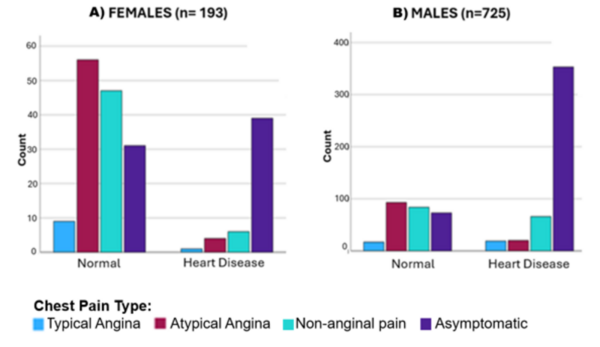
The authors looked factors that could lead to earlier diagnosis of cardiovascular disease thereby improving patient outcomes. They found that advances in imaging and electrocardiography contribute to earlier detection of cardiovascular disease.
Read More...Tree-Based Learning Algorithms to Classify ECG with Arrhythmias
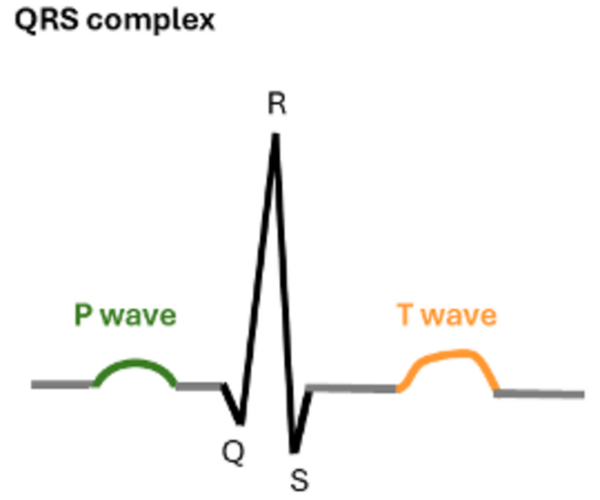
Arrhythmias vary in type and treatment, and ECGs are used to detect them, though human interpretation can be inconsistent. The researchers tested four tree-based algorithms (gradient boosting, random forest, decision tree, and extra trees) on ECG data from over 10,000 patients.
Read More...A comparative analysis of machine learning approaches to predict brain tumors using MRI
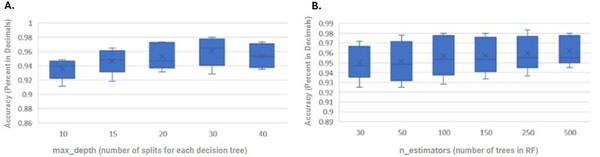
The authors use machine learning on MRI images of brain tissue to predict tumor onset as an avenue for early detection of brain cancer.
Read More...Development of novel biodegradable bioplastics for packaging film using mango peels

Here the authors explored the development of biodegradable bioplastic films derived from mango peels as a sustainable solution to plastic pollution and greenhouse gas emissions from fruit waste. They optimized the film's mechanical properties and water resistance through adjusting processing conditions and incorporating plasticizers and a hydrophobic coating, ultimately demonstrating its potential as a bacteriostatic and biodegradable alternative to conventional plastic food wrap.
Read More...Depression detection in social media text: leveraging machine learning for effective screening
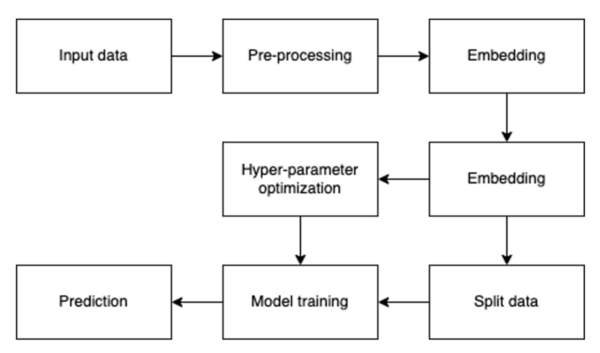
Depression affects millions globally, yet identifying symptoms remains challenging. This study explored detecting depression-related patterns in social media texts using natural language processing and machine learning algorithms, including decision trees and random forests. Our findings suggest that analyzing online text activity can serve as a viable method for screening mental disorders, potentially improving diagnosis accuracy by incorporating both physical and psychological indicators.
Read More...Assessing large language models for math tutoring effectiveness
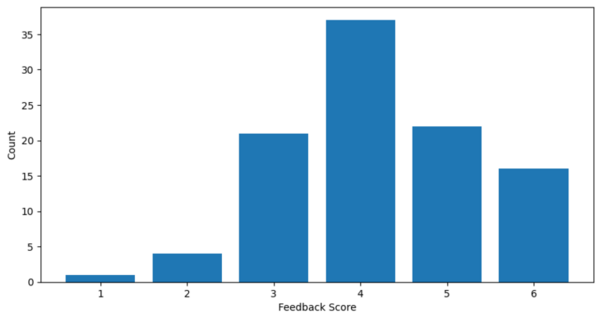
Authors examine the effectiveness of Large Language Models (LLMs) like BERT, MathBERT, and OpenAI GPT-3.5 in assisting middle school students with math word problems, particularly following the decline in math performance post-COVID-19.
Read More...Digestion products of bread and cheese cause addictive behavior in a planaria model
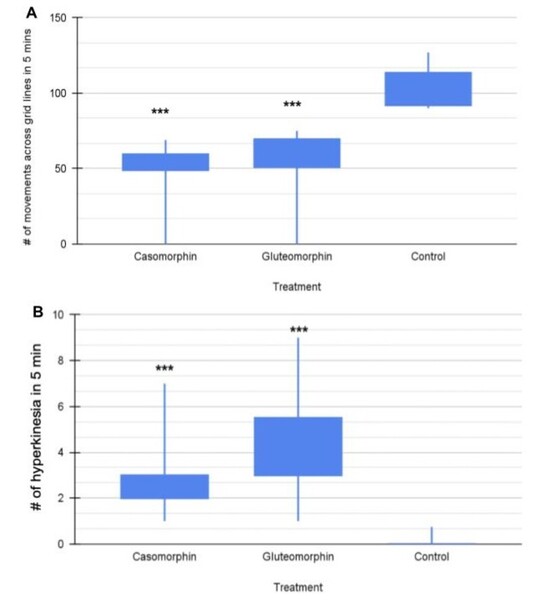
The authors looked at two peptides, gluteomorphin and casomorphin, that are present after the digestion of bread and cheese. As these peptides can bind opioid receptors the authors want to know if they could be addictive in the same way as conventional opioids (i.e., morphine) are known to be. Their results in a planaria model suggest that both of these peptides are addictive.
Read More...Exploring the effects of diverse historical stock price data on the accuracy of stock price prediction models
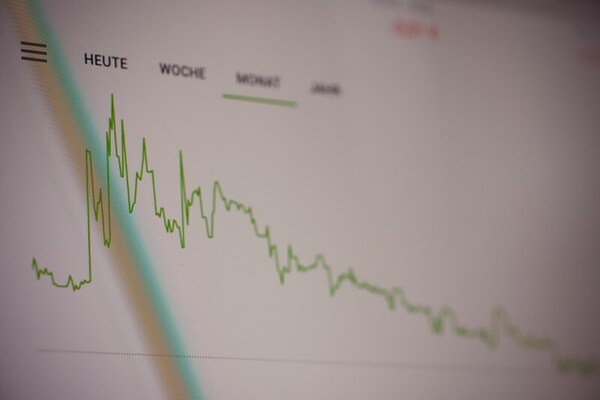
Algorithmic trading has been increasingly used by Americans. In this work, we tested whether including the opening, closing, and highest prices in three supervised learning models affected their performance. Indeed, we found that including all three prices decreased the error of the prediction significantly.
Read More...Transfer Learning with Convolutional Neural Network-Based Models for Skin Cancer Classification
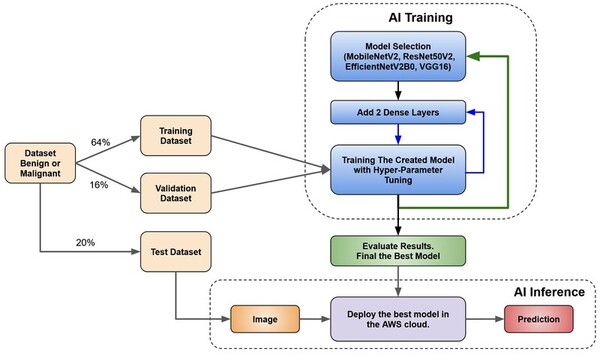
Skin cancer is a common and potentially deadly form of cancer. This study’s purpose was to develop an automated approach for early detection for skin cancer. We hypothesized that convolutional neural network-based models using transfer learning could accurately differentiate between benign and malignant moles using natural images of human skin.
Read More...