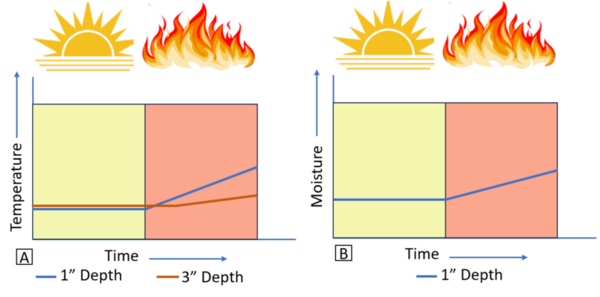
The authors looked at how soil temperature changes with fire to develop a sensor system that could aid in earlier detection of fires.
Read More...Fire detection using subterranean soil sensors
The authors looked at how soil temperature changes with fire to develop a sensor system that could aid in earlier detection of fires.
Read More...Predicting the spread speed of red imported fire ants under different temperature conditions in China

The authors looked at non-natural factors that influenced the spread rate of fire ants in multiple cities in China.
Read More...Using advanced machine learning and voice analysis features for Parkinson’s disease progression prediction
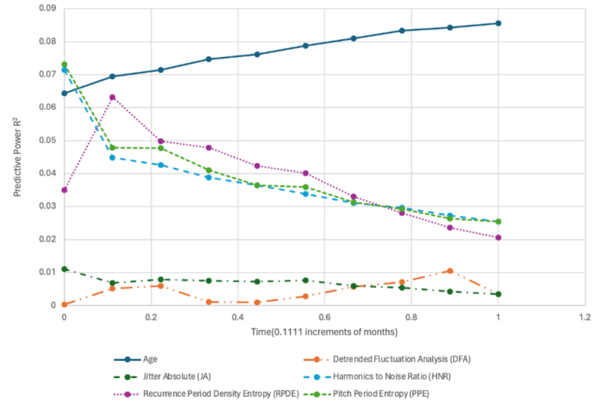
The authors looked at the ability to use audio clips to analyze the progression of Parkinson's disease.
Read More...In silico screening of DEAB analogues as ALDH1 isoenzymes inhibitors in cancer treatment
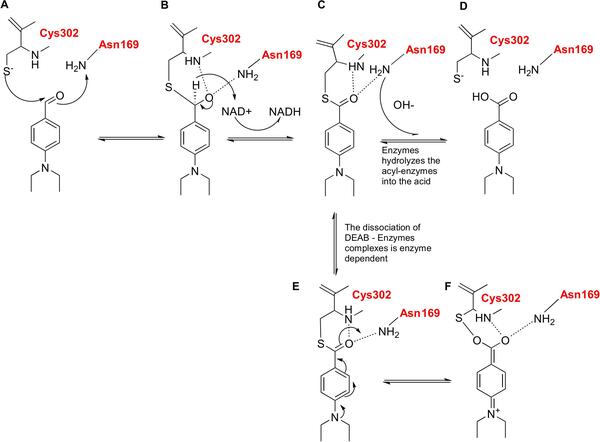
The authors computationally screened potential ALDH1 inhibitors, for use as potential cancer therapeutics.
Read More...Practical applications of the Fourier analysis to identify pitches and synthesize sounds in music
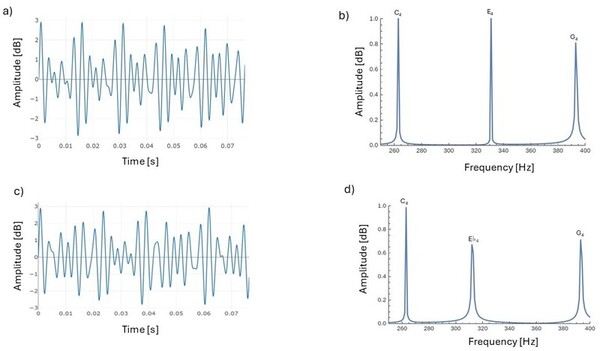
In this study the authors looked at the ability of the Discrete Fourier Transform (DFT) to analyze different musical elements. They found that DFT is a powerful method to analyze recorded music.
Read More...Exploration of the density–size correlation of celestial objects on various scales
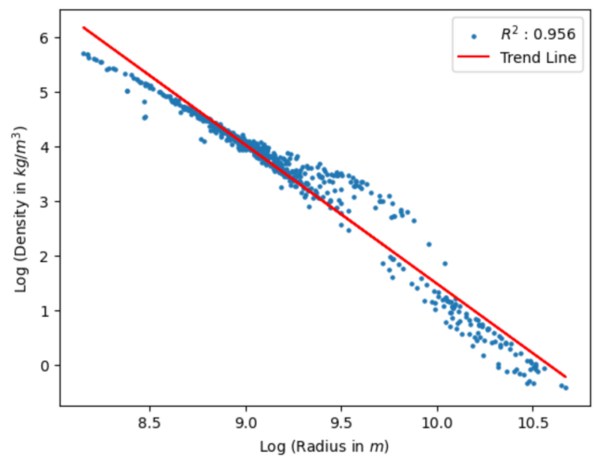
Building on previous work by earlier astronomers, the authors investigate the correlation between the density and size of celestial objects in the universe, including neutron stars, galaxies, and galaxy clusters.
Read More...The utilization of Artificial Intelligence in enabling the early detection of brain tumors
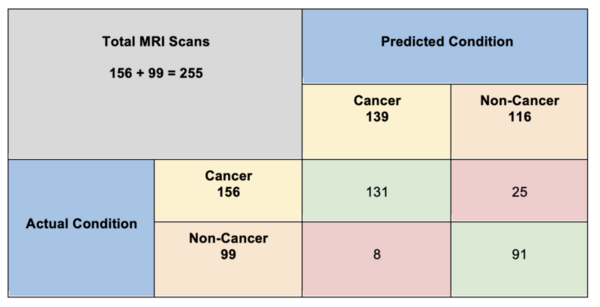
AI analysis of brain scans offers promise for helping doctors diagnose brain tumors. Haider and Drosis explore this field by developing machine learning models that classify brain scans as "cancer" or "non-cancer" diagnoses.
Read More...Paralyzing effects of CO2 and hypothermia on Madagascar hissing and dubia cockroaches

Here the authors sought to find a more ethical and efficient way to temporary paralyze a cockroach by comparing the results of two methods. By comparing immobilization through immersion in cold water and exposure to a 100 % CO2 environment, they found that cockroaches could be immobilized and recovered significantly faster when exposed to CO2.
Read More...An in vitro comparative analysis of the growth factors present in FBS vs PLAY®

Here the authors performed a comparative analysis to investigate the viability of using PLAY® instead of fetal bovine serum (FBS) as a growth medium to culture cells with an enzyme-linked immunosorbent assay.
Read More...Risk factors contributing to Pennsylvania childhood asthma
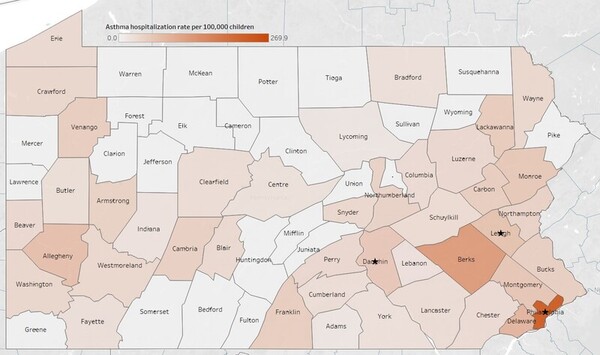
Asthma is one of the most prevalent chronic conditions in the United States. But not all people experience asthma equally, with factors like healthcare access and environmental pollution impacting whether children are likely to be hospitalized for asthma's effects. Li, Li, and Ruffolo investigate what demographic and environmental factors are predictive of childhood asthma hospitalization rates across Pennsylvania.
Read More...