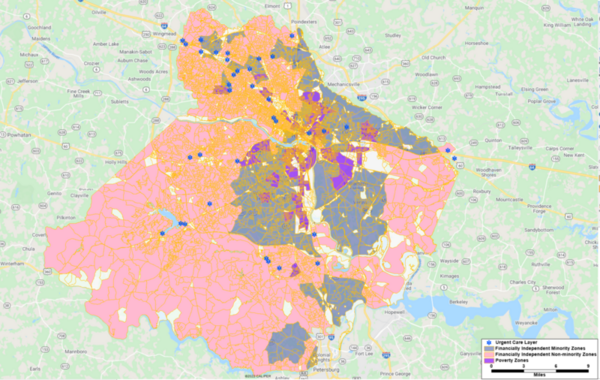
The COVID-19 pandemic demonstrated the depth and significance of healthcare inequality in the United States. Xiao, Xiao, and Gong examine healthcare disparities in the Richmond (Virginia) metropolitan area by analyzing whether people from disadvantaged populations must travel for longer to reach healthcare facilities.
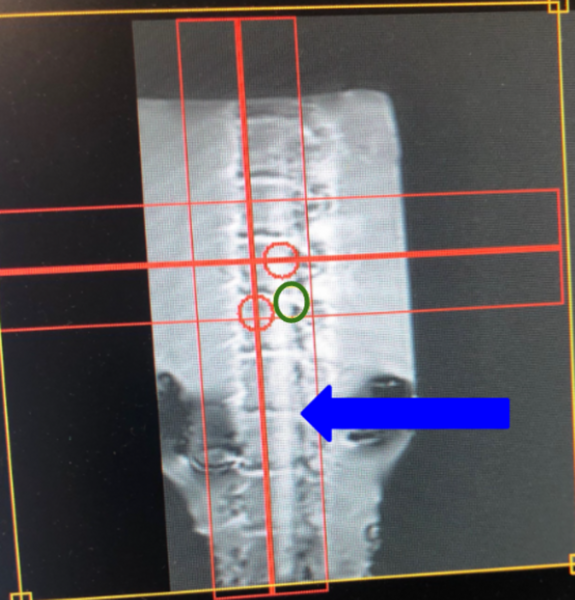
Spinal degeneration has been linked to critical conditions such as osteoarthritis in adults aged 40+; while this condition is considered to be irreversible, we took interest in magnetic resonance imaging (MRI) for early detection of the condition. Ultimately, our purpose was to determine the effectiveness of a relatively novel T1rho method in the early detection of spinal degeneration, and we hypothesized that the early to mild progression of spinal degeneration would affect T1rho values following an MRI scan.
Here, the authors investigated methods to reduce noise in audio composed of real-word sounds. They specifically used two spectral subtraction noise reduction algorithms: stationary and non-stationary finding notable differences in noise improvements depending on the noise sources.
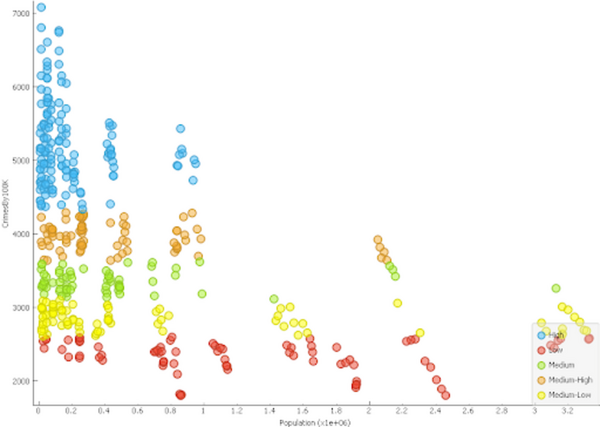
The authors look at using publicly available data and machine learning to see if they can develop a criminal activity index for counties within the state of California.
This article describes the relationship between socioeconomic factors and the extent of how the COVID-19 Pandemic affected communities. Factors such as infection rate, vaccination rate, and economic status were all evaluated within the context of this article.
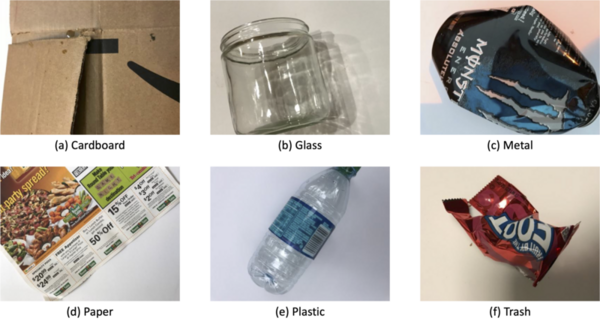
Based on the success of deep learning, recent works have attempted to develop a waste classification model using deep neural networks. This work presents federated learning (FL) for a solution, as it allows participants to aid in training the model using their own data. Results showed that with less clients, having a higher participation ratio resulted in less accuracy degradation by the data heterogeneity.
The electronic health record (EHR), along with its mobile application, has demonstrated the ability to improve the efficiency and accuracy of health care delivery. This study included data from 874 health care providers over a 12-month period regarding their usage of mobile phone (EPIC® Haiku) and tablet (EPIC® Canto) mEHR. Ambulatory and inpatient care providers had the greatest usage levels over the 12-month period. Awareness of workflow allows for optimization of mEHR design and implementation, which should increase mEHR adoption and usage, leading to better health outcomes for patients.
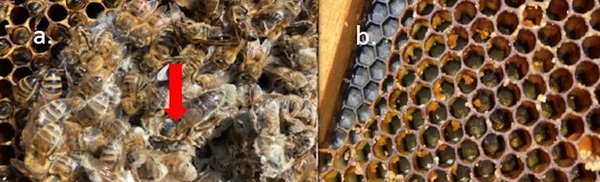
In this study, the authors test the longevity of a anti-mite compound, amitraz, in commercially-sold strips and the age-dependent efficacy of these strips in preventing honey bee colony collapse by ectoparasitic mite Varroa destructor.
While resources on the safety of household cleaning products are plentiful, measures of efficacy of these cleaning chemicals against bacteria and viruses remain without standardization in the consumer market. The COVID pandemic has exasperated this knowledge gap, stoking the growth of misinformation and misuse surrounding household cleaning chemicals. Arriving at a time dire for sanitization standardization, the authors of this paper have created a quantifying framework for consumers by comparing a wide range of household cleaning products in their efficacy against bacteria generated by a safe and easily replicable yogurt model.
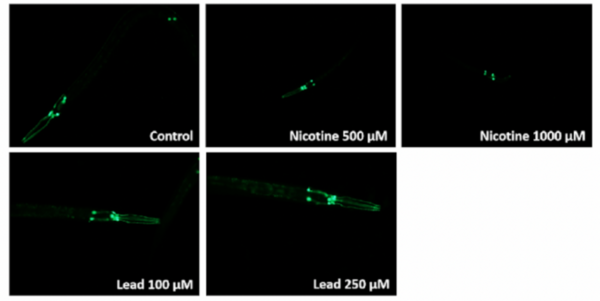
E-cigarettes are often considered a healthier alternative to traditional cigarettes. This team of high school authors investigated the impact of common e-cigarette compounds on C. elegans, and found a number of harmful effects ultimately resulting in injury and neuronal damage.