Browse Articles

Locating sources of a high energy cosmic ray extensive air shower using HiSPARC data

Aziz et al. | Oct 24, 2023

Locating sources of a high energy cosmic ray extensive air shower using HiSPARC data

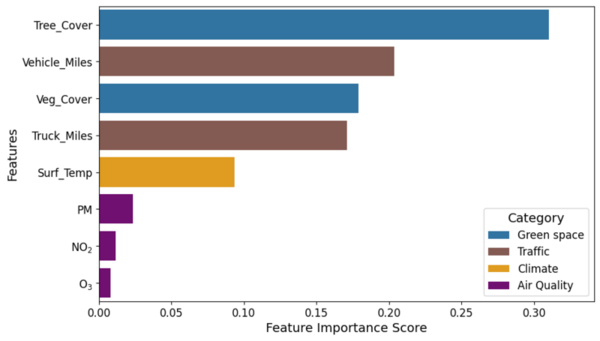
Using the data provided by the University of Twente High School Project on Astrophysics Research with Cosmics (HiSPARC), an analysis of locations for possible high-energy cosmic ray air showers was conducted. An example includes an analysis conducted of the high-energy rain shower recorded in January 2014 and the use of Stellarium™ to discern its location.

Read More...

Capturing Harmful Air Pollutants Using an Electrospun Mesh Embedded with Zinc-based Nanocrystals

Doppalapudi et al. | May 12, 2020

Capturing Harmful Air Pollutants Using an Electrospun Mesh Embedded with Zinc-based Nanocrystals

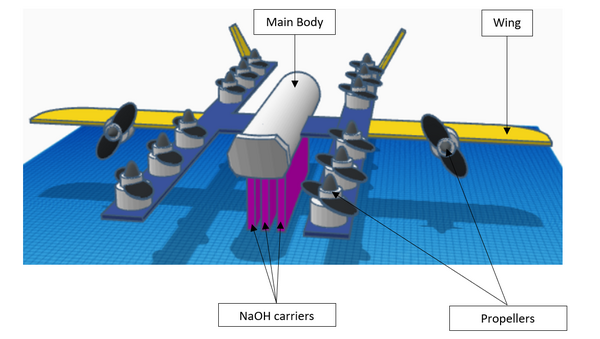
Zeolithic imidazolate framework-8 (ZIF-8) is a specific metal-organic framework that has favorable qualities for use in an air filter and is known to be capable of adsorbing particulate matter. Therefore, the objective of this experiment was to determine the effectiveness of ZIF-8 in adsorbing polar, gaseous air pollutants, specifically nitrogen dioxide and hydrogen sulfide. In order to determine effectiveness, the percent change in concentration for various gases after the application of ZIF-8 crystals was measured via Fourier-transform infrared spectroscopy (FTIR). The work highlights crystals as a potentially promising alternative or addition to current filter materials to reduce atmospheric pollution.

Read More...

Artificial Intelligence-Based Smart Solution to Reduce Respiratory Problems Caused by Air Pollution

Bhardwaj et al. | Dec 14, 2021

Artificial Intelligence-Based Smart Solution to Reduce Respiratory Problems Caused by Air Pollution

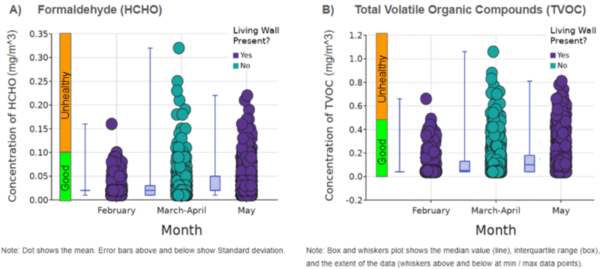
In this report, Bhardwaj and Sharma tested whether placing specific plants indoors can reduce levels of indoor air pollution that can lead to lung-related illnesses. Using machine learning, they show that plants improved overall indoor air quality and reduced levels of particulate matter. They suggest that plant-based interventions coupled with sensors may be a useful long-term solution to reducing and maintaining indoor air pollution.

Read More...

Developing a Portable, Reusable, and Inexpensive Magnesium-Air Fuel Cell

Tota et al. | Mar 28, 2019

Developing a Portable, Reusable, and Inexpensive Magnesium-Air Fuel Cell

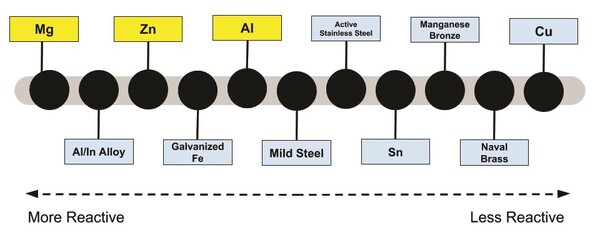
One of the greatest challenges we face today is the sustainable production, storage, and distribution of electrical power. One emerging technology with great promise in this area is that of metal-air fuel cells—a long-term and reusable electricity storage system made from a reactive metal anode and a saline solution. In this study the authors tested several different types of metal to determine which was the most suitable for this application. They found that a fuel cell with a magnesium anode was superior to fuel cells made from aluminum or zinc, producing a voltage and current sufficient for real-world applications such as charging a mobile phone.

Read More...