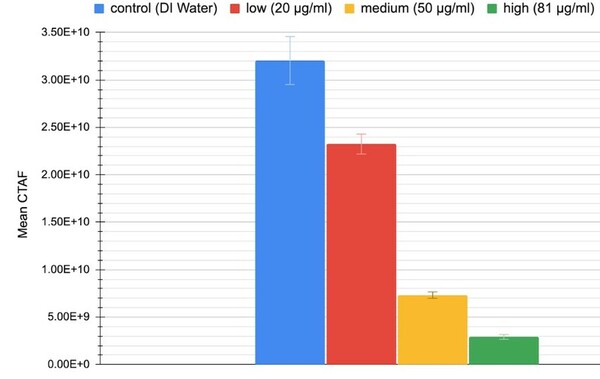
In this study the authors look at the use of Indole 3 Carbinol as a treatment for Type II Diabetes finding that it may be an effective treatment.
Read More...Indole-3 carbinol on lipid accumulation in Caenorhabditis elegans as a novel therapeutic for Type II Diabetes
In this study the authors look at the use of Indole 3 Carbinol as a treatment for Type II Diabetes finding that it may be an effective treatment.
Read More...The effects of Helianthus Annuus on Amyotrophic Lateral Sclerosis using Drosophila Melanogaster
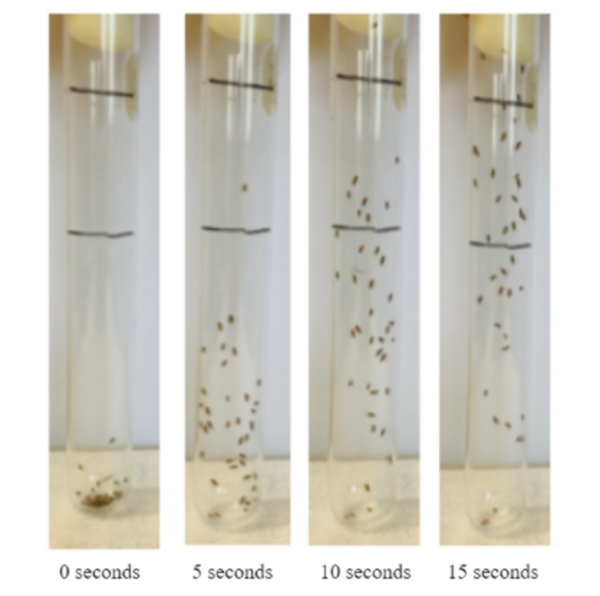
Amyotrophic lateral sclerosis (ALS) affects nearly 200,000 people worldwide and there is currently no cure. The purpose of the study was to determine if Helianthus annuus seeds helped reduce nerve degeneration and increase locomotion using Drosophila melanogaster as the model organism. Through this experiment, we found a general trend suggesting that H. annuus helped increase the mobility of the D. melanogaster suggesting it could be a viable supplement for patients with ALS.
Read More...The Non-Thermal Effect of UV-B Irradiation on Onion Growth
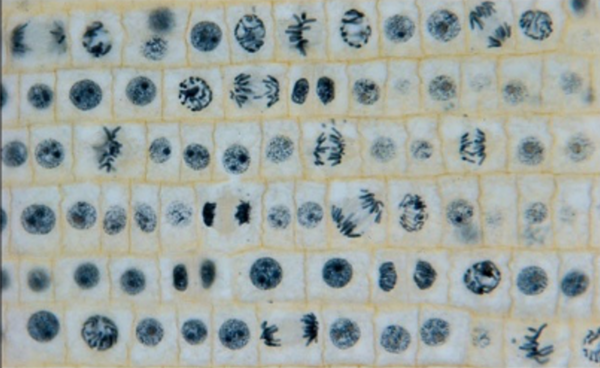
UV-B radiation due to the depletion of ozone threatens plant life, potentially damaging ecosystems and dismantling food webs. Here, the impact of UV-B radiation on the physiology and morphology of Allum cepa, the common onion, was assessed. Mitosis vitality decreased, suggesting UV-B damage can influence the plant’s physiology.
Read More...Potential Multifunctional Agents for Dual Therapy of Age-Related and Associated Diseases: Alzheimer’s Disease and Type 2 Diabetes Mellitus
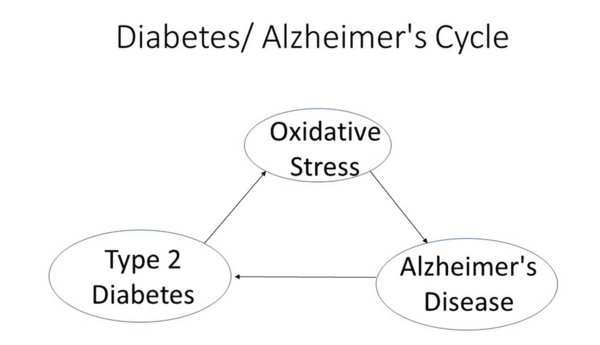
Studies show an age-related link between Alzheimer’s Disease and Type 2 Diabetes Mellitus with oxidative stress a characteristic of both. Here, methanolic fractionations and extracts of four Ayurvedic plants were assessed for their protective abilities using a number of in vitro assays. Extracts inhibited oxidative stress and reduced activity of key enzymes involved in the pathogenesis of both diseases in neuroblastoma cells.
Read More...The Protective Effects of Panax notoginseng Saponin on the Blood-Brain Barrier via the Nrf2/ARE Pathway in bEnd3 Cells
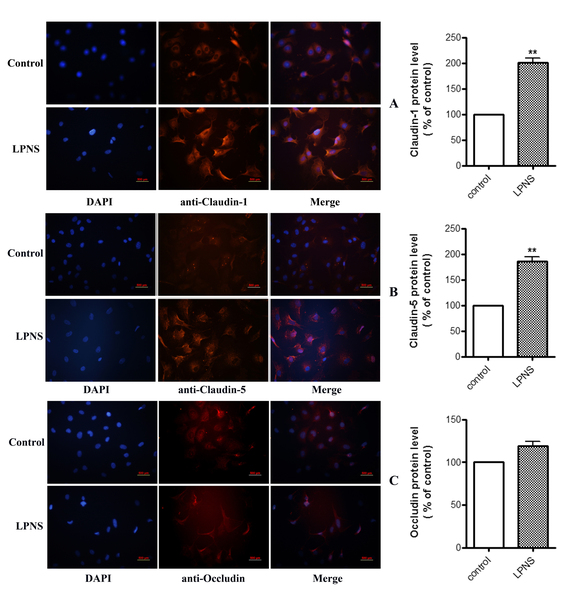
Disruption of the blood-brain barrier (BBB) is related to many neurological disorders, and can be caused by oxidative stress to cerebral microvascular endothelial cells (CMECs) composing the BBB. The authors of the paper investigated the protective effects of the total saponins in the leaves of Panax notoginseng (LPNS) on oxidative-stress-induced damage in a mouse cerebral microvascular endothelial cell line.
Read More...Effect of the Herbal Formulation HF1 on the Expression of PD-L1 in PC3 cells
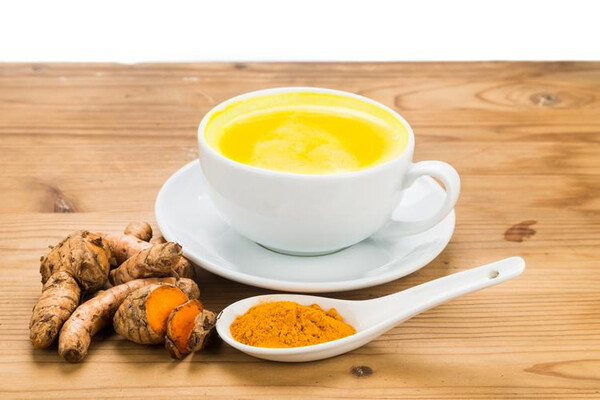
In this study, Imani et al. investigate whether a new proprietary herbal formulation, HF1, can inhibit expression of immune suppressor protein PD-L1. PD-L1 is a transmembrane protein that can be expressed by cancer cells to assist in their ability to avoid attacks from the immune system. Work from this study demonstrates that HF1 treatment can reduce expression of PD-L1 in cultured cancer cells, implicating HF1 as a potential new cancer therapy.
Read More...Variation in Caffeine Concentration Among Different Weight Loss Supplements Containing Green Tea and Green Coffee Extracts
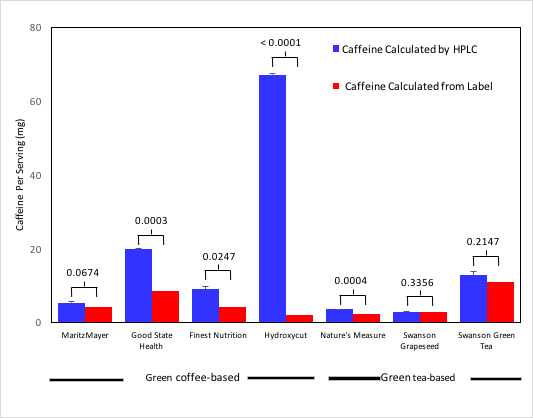
Many weight loss supplements contain the stimulant caffeine, but do not disclose the amount. Here, authors measure and compare the amount of caffeine in different dietary supplements. This research gives consumers better understanding of the impact natural supplements may have on their health.
Read More...How Ethanol Concentration Affects Catalase Catalysis of Hydrogen Peroxide
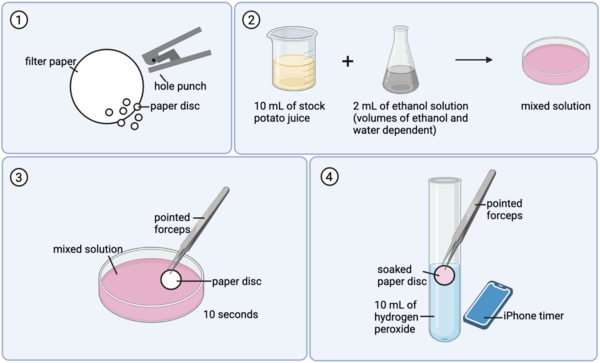
Catalase is a critical enzyme in the human body because it is capable of converting potentially dangerous hydrogen peroxide into water and oxygen. This work asks whether ethanol affects catalase activity, as alcohol consumption has been often linked to hepatitis occurring in the liver, where catalase level is especially high, and ethanol is known to be capable of denaturing proteins. Testing different concentrations of ethanol found that higher concentrations reduced the activity of catalase. This work has important implications on the negative effects of ethanol on metabolism, in which catalase plays an important role, and protein function more broadly.
Read More...A Novel Alzheimer's Disease Therapeutic Model: Attenuating Hyperphosphorylated Tau and Amyloid β (Aβ) Aggregates by Characterizing Antioxidative, Anti-Inflammatory, and Neuroprotective Properties of Natural Extracts
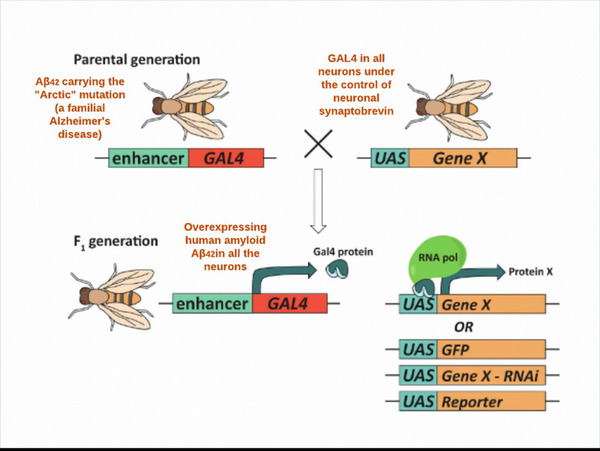
Oxidative damage and neuro-inflammation were the key pathways implicated in the pathogenesis of Alzheimer’s disease. In this study, 30 natural extracts from plant roots and leaves with extensive anti-inflammatory and anti-oxidative properties were consumed by Drosophila melanogaster. Several assays were performed to evaluate the efficacy of these combinational extracts on delaying the progression of Alzheimer’s disease. The experimental group showed increased motor activity, improved associative memory, and decreased lifespan decline relative to the control group.
Read More...Apoptosis induction and anti-inflammatory activity of polyherbal drug AS20 on cervical cancer cell lines
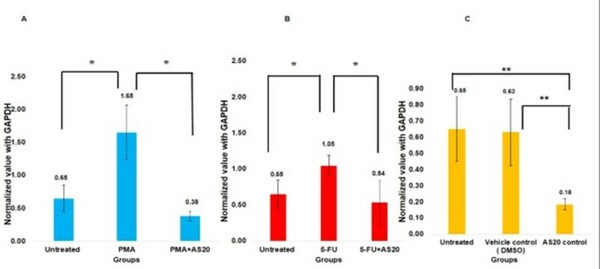
The authors found that treatment with AS20 suppressed phorbol 12-myristate 13-acetate (PMA) and 5-flurouracil (5-FU) induction of COX2 expression. We also observed AS20 treated cells showed DNA fragmentation in HeLa cells.
Read More...