
The authors found that SARIMAX-GARCH is more accurate than SARIMAX for load forecasting with respect to energy consumption.
Read More...An analysis of the feasibility of SARIMAX-GARCH through load forecasting
The authors found that SARIMAX-GARCH is more accurate than SARIMAX for load forecasting with respect to energy consumption.
Read More...Nitric Oxide Synthesis/Pathway Inhibitors in Daphnia magna Reverse Alcohol-Induced Heart Rate Decrease
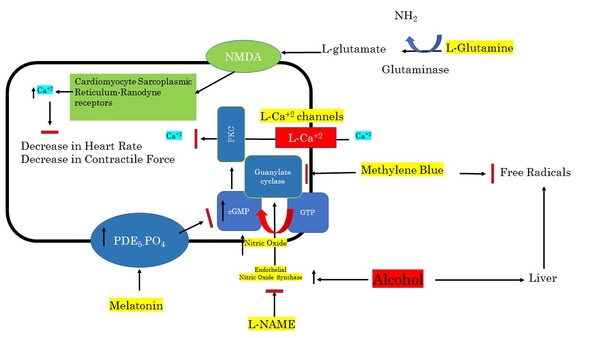
Chronic alcohol consumption can cause cardiac myopathy, which afflicts about 500,000 Americans annually. Gunturi et al. wanted to understand the effects of alcohol on heart rate and confirm the role of nitric oxide (NO) signaling in heart rate regulation. Using the model organism Daphnia magna, a water crustacean with a large, transparent heart, they found that the heart rate of Daphnia magna was reduced after treatment with alcohol. This depression could be reversed after treatment with inhibitors of NO synthesis and signaling. Their work has important implications for how we understand alcohol-induced effects on heart rate and potential treatments to reverse heart rate depression as a result of alcohol consumption.
Read More...Too hot to work? Heat waves, household income, and labor adaptation in India
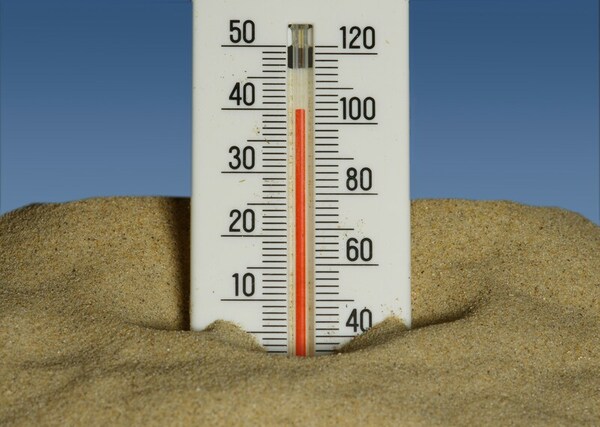
Paper found that heat waves in India are linked to lower household income, agricultural income, and consumption, with agriculture being affected the most. It also suggests farm workers may adapt to extreme heat over time by increasing labor inputs despite rising temperatures.
Read More...The optimization of high-protein duckweed cultivation in eutrophicated water with mutualistic bacteria

he rapid growth of the human population is driving food crises in Thailand and Southeast Asia, while contributing to global food insecurity and a larger carbon footprint. One potential solution is cultivating duckweed (Wolffia globosa) for consumption, as it grows quickly and can provide an alternative protein source. This research explored two methods to optimize duckweed cultivation: using phosphorus- and nitrogen-rich growing media and plant growth-promoting bacteria (PGPB).
Read More...Lettuce seed germination in the presence of microplastic contamination
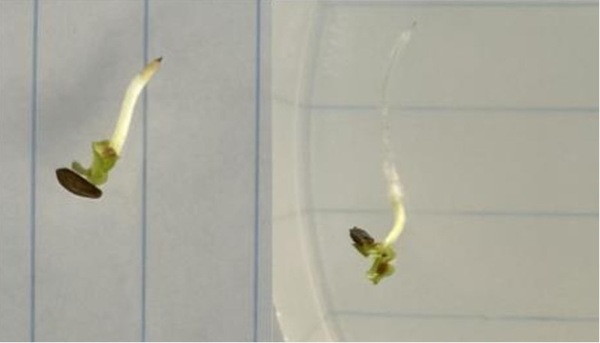
Microplastic pollution is a pressing environmental issue, particularly in the context of its potential impacts on ecosystems and human health. In this study, we explored the ability of plants, specifically those cultivated for human consumption, to absorb microplastics from their growing medium. We found no evidence of microplastic absorption in both intact and mechanically damaged roots. This outcome suggests that microplastics larger than 10 μm may not be readily absorbed by the root systems of leafy crops such as lettuce (L. sativa).
Read More...Genetic algorithm based features selection for predicting the unemployment rate of India

The authors looked at using genetic algorithms to look at the Indian labor market and what features might best explain any variation seen. They found that features such as economic growth and household consumption, among others, best explained variation.
Read More...How Ethanol Concentration Affects Catalase Catalysis of Hydrogen Peroxide
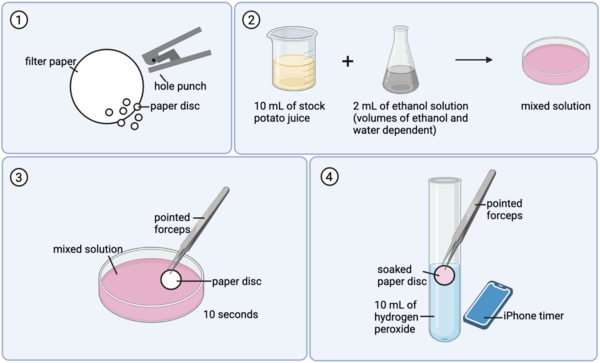
Catalase is a critical enzyme in the human body because it is capable of converting potentially dangerous hydrogen peroxide into water and oxygen. This work asks whether ethanol affects catalase activity, as alcohol consumption has been often linked to hepatitis occurring in the liver, where catalase level is especially high, and ethanol is known to be capable of denaturing proteins. Testing different concentrations of ethanol found that higher concentrations reduced the activity of catalase. This work has important implications on the negative effects of ethanol on metabolism, in which catalase plays an important role, and protein function more broadly.
Read More...Caffeine: Does Drinking Coffee Alter Performance and RPE Levels of a Teenage Athlete in both Aerobic and Anaerobic Exercises?
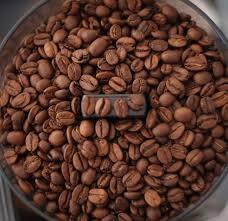
Caffeine is widely consumed across the globe and is most appreciated for its effects as a stimulant. Here the authors investigate whether caffeine consumption affects performance during endurance or strength training. Their results suggest that caffeine consumption enhances endurance training, but not strength training.
Read More...Glyphosate Levels in American Food Products Meet Government Safety Levels Yet Exceed Concentrations Associated with Negative Effects
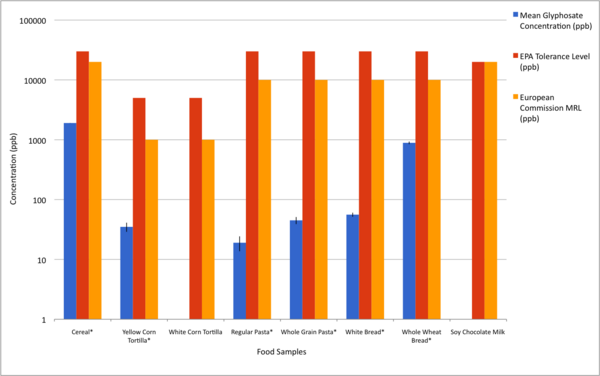
Glyphosate is the active ingredient in the herbicide Roundup, frequently used in the agricultural industry worldwide. Current literature reveals contradictory findings regarding the effects of glyphosate on vertebrates, leading to concerns about human consumption and differing views on safety levels. Here, authors sought to measure glyphosate levels in common commercially available food products. While some product levels exceed the thresholds at which negative effects have been observed, none exceed government limits.
Read More...The Effects of Antioxidants on the Climbing Abilities of Drosophila melanogaster Exposed to Dental Resin
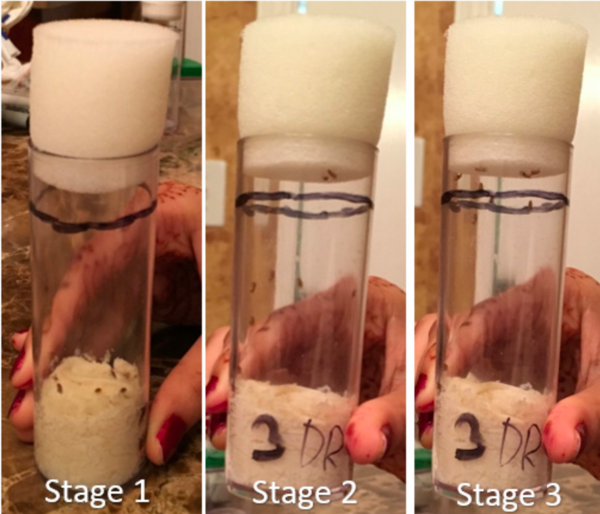
Dental resins can be a source of reactive oxygen species (ROS) which in unruly amounts can be toxic to cellular and overall health. In this report, the authors test whether the consumption of antioxidant rich foods like avocado and asparagus can protect against the effect of dental resin-derived ROS. However, rather than testing humans, they use fruit flies and their climbing abilities as an experimental readout.
Read More...