Browse Articles

Development of selective RAC1/KLRN inhibitors

Kubrat Neczaj-Hruzewicz et al. | Nov 04, 2024

Development of selective RAC1/KLRN inhibitors

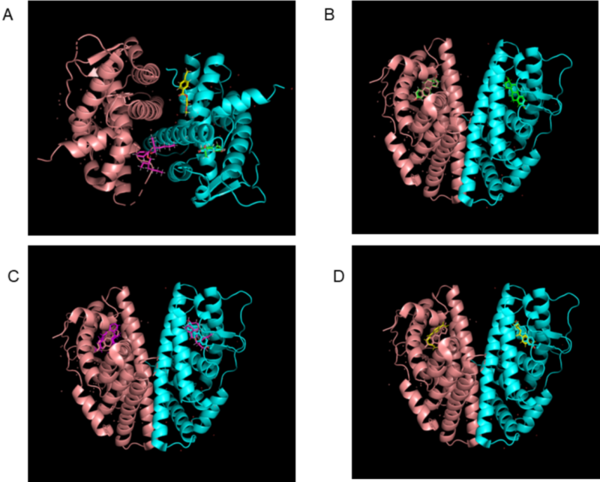
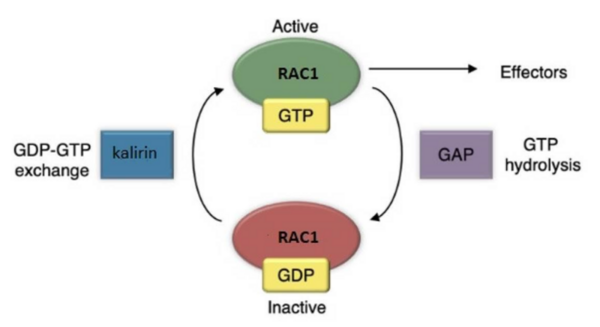
Kalirin is a guanine nucleotide exchange factor (GEF) for the GTPase RAC1, linked to schizophrenia and Alzheimer’s Disease. It plays a crucial role in synaptic plasticity by regulating dendritic spine formation and actin cytoskeleton remodeling, which are essential for creating new synapses. Authors developed two novel compounds targeting kalirin, confirming that predictive modeling can indicate biological activity.

Read More...

Artificial Intelligence-Based Smart Solution to Reduce Respiratory Problems Caused by Air Pollution

Bhardwaj et al. | Dec 14, 2021

Artificial Intelligence-Based Smart Solution to Reduce Respiratory Problems Caused by Air Pollution

In this report, Bhardwaj and Sharma tested whether placing specific plants indoors can reduce levels of indoor air pollution that can lead to lung-related illnesses. Using machine learning, they show that plants improved overall indoor air quality and reduced levels of particulate matter. They suggest that plant-based interventions coupled with sensors may be a useful long-term solution to reducing and maintaining indoor air pollution.

Read More...

Understanding the correlation between various pollutants and cancer across geographical clusters in the U.S.

Naik et al. | Sep 12, 2026

Understanding the correlation between various pollutants and cancer across geographical clusters in the U.S.

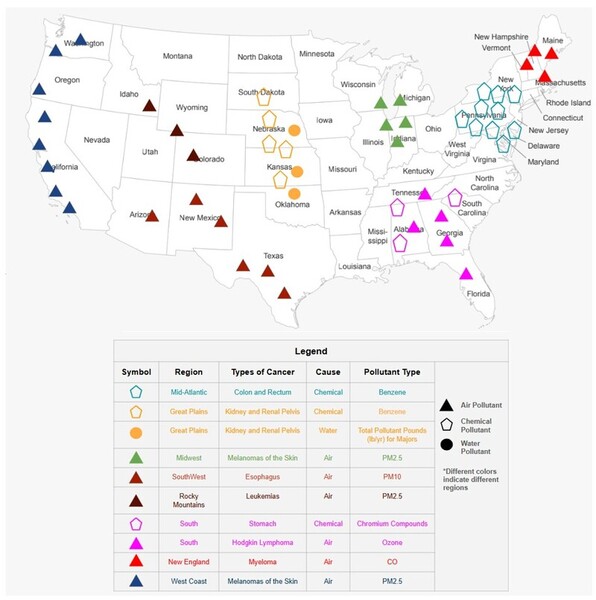
Here the authors investigate the relationship between environmental pollutants and cancer incidence rates across various geographical clusters in the United States from 2018 to 2020. By calculating Pearson correlation coefficients and t-statistics on CDC and EPA data, they demonstrated a strong correlation between specific pollutants and various cancers, offering insights that could help explain regional disparities in cancer rates and aid in preventing premature deaths.

Read More...

Effects of urban traffic noise on the early growth and transcription of Arabidopsis thaliana

Kim et al. | Sep 18, 2024

Effects of urban traffic noise on the early growth and transcription of <i>Arabidopsis thaliana<i>

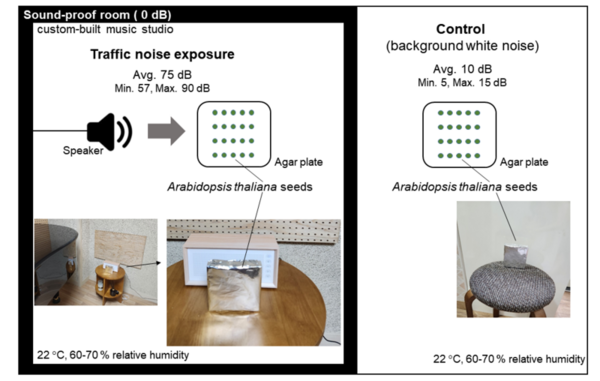
This article explores the largely unstudied impact of noise pollution on plant life. By exposing Arabidopsis thaliana seedlings to urban traffic noise, the study found a significant increase in seedling growth, alongside substantial changes in gene expression. This research reveals critical insights into how noise pollution affects plant physiology and contributes to a broader understanding of its ecological impacts, helping to guide future efforts in ecosystem conservation.

Read More...

Repulsion of Ants Using Non-Toxic Household Products

Ambati et al. | Sep 10, 2019

Repulsion of Ants Using Non-Toxic Household Products

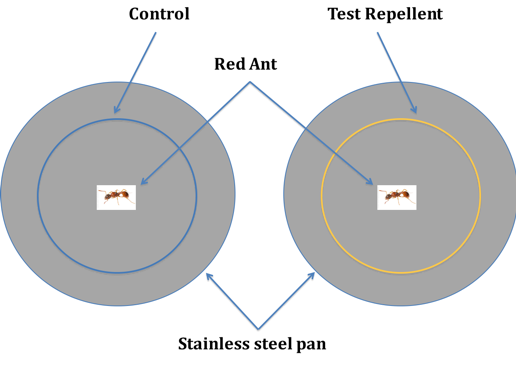
Ant invasion causes damage exceeding $5 billion annually in North America. In this study, Ambati and Duvvuri aim to identify natural products with ant-repelling properties using a custom ring apparatus designed to quantify ant-repellence. They report that cinnamon and lemon were the most effective ant repellents of the tested products. These data suggest that compounds found in non-toxic household products, such as cinnamon oil and lemon juice, could be used in low-dose combinations as potent, effective, eco-friendly, and safe ant repellents.

Read More...

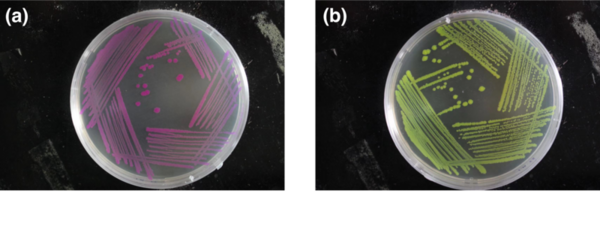
Green Tea Extract as an Environmentally Friendly Antibacterial Agent Against Pseudomonas syringae pv. tomato on Plants

Lo et al. | Oct 27, 2015

Green Tea Extract as an Environmentally Friendly Antibacterial Agent Against <i>Pseudomonas syringae pv. tomato </i>on Plants

Plant pathogens can cause significant crop loss each year, but controlling them with bactericides or antibiotics can be costly and may be harmful to the environment. Green tea naturally contains polyphenols, which have been shown to have some antimicrobial properties. In this study, the authors show that green tea extract can inhibit growth of the plant pathogen Pseudomonas syringae pv. tomato and may be useful as an alternative bactericide for crops.

Read More...