Browse Articles

Tomato disease identification with shallow convolutional neural networks

Trinh et al. | Mar 03, 2023

Tomato disease identification with shallow convolutional neural networks

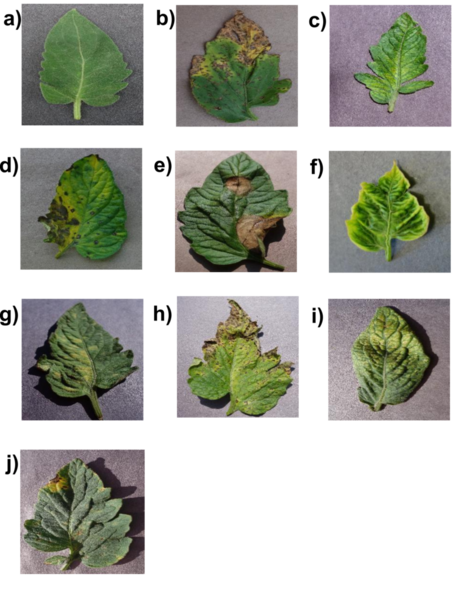
Plant diseases can cause up to 50% crop yield loss for the popular tomato plant. A mobile device-based method to identify diseases from photos of symptomatic leaves via computer vision can be more effective due to its convenience and accessibility. To enable a practical mobile solution, a “shallow” convolutional neural networks (CNNs) with few layers, and thus low computational requirement but with high accuracy similar to the deep CNNs is needed. In this work, we explored if such a model was possible.

Read More...

Reducing Crop Damage Caused by Folsomia candida by Providing an Alternate Food Source

Tamura et al. | May 28, 2018

Reducing Crop Damage Caused by Folsomia candida by Providing an Alternate Food Source

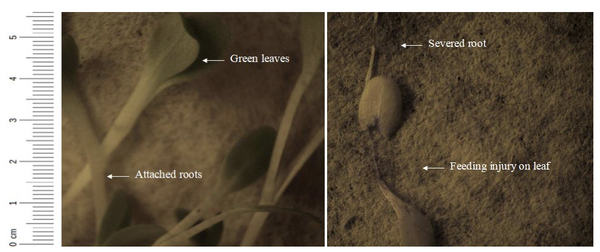
Tamura and Moché found that Folsomia candida, a common crop pest, prefers to consume yeast instead of lettuce seedlings. The authors confirmed that even with the availability of both lettuce seedlings and yeast in the same dish, Folsomia candida preferred to eat the yeast, thereby reducing the number of feeding injuries on the lettuce seedlings. The authors propose that using this preference for yeast may be a way to mitigate crop damage by this pest.

Read More...

Importance of pay on job satisfaction

Ravi et al. | Mar 25, 2025

Importance of pay on job satisfaction

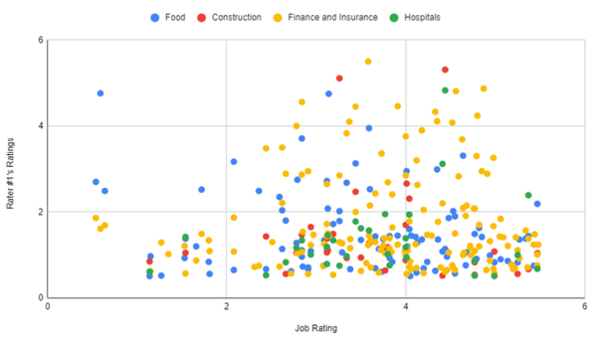
Pay is a widely debated factor in workplace motivation, influencing both incentives and job satisfaction. This work analyzed employee reviews across various industries to examine the relationship between pay importance and job satisfaction. Findings suggest that job satisfaction decreases as the importance of pay increases, particularly in construction, food, and finance industries, as well as among entry-level and experienced workers, though the results were not statistically significant.

Read More...

Using economic indicators to create an empirical model of inflation

Kasera et al. | Dec 01, 2022

Using economic indicators to create an empirical model of inflation

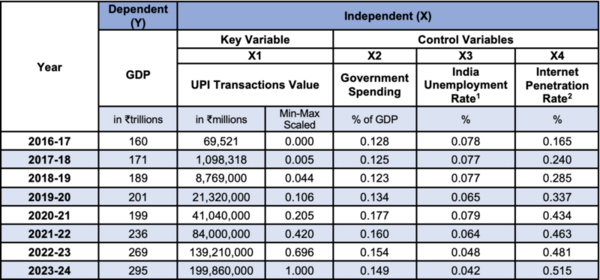
Here, seeking to understand the correlation of 50 of the most important economic indicators with inflation, the authors used a rolling linear regression to identify indicators with the most significant correlation with the Month over Month Consumer Price Index Seasonally Adjusted (CPI). Ultimately the concluded that the average gasoline price, U.S. import price index, and 5-year market expected inflation had the most significant correlation with the CPI.

Read More...