Browse Articles

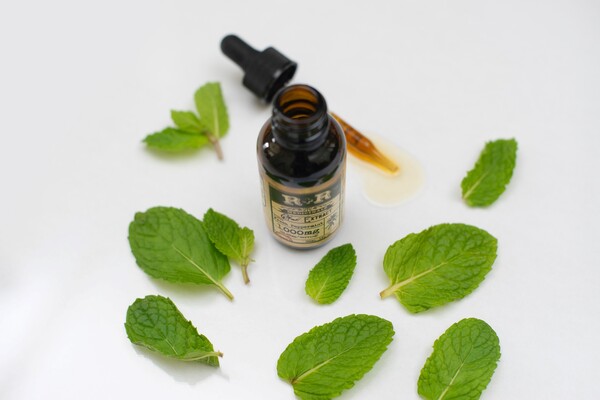
Herbal Extracts Alter Amyloid Beta Levels in SH-SY5Y Neuroblastoma Cells

Xu et al. | Feb 25, 2020

Herbal Extracts Alter Amyloid Beta Levels in SH-SY5Y Neuroblastoma Cells

Alzheimer’s disease (AD) is a type of dementia that affects more than 5.5 million Americans, and there are no approved treatments that can delay the advancement of the disease. In this work, Xu and Mitchell test the effects of various herbal extracts (bugleweed, hops, sassafras, and white camphor) on Aβ1-40 peptide levels in human neuroblastoma cells. Their results suggest that bugleweed may have the potential to reduce Aβ1-40 levels through its anti-inflammatory properties.

Read More...
Relationship between p62 and learning behavior in male and female mice deficient in hippocampal folliculin

Guvenir et al. | Jun 10, 2025

Relationship between p62 and learning behavior in male and female mice deficient in hippocampal folliculin
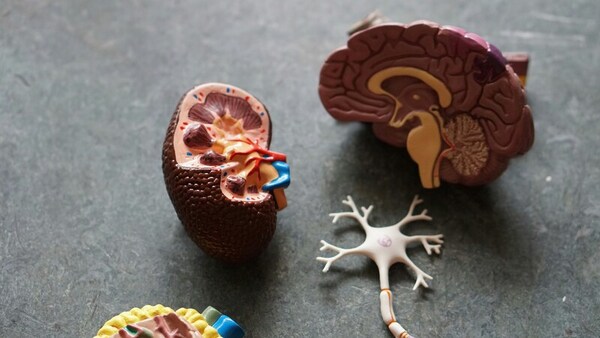
Image credit: Robina Weermeijer

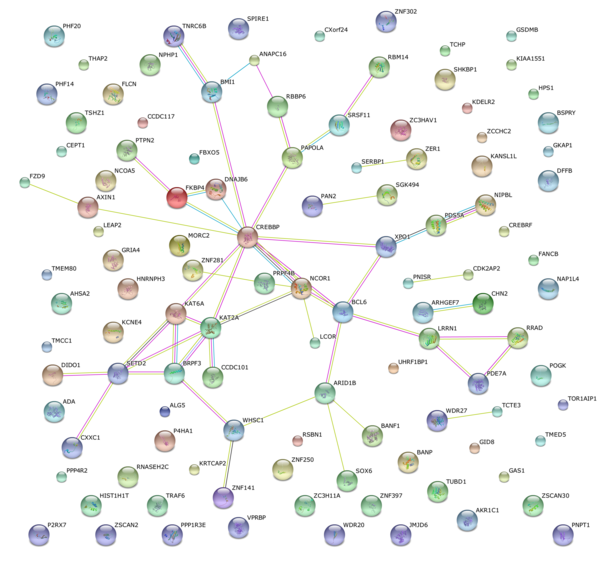
Here the authors hypothesized that reducing folliculin (FLCN) might affect p62 protein levels in the dorsal hippocampus of mice, given their potential functional connection and p62's role in neurodegenerative diseases. Their study, using western blots and a two-way ANOVA on young wild-type mice, found that p62 levels correlated with FLCN expression, but ultimately concluded there's no evidence of a functional connection between FLCN and p62 in this specific model.

Read More...

OTGP: An innovative biometric authentication system with on-the-go passwords using a novel typing signature

Shirodkar et al. | Jun 08, 2026

OTGP: An innovative biometric authentication system with on-the-go passwords using a novel typing signature
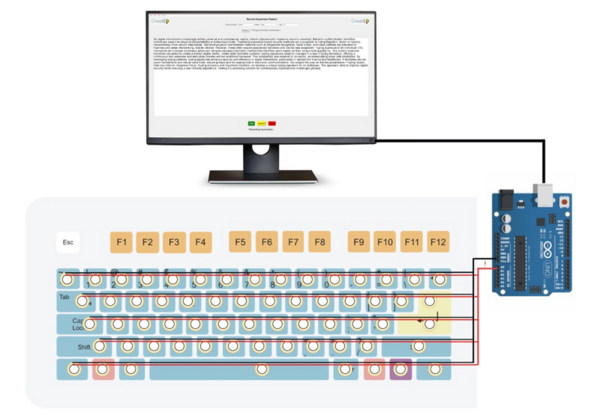
Image credit: Shirodkar and Balasubramanian

This manuscript describes a new method of on-the-go passwords using typing characteristics. The authors developed a keyboard and keystroke recording setup and tested it with 30 participants. The results indicated the five chosen parameters are distinct across participants yet consistent across time for each participant, making it a plausible candidate for a behavior-based password system.

Read More...