Browse Articles

The correlation between bacteria and colorectal cancer

Zhang et al. | Oct 21, 2024

The correlation between bacteria and colorectal cancer

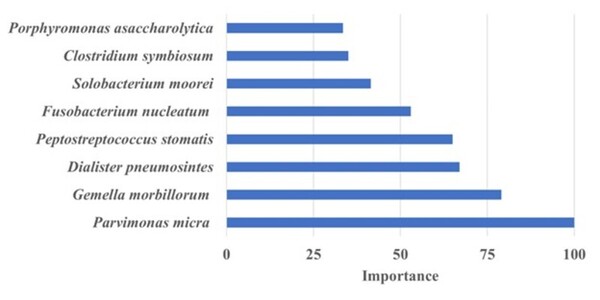
The authors looked at abundance of bacteria in stool samples from patients with colorectal cancer compared to controls. They found different bacteria that was more prevalent in patients with colorectal cancer as well as bacteria in control patients that may indicate a beneficial gut microbiome.

Read More...

Analysis of ultraviolet light as a bactericide of gram-negative bacteria in Cladophora macroalgae extracts

Newell et al. | Nov 07, 2022

Analysis of ultraviolet light as a bactericide of gram-negative bacteria in <em>Cladophora</em> macroalgae extracts

Here, the authors sought to use Cladophora macroalgae as a possible antibiotic to address the growing threat of antibiotic resistance in pathogenic bacteria. However, when they observed algae extracts to be greatly contaminated with gram-negative bacteria, they adapted to explore the ability to use ultraviolet light as a bactericide. They found that treatment with ultraviolet light had a significant effect.

Read More...

Evaluating Biomarkers and Treatments for Acute Kidney Injury in a Zebrafish Model

Mathew et al. | Aug 11, 2019

Evaluating Biomarkers and Treatments for Acute Kidney Injury in a Zebrafish Model

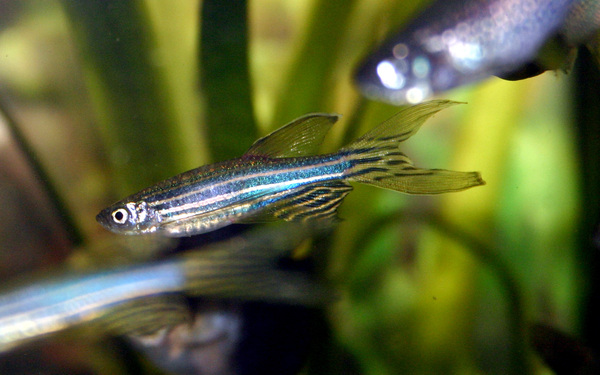
Coronary Artery Disease (CAD) is the leading cause of death in the United States, and 81% of Acute Kidney Injury (AKI) patients in the renal fibrosis stage later develop CAD. In this study, Mathew and Joykutty aimed to create a cost-effective strategy to treat AKI and thus prevent CAD using a model of the zebrafish, Danio rerio. They first tested whether AKI is induced in Danio rerio upon exposure to environmental toxins, then evaluated nitrotyrosine as an early biomarker for toxin-induced AKI. Finally, they evaluated 4 treatments of renal fibrosis, the last stage of AKI, and found that the compound SB431542 was the most effective treatment (reduced fibrosis by 99.97%). Their approach to treating AKI patients, and potentially prevent CAD, is economically feasible for translation into the clinic in both developing and developed countries.

Read More...