In the modern world, communication and mobility are no longer obstacles. A natural consequence is that people from all over the world are mixing like never before and national identity can no longer be determined simply by a person's appearance or manner of speech. In this article, the authors study how a person's accent interferes with the perception of a their national identity and proposes ways to eliminate such biases.
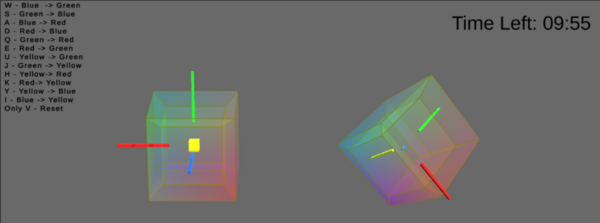
The authors looked at the ability subjects to rotation a 4D cube and how the ability to practice cube rotation impact their ability to understand 4D space.
Powered by the sociological framework that exposure to television bleeds into social biases, limiting media representation of women and minority groups may lead to real-world implications and manifestations of racial and gender disparities. To address this phenomenon, the researchers in this article take a look at primetime fictional representation of minorities and women as lawyers and physicians and compare television representation to census data of the same groups within real-world legal and medical occupations. The authors maintain the hypothesis that representation of female and minority groups as television lawyers and doctors is lower than that of their white male counterparts relative to population demographics - a trend that they expect to also be reflected in actual practice. With fictional racial and gender inequalities and corresponding real-world trends highlighted within this article, the researchers call for address towards representation biases that reinforce each other in both fictional and non-fictional spheres.
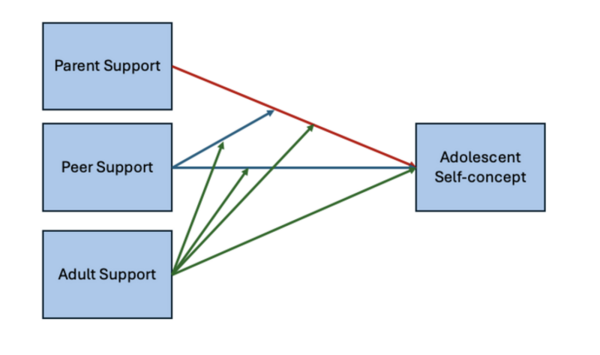
Adolescence is a critical period for self-identity formation, heavily influenced by feedback from social networks. This research examined the interplay between social support from parents and peers and self-concept development in adolescents using data from the National Longitudinal Study of Adolescent to Adult Health. While individual support from parents and peers did not directly impact self-concept, their combined interaction significantly influenced it, highlighting the importance of various social supports in fostering healthy self-concept development and overall adolescent well-being.
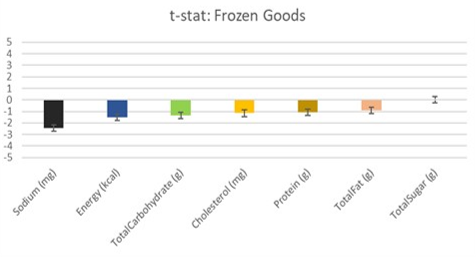
The authors compare nutritional content of foods found in Western versus Asian grocery stores to determine whether one cultural diet is healthier than the other.
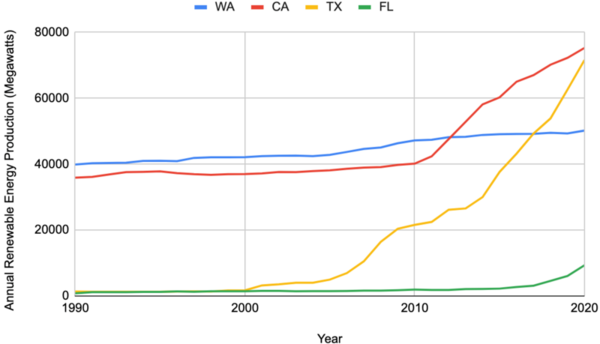
The authors compare rates of renewable energy adoption between states that historically vote for democrats versus republicans in presidential elections.
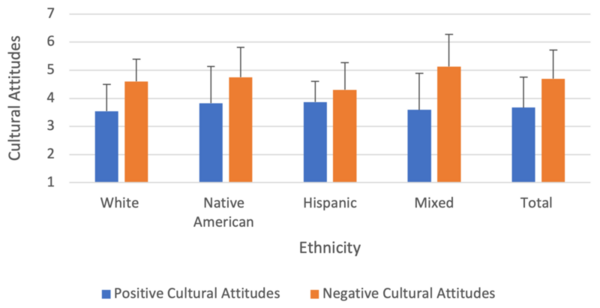
The authors looked at how a student's own background influence their attitude towards integration of diverse cultures and ethnicities. While overall students viewed other groups positively, the authors found that groups still indicated they felt judged by their peers.
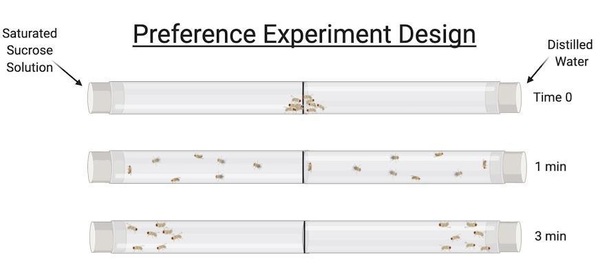
In this article, the authors investigate the effects of fungus E. muscae on fruit fly behavior. More specifically, they investigate whether this fungus affects olfaction. Their findings contribute to a broader set of studies seeking to understand how host's central nervous systems can be affected by infections.
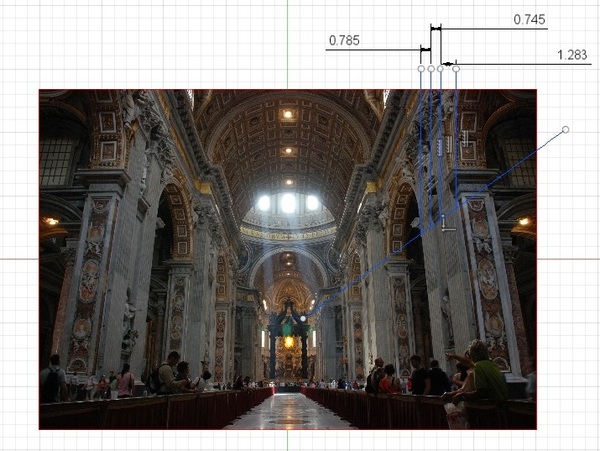
Here the authors investigate whether there are mathematical inaccuracies of perspective in artists' paintings that are undetectable with our naked eyes. Using the cross-ratio method, they find that there are three significant errors in various famous paintings which increase as the structures in the paintings recede from the viewer.
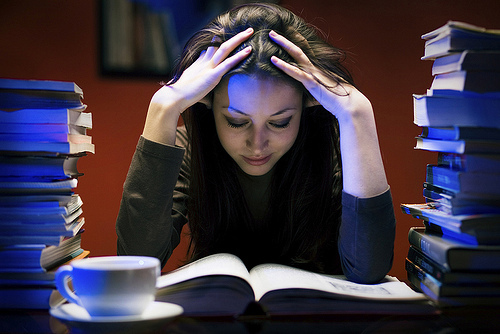
The authors investigate the negative effects stress has on teen mental and physical health. Through a survey, they give Virginia teens a voice in revising the Health and Physical Education curriculum to include a standards of learning (SOL). Notably they identify factors contributing to stress levels including homework level, amount of free and sleep time, parental pressure and family encouragement.