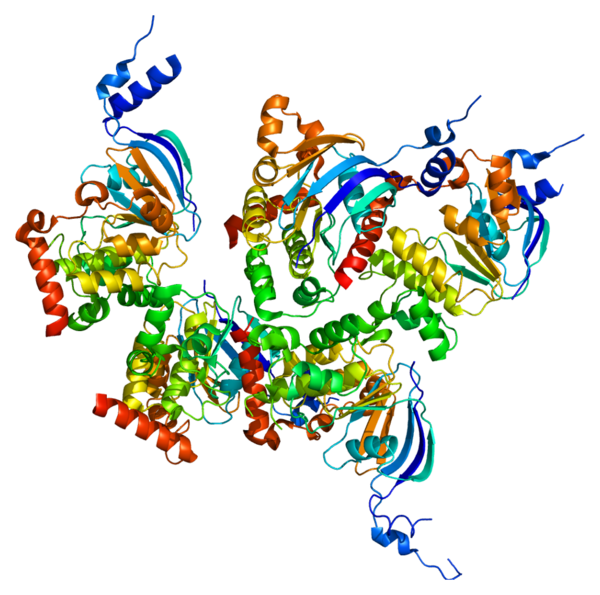
Cystic fibrosis is a genetic disease caused by mutations in the CFTR gene. In this paper, the authors attempt to identify variations in stretches of up to 8 nucleotides in the protein-coding portions of the CFTR gene that are associated with disease development. This would allow screening of newborns or even fetuses in utero to determine the likelihood they develop cystic fibrosis.
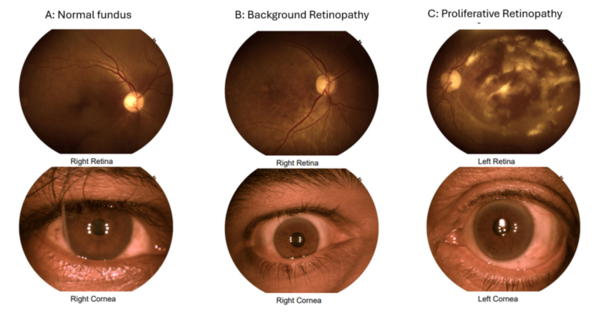
The purpose of our study was to examine the correlation of glycosylated hemoglobin (HbA1c), blood pressure (BP) readings, and lipid levels with retinopathy. Our main hypothesis was that poor glycemic control, as evident by high HbA1c levels, high blood pressure, and abnormal lipid levels, causes an increased risk of retinopathy. We identified the top two features that were most important to the model as age and HbA1c. This indicates that older patients with poor glycemic control are more likely to show presence of retinopathy.
Evidence suggests certain food preservatives may be genotoxic due to their ability to impair normal cellular pathways. The authors investigated the genotoxic potential and effects of commonly used synthetic food preservatives, specifically sodium nitrite, potassium sulfate, and hydrogen peroxide.
This study examined behavioral and psychological predictors of burnout among high school and university students in Pakistan using survey data and machine-learning models. Shorter sleep and greater mental fatigue—especially fatigue—were associated with higher burnout risk, while a Random Forest model successfully identified students at risk of burnout.
Image credit: Daehan Yi, Boughaleb Hassani and Ribeiro
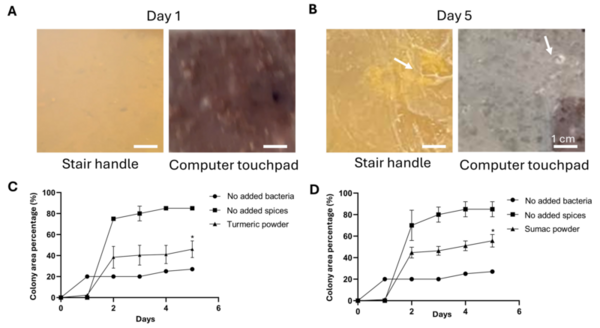
The study investigates the antibacterial properties of household spices on bacteria isolated from everyday objects, aiming to address the limited understanding of bacterial resilience on surfaces and the potential of spices as antibacterial agents. Researchers hypothesized that bacteria would grow faster on some surfaces than others and that spices like honey, chili powder, turmeric, and sumac would inhibit bacterial growth at varying rates. The findings suggest that household spices possess significant antibacterial properties and could be used as emergency disinfectants, particularly in under-resourced settings. However, they cannot replace medical treatments but offer insights into alternative health solutions using common ingredients.
In this article, Choi and Rossitto investigated the limitations of virtual learning by examining in-person dance learning compared to virtual dance learning while wearing EEG headsets. They found that in-person learners outperformed virtual learners and that virtual learners had higher mirror neuron activity as assessed by Mu rhythm power.
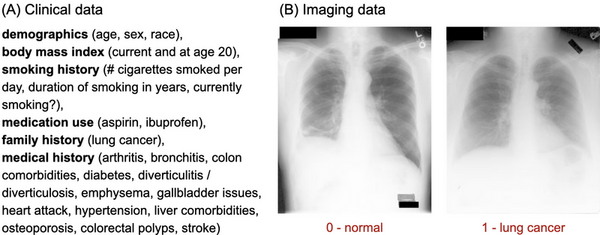
Lung cancer is highly fatal, largely due to late diagnoses, but early detection can greatly improve survival. This study developed three models to enhance early diagnosis: an MLP for clinical data, a CNN for imaging data, and a hybrid model combining both.

.jpg)