Browse Articles

The influence of implicit social pressure on prosocial behavior of adolescents

Carroll et al. | Dec 13, 2021

The influence of implicit social pressure on prosocial behavior of adolescents

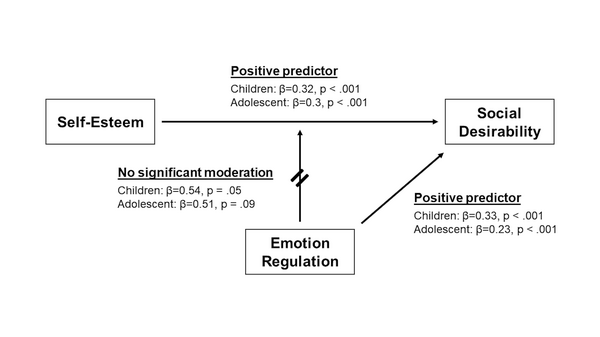
In this study the authors sought to understand the influence of implicit social pressure on prosocial behavior (voluntary acts that benefit someone else) in adolescents age 12–19. They considered how participants divided money between themselves and four teammate they did a school project with. Despite being shown examples of how to divide money (social pressure), their results showed that both boys and girls were unaffected by prosocial, neutral, and antisocial pressures.

Read More...

Environmental, Social, and Governance (ESG) Standards and Financial Performance in Vietnam’s Media Sector

Nguyen et al. | Jul 29, 2026

Environmental, Social, and Governance (ESG) Standards and Financial Performance in Vietnam’s Media Sector
Image credit: Nguyen, Tran, Pham, and Nguyen

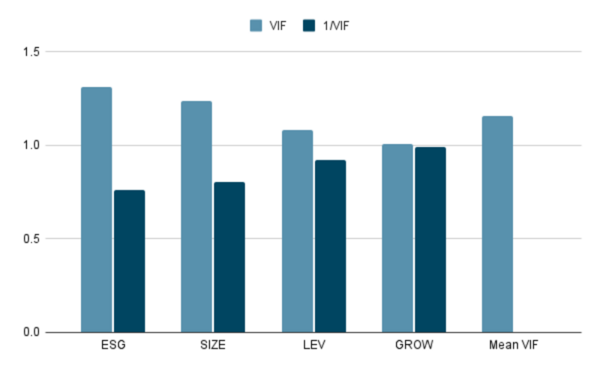
In this study, the authors examine the relationship between ESG (Environmental, Social, and Governance) factors on financial performance of Vietnamese media companies, as measured by ROA and ROE. They find that ESG is positively correlated with financial performance, as is sales growth. They also find that financial leverage is negatively correlated with ROA. Overall, this is a quality study, although the methods section requires more detail.

Read More...

Impact of study partner status and group membership on commitment device effectiveness among college students

Gupta et al. | Jun 03, 2022

Impact of study partner status and group membership on commitment device effectiveness among college students

Here seeking to identify a possible solution to procrastination among college students, the authors used an online experiment that involved the random assignment of study partners that they shared their study time goal with. These partners were classified by status and group membership. The authors found that status and group membership did not significantly affect the likelihood of college students achieving their committed goals, and also suggest the potential of soft commitment devices that take advantage of social relationships to reduce procrastination.

Read More...