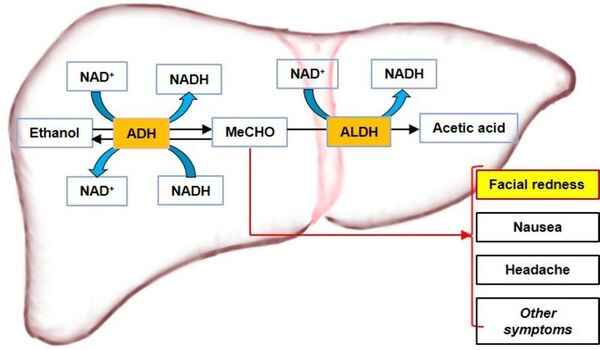
The authors test the activity of two purified human alcohol detoxification enzymes, alcohol dehydrogenase and aldehyde dehydrogenase.
Read More...Recombinant preparation and characterization of ADH1C and ALDH2 in alcohol metabolism
The authors test the activity of two purified human alcohol detoxification enzymes, alcohol dehydrogenase and aldehyde dehydrogenase.
Read More...The use of computer vision to differentiate valley fever from lung cancer via CT scans of nodules
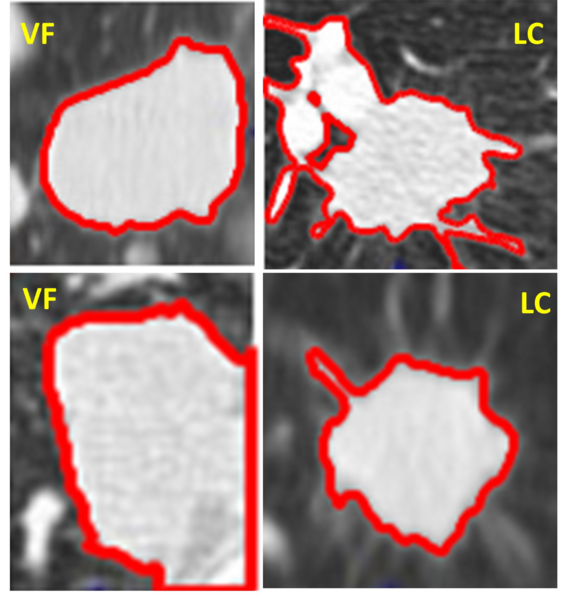
Pulmonary diseases like lung cancer and valley fever pose serious health challenges, making accurate and rapid diagnostics essential. This study developed a MATLAB-based software tool that uses computer vision techniques to differentiate between these diseases by analyzing features of lung nodules in CT scans, achieving higher precision than traditional methods.
Read More...English learner status in Florida public schools is correlated with significantly lower graduation rates
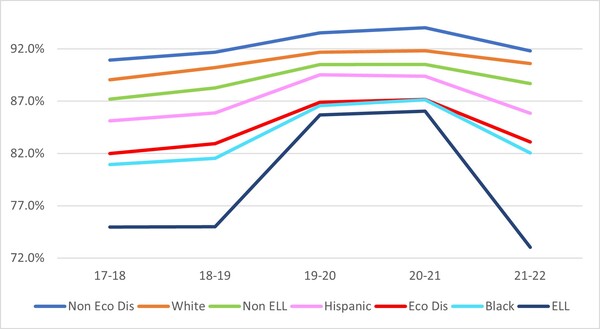
The authors explore factors affecting graduation rates of students learning English as a second language across Florida counties.
Read More...A natural language processing approach to skill identification in the job market
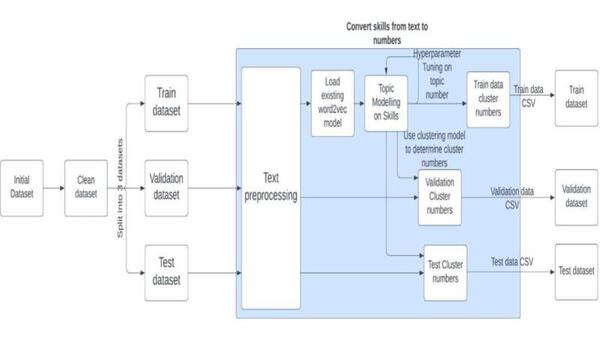
The authors looked at using machine learning to identify skills needed to apply for certain jobs, specifically looking at different techniques to parse apart the text. They found that Bidirectional Encoder Representation of Transforms (BERT) performed best.
Read More...Upward social comparison on standardized test performance in adolescents and adults
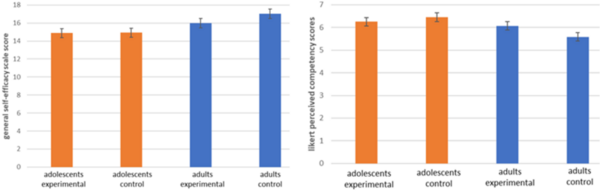
The authors test the effect of test score comparison on the self-efficacy of adolescents versus adults.
Read More...Antibacterial activity of homemade Indian tomato tamarind soup (rasam) against common pathogens
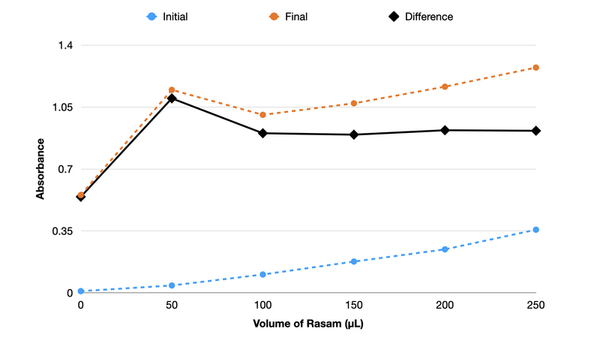
Systematic consumption of traditional foods is a popular way of treating diseases in India. Rasam, a soup of spices and tomato with a tamarind base, is a home remedy for viral infections such as the common cold. Here, we investigate if rasam, prepared under household conditions, exhibits antibacterial activity against Escherichia coli and Staphylococcus aureus, two common pathogenic bacteria. Our results show rasam prepared under household conditions lacks antibacterial activity despite its ingredients possessing such properties.
Read More...SOS-PVCase: A machine learning optimized lignin peroxidase with polyvinyl chloride (PVC) degrading properties
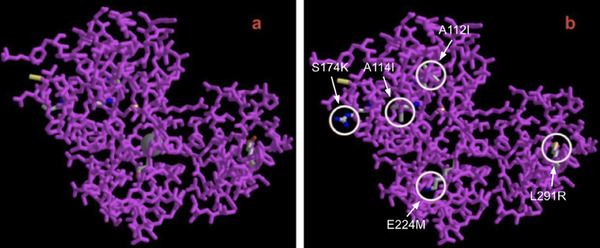
The authors looked at the primary structure of lignin peroxidase in an attempt to identify mutations that would improve both the stability and solubility of the peroxidase protein. The goal is to engineer peroxidase enzymes that are stable to help break down polymers, such as PVC, into monomers that can be reused instead of going to landfills.
Read More...The impact of culturally informed music therapy on visually impaired youth: A Jaffna, Sri Lanka study

The authors looked at the effect of music therapy on visually impaired youth. They found that culturally relevant curricula is an important consideration while also showing that broadly music therapy enhances working memory, emotional well-being and inhibitory control.
Read More...Comparison of total flavonoid content and DPPH● sequestration in Arabica, Robusta, and Liberica coffee beans
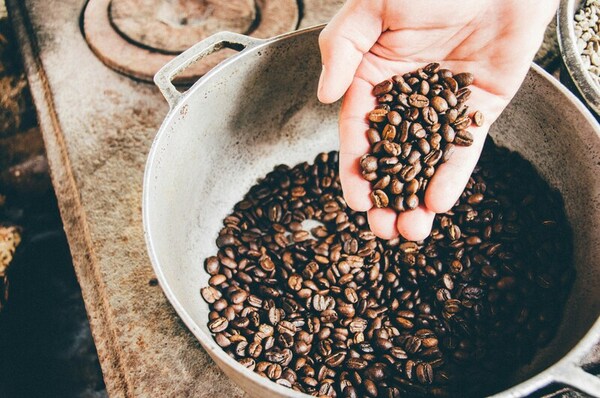
Here the authors used a free radical assay to characterize the antioxidant capacity of three types of coffee beans. They fond that Robusta coffee presented greater inhibition percentages than other species in their free radical assay, indicating higher antioxidant capacity.
Read More...Effects of noise on information corruption in the quantum teleportation algorithm
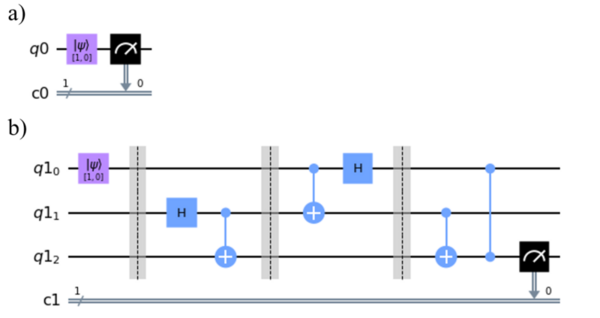
In quantum computing, noise disrupts experimental results, particularly affecting the quantum teleportation algorithm used to transfer qubit states. This study explores how noise impacts this algorithm across different platforms—a perfect simulation, a noisy simulation, and real hardware.
Read More...