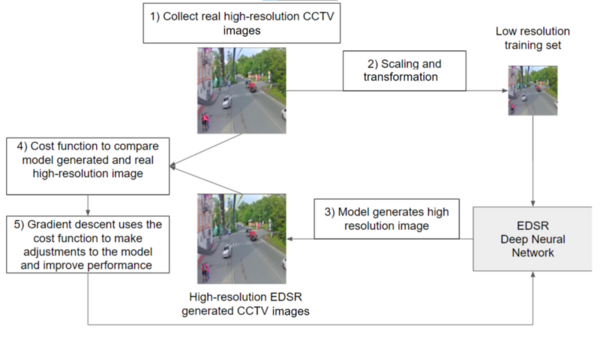
In this study, the authors hypothesized that closed-circuit television images could be stored with improved resolution by using enhanced deep residual (EDSR) networks.
Read More...Deep residual neural networks for increasing the resolution of CCTV images
In this study, the authors hypothesized that closed-circuit television images could be stored with improved resolution by using enhanced deep residual (EDSR) networks.
Read More...Pediatric probiotic culture survival study in acidic pH using an in vitro model
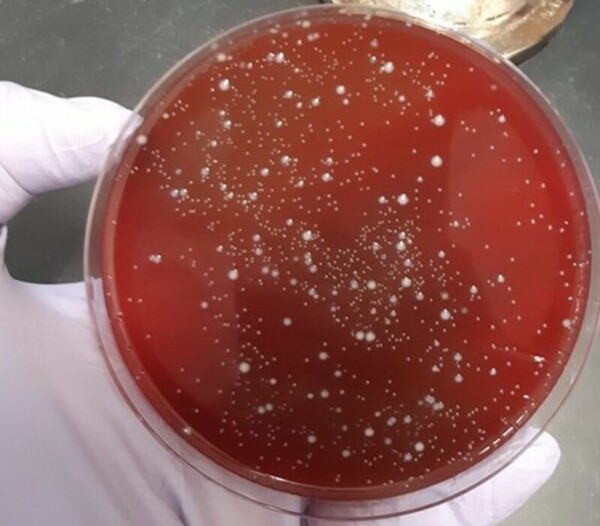
In this study, the authors investigate the effects of acidity on the survival of commercial probiotic Lovebug bacterial strains.
Read More...Prediction of preclinical Aβ deposit in Alzheimer’s disease mice using EEG and machine learning
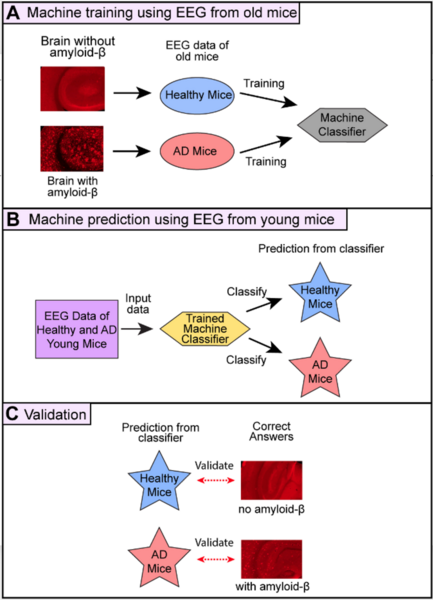
Alzheimer’s disease (AD) is a common disease affecting 6 million people in the U.S., but no cure exists. To create therapy for AD, it is critical to detect amyloid-β protein in the brain at the early stage of AD because the accumulation of amyloid-β over 20 years is believed to cause memory impairment. However, it is difficult to examine amyloid-β in patients’ brains. In this study, we hypothesized that we could accurately predict the presence of amyloid-β using EEG data and machine learning.
Read More...Managing CO2 levels through precipitation-based capture from seawater and electrochemical conversion
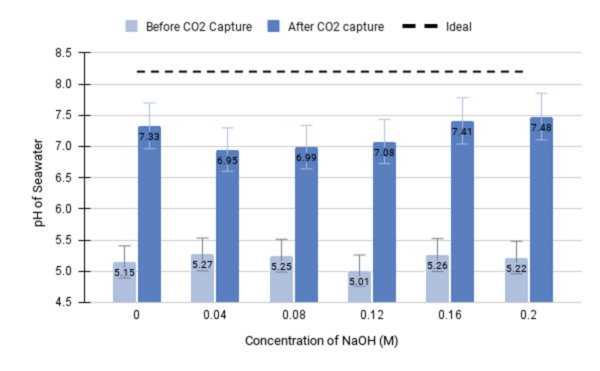
The authors set out to develop an electrochemical device that would have efficient and sustained carbon dioxide capture.
Read More...The effect of COVID-19 on the USA house market

COVID-19 has impacted the way many people go about their daily lives, but what are the main factors driving the changes in the housing market, particular house prices?
Read More...Analysis of professional and amateur tennis serves using computer pose detection
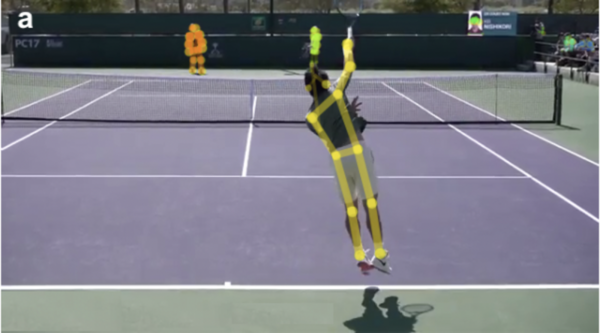
The authors looked at the dynamics of tennis serves from professional and amateur athletes.
Read More...Survey of medication disposal: Patient views and awareness

The authors investigate how improper disposal of medication can be mitigated through community education efforts.
Read More...Cocktail therapy to inhibit multispecies biofilm in cystic fibrosis patients
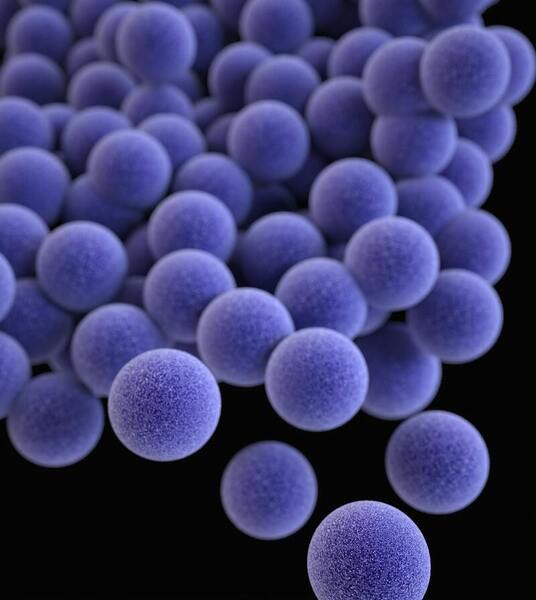
Here, recognizing the important role of bacterial biofilms in many life-threatening chronic infections, the authors investigated the effectiveness of a combination treatment on biofilms composed of up to three different common species within the lungs of cystic fibrosis patients with computational analysis. They found that a triple cocktail therapy targeting three different signaling pathways has significant potential as both a treatment and prophylaxis.
Read More...Comparing the effects of electronic cigarette smoke and conventional cigarette smoke on lung cancer viability

Here, recognizing the significant growth of electronic cigarettes in recent years, the authors sought to test a hypothesis that three main components of the liquid solutions used in e-cigarettes might affect lung cancer cell viability. In a study performed by exposing A549 cells, human lung cancer cells, to different types of smoke extracts, the authors found that increasing levels of nicotine resulted in improve lung cancer cell viability up until the toxicity of nicotine resulted in cell death. They conclude that these results suggest that contrary to conventional thought e-cigarettes may be more dangerous than tobacco cigarettes in certain contexts.
Read More...A computational quantum chemical study of fluorinated Allopurinol
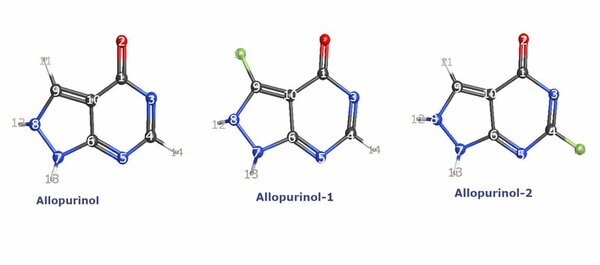
In this study, the impact of fluorination of heterocyclic drug Allopurinol on its stability and other chemical properties is investigated.
Read More...