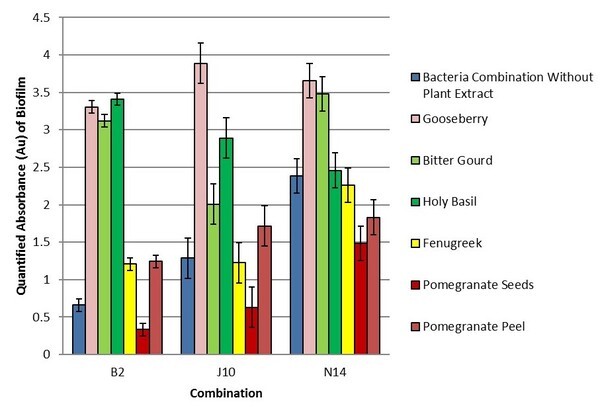
This study aimed to obtain an optimal non-antibiotic method to suppress the growth of pathogenic bacteria within the body. The two-fold purpose of this project was to determine which combination of bacteria would result in the most biofilm formation and then to assess the effect of ayurvedic plant extracts on the biofilm. The results show that the addition of a plant extract can affect the biofilm growth of a bacteria combination. The applications of this study can be used to design probiotic supplements with added beneficial plant extracts.
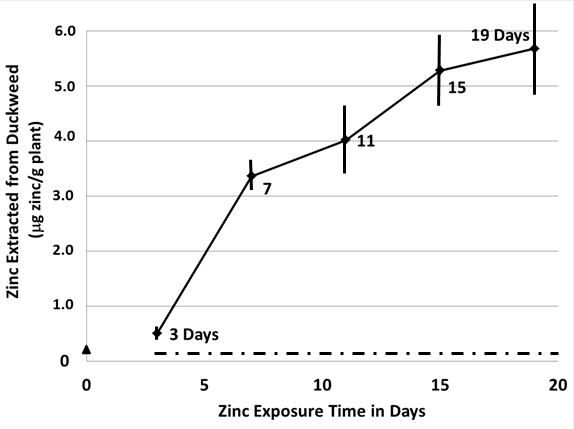
Duckweed plays an important role in its aquatic environment by removing pollutants, such as zinc, from the water. In this study, the authors demonstrate that uptake of zinc by duckweed is inhibited by the presence of oil in the water, but this effect can be reversed with the addition of a dispersing agent.
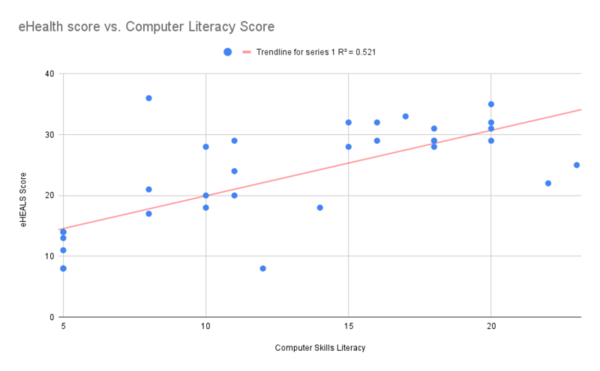
As digital tools become more prevalent in medicine, the ability for individuals to understand and take actions based on what they read on the internet is crucial. eHealth literacy is defined as as the ability to seek, find, understand, and evaluate health information from electronic sources and apply the knowledge gained to addressing or solving a health problem. In general, Americans have low eHealth literacy rates. However, limited research has been conducted to understand the eHealth literacy level among older Chinese adult immigrants in the U.S. To determine the eHealth literacy of elderly Chinese immigrants, we sent out an eHealth survey and relevant computer skills survey using a modified version of the eHEALS (eHealth Literacy Scale) health literacy test. We hypothesized that elders who consumed more electronic health content would have a higher eHealth literacy score. The results of this survey showed that there was a positive correlation between the frequency of electronic health information consumption and the participant's eHealth literacy rate. In addition, the results of our computer literacy test show that the frequency of consumption and computer literacy are positively correlated as well. There is a strong positive correlation between the level of computer skills and eHealth literacy of participants. These results reveal possible steps individuals can take to reduce health misinformation and improve their own health by attaining, understanding, and taking action on health material on the internet.
Here the authors investigated the potential of plant-derived smoke water to mitigate the negative impacts of abiotic stressors, such as heat, salinity, and water fluctuations, on the germination and growth of various agricultural crops. Their findings suggest that smoke water, specifically from buckwheat, pea, and radish, significantly improves plant resilience against drought and excessive water stress, offering a viable strategy to bolster food security in the face of climate change.
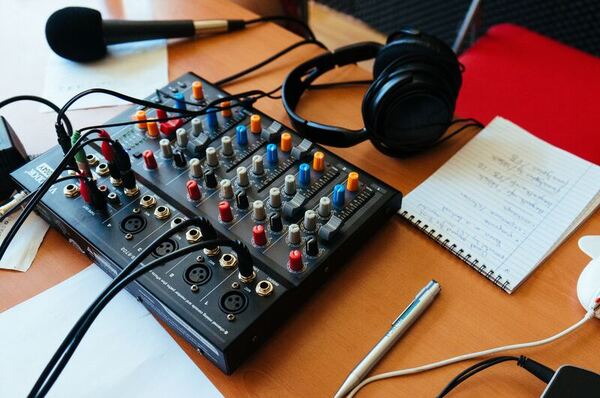
Here, the authors investigated methods to reduce noise in audio composed of real-word sounds. They specifically used two spectral subtraction noise reduction algorithms: stationary and non-stationary finding notable differences in noise improvements depending on the noise sources.
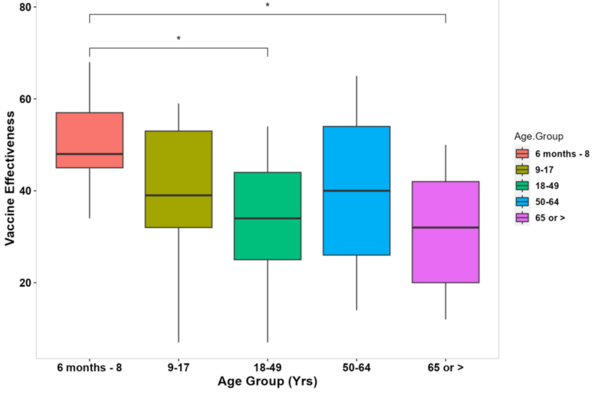
In this manuscript the authors looked at current vaccine strategies against different strains of influenza. Looking at several factors they found that influenza strain as well as vaccinated age group, among other factors, impact vaccine effectiveness.
Social media usage is predicted to impact teen well-being and emotional status. This study sought to assess the impact of teen technology usage on their social lives. Surveys of 8th and 9th graders were used to assess compare technology usage between males and females as well as and how social media usage impacts the perception of social environment at school.
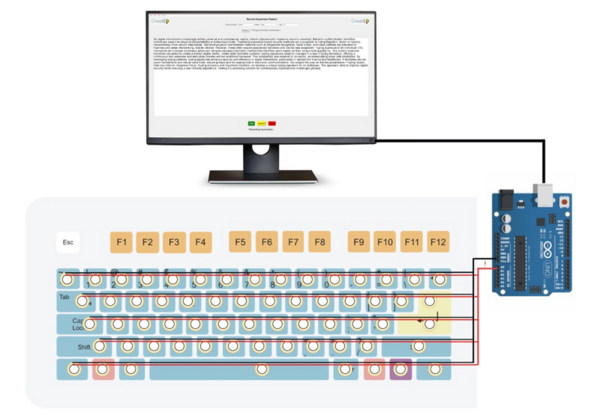
This manuscript describes a new method of on-the-go passwords using typing characteristics. The authors developed a keyboard and keystroke recording setup and tested it with 30 participants. The results indicated the five chosen parameters are distinct across participants yet consistent across time for each participant, making it a plausible candidate for a behavior-based password system.