.png)
To best identify tuberculosis and pneumonia diagnoses in chest x-rays, the authors compare different deep learning convolution neural networks.
Read More...Determining the best convolutional neural network for identifying tuberculosis and pneumonia in chest x-rays
To best identify tuberculosis and pneumonia diagnoses in chest x-rays, the authors compare different deep learning convolution neural networks.
Read More...Leveraging transfer learning with convolutional neural networks for cardiovascular disease detection
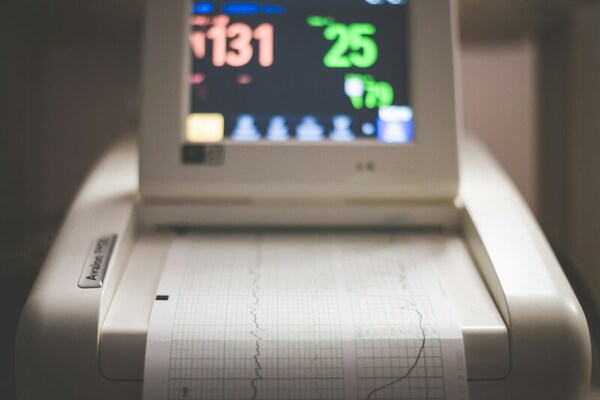
This study shows the efficacy of leveraging transfer learning, specifically from residual networks, to detect CVDs and possible signs of CVDs. The findings indicate that leveraging transfer learning from residual networks alongside medical professionals is a highly promising approach for CVD detection and diagnosis, warranting further investigation.
Read More...Using machine learning to understand social media discourse on the co-use of tobacco and cannabis
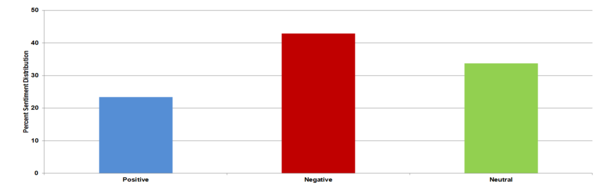
The authors used developed a machine learning tool for studying social media discourse surrounding use of tobacco and cannabis.
Read More...Cardiovascular Disease Prediction Using Supervised Ensemble Machine Learning and Shapley Values
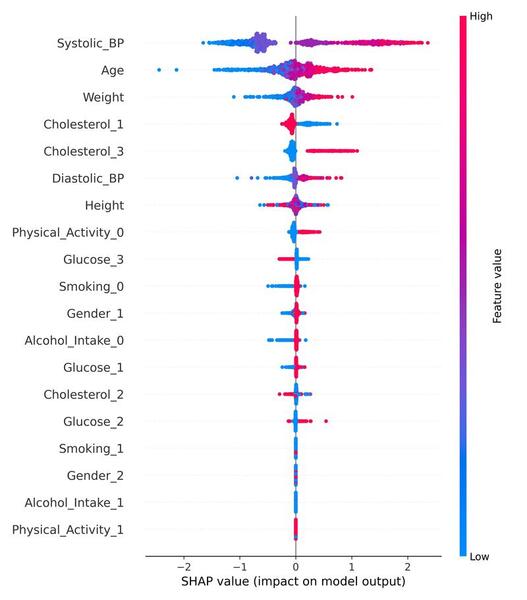
The authors test the effectiveness of machine learning to predict onset of cardiovascular disease.
Read More...Cleaning up the world’s oceans with underwater laser imaging

Here recognizing the growing amount of plastic waste in the oceans, the authors sought to develop and test laser imaging for the identification of waste in water. They found that while possible, limitations such as increasing depth and water turbidity result in increasing blurriness in laser images. While their image processing methods were somewhat insufficient they identified recent methods to use deep learning-based techniques as a potential avenue to viability for this method.
Read More...Deep residual neural networks for increasing the resolution of CCTV images
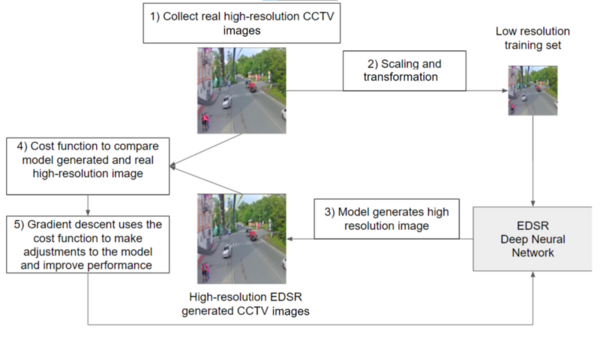
In this study, the authors hypothesized that closed-circuit television images could be stored with improved resolution by using enhanced deep residual (EDSR) networks.
Read More...Assessing machine learning model efficacy for brain tumor MRI classification: a multi-model approach
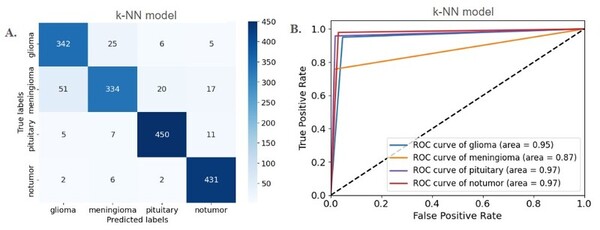
This manuscript explores the performance of five different machine learning models in classifying brain tumors from a dataset of MRI scans. The authors find that several of the models showed >90% accuracy. Thus, the authors suggest that machine learning models demonstrate potential for effective implementation in clinical settings, including as a diagnostic tool that can be used to complement the expertise of neuroradiologists.
Read More...Convolutional neural network-based analysis of pediatric chest X-ray images for pneumonia detection
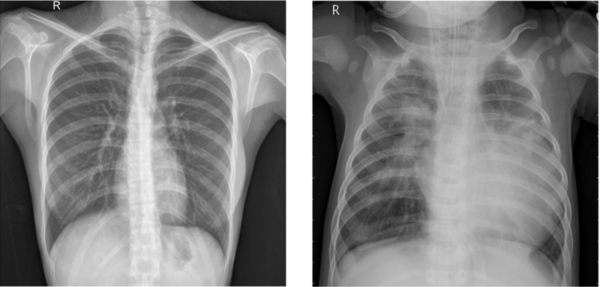
The authors test various machine learning models to improve the accuracy and efficiency of pneumonia diagnosis from X-ray images.
Read More...A natural language processing approach to skill identification in the job market
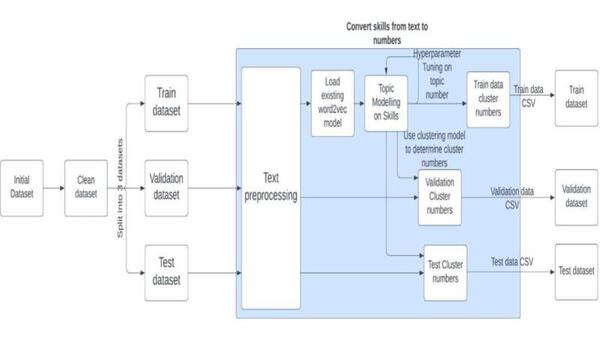
The authors looked at using machine learning to identify skills needed to apply for certain jobs, specifically looking at different techniques to parse apart the text. They found that Bidirectional Encoder Representation of Transforms (BERT) performed best.
Read More...Unlocking robotic potential through modern organ segmentation
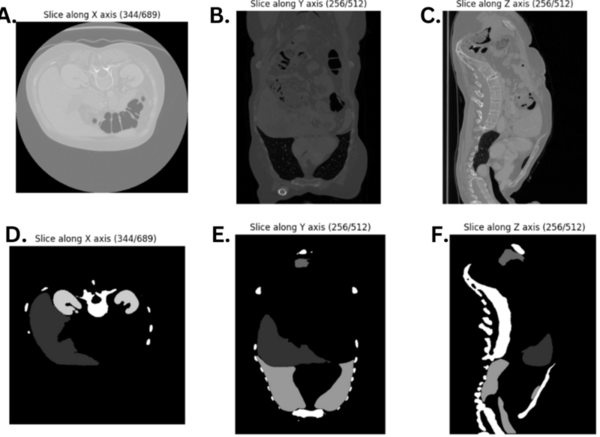
The authors looked at different models of semantic segmentation to determine which may be best used in the future for segmentation of CT scans to help diagnose certain conditions.
Read More...