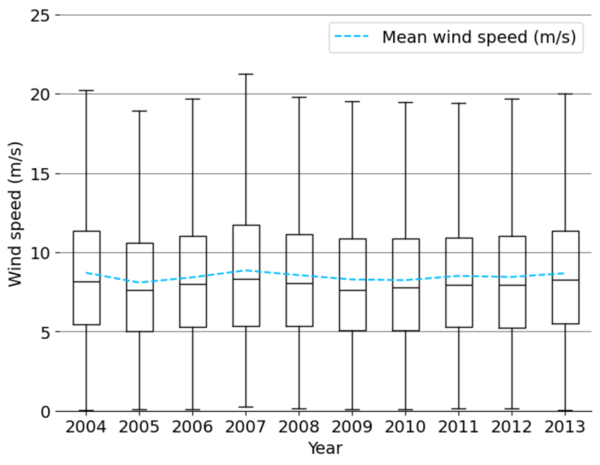
This study contributes to our understanding of how urban energy systems respond to climate variability and inform strategies for enhancing power grid resilience. The findings can help inform urban planners and infrastructure developers by identifying the factors that make regions within a power grid more vulnerable.
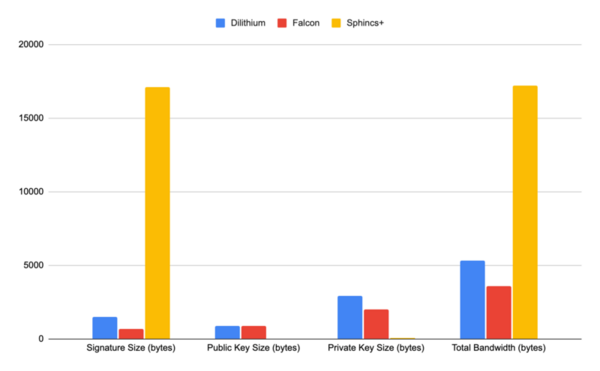
The advent of quantum computing will pose a substantial threat to the security of classical cryptographic methods, which could become vulnerable to quantum-based attacks. In response to this impending challenge, the field of post-quantum cryptography has emerged, aiming to develop algorithms that can withstand the computational power of quantum computers. This study addressed the pressing concern of classical cryptographic methods becoming vulnerable to quantum-based attacks due to the rise of quantum computing. The emergence of post-quantum cryptography has led to the development of new resistant algorithms. Our research focused on four quantum-resistant algorithms endorsed by America’s National Institute of Standards and Technology (NIST) in 2022: CRYSTALS-Kyber, CRYSTALS-Dilithium, FALCON, and SPHINCS+. This study evaluated the security, performance, and comparative attributes of the four algorithms, considering factors such as key size, encryption/decryption speed, and complexity. Comparative analyses against each other and existing quantum-resistant algorithms provided insights into the strengths and weaknesses of each program. This research explored potential applications and future directions in the realm of quantum-resistant cryptography. Our findings concluded that the NIST algorithms were substantially more effective and efficient compared to classical cryptographic algorithms. Ultimately, this work underscored the need to adapt cryptographic techniques in the face of advancing quantum computing capabilities, offering valuable insights for researchers and practitioners in the field. Implementing NIST-endorsed quantum-resistant algorithms substantially reduced the vulnerability of cryptographic systems to quantum-based attacks compared to classical cryptographic methods.
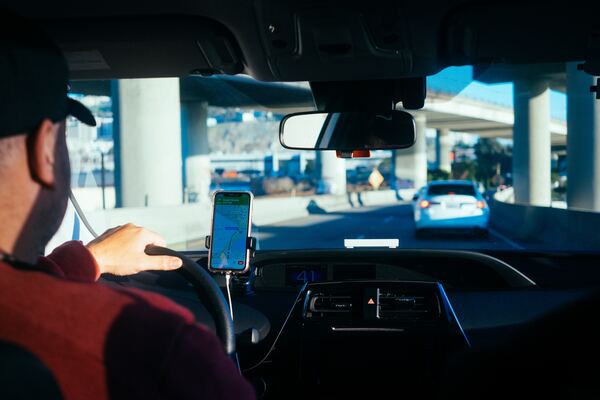
While some believe that ride-hailing services offer reduced CO2 emissions compared to individual driving, studies have found that driving without passengers on ride-hailing trips or "deadheading" prevents this. Here, with a mathematical model, the authors investigated if the use of electric vehicles as ride-hailing vehicles could offer reduced CO2 emissions. They found that the improved vehicle efficiency and cleaner generation could in fact lower emissions compared to the use of personal gas vehicles.
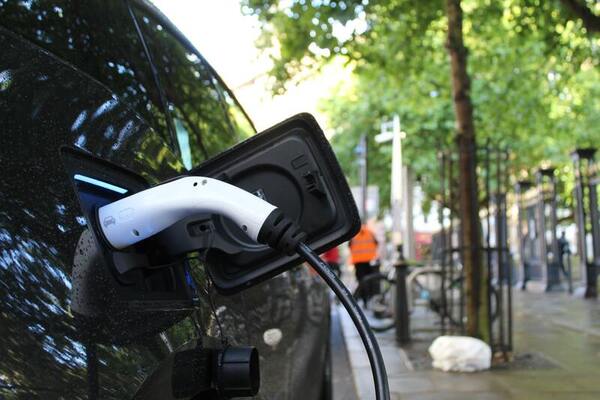
Here, the authors explored how the sale and use of electric vehicles could reduce emissions from the transport industry in Canada. By fitting the sale of total of electric vehicles with an exponential model, the authors predicted the number of electric vehicle sales through 2030 and related that to the average emission for such vehicles. Ultimately, they found that the sale and use of electric vehicles alone would likely not meet the 45% reduction in emissions from the transport industry suggested by the Canadian government
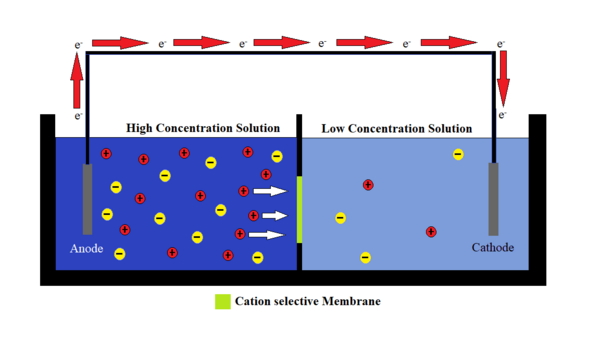
One largely untapped source of clean energy is the use of osmotic gradients where freshwater and saltwater are mixed, for example at estuaries. To harness such energy, charge-selective membranes are needed to separate the anions and cations in saltwater, establishing an electric potential like a battery. The objective of this study was twofold: to investigate the creation of the polymer matrix and test the properties of boron nitride nanotubes, as both are essential in the creation of an ion-selective membrane. Out of three polymer samples tested in this study, the mixture known as Soltech 704 showed the best resistance to etching, as well as the highest UV cure rate.
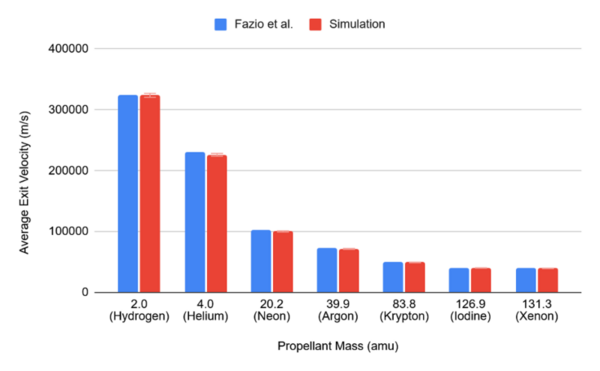
The authors used a particle-in-cell simulation to determine the effects on extensive and intensive metrics. They found that preliminary simulations could be run quickly with much lower particle counts before more technically demanding and comprehensive simulations are performed.
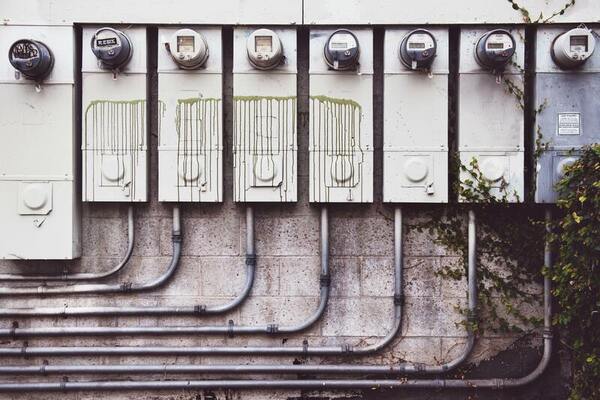
In this article the authors look at phantom loads of common kitchen appliances and found that the appliances looked at have a phantom load of 10.9%. Understanding phantom loads is important as it can reduce energy grid usage and energy bill costs for homeowners.
Lithium-ion batteries, a breakthrough in chemistry that enabled the electronic revolution we live today have become an essential part of our day-to-day life. A phone battery running out after a heavy day of use with limited opportunities for recharging is a well-known and resented experience by almost everyone. How then can we make batteries more efficient? This paper proposes the use of a different type of separator, that improves the charging and discharging capacities of lithium ions compared to the classical separator. This and similar attempts to improve Lithium-ion battery function could facilitate the development of higher-performance batteries that work longer and withstand harsher use.