In this study, the authors address the concerns of heavy metal contamination in industrial and feedlot water waste. They test whether added probiotics are capable of taking up heavy metals in water to attenuate pollution.
Read More...Probiotic biosorption as a way to remove heavy metal in seawater
In this study, the authors address the concerns of heavy metal contamination in industrial and feedlot water waste. They test whether added probiotics are capable of taking up heavy metals in water to attenuate pollution.
Read More...SOS-PVCase: A machine learning optimized lignin peroxidase with polyvinyl chloride (PVC) degrading properties
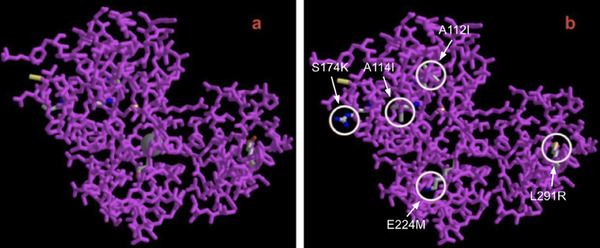
The authors looked at the primary structure of lignin peroxidase in an attempt to identify mutations that would improve both the stability and solubility of the peroxidase protein. The goal is to engineer peroxidase enzymes that are stable to help break down polymers, such as PVC, into monomers that can be reused instead of going to landfills.
Read More...Cleaning up the world’s oceans with underwater laser imaging
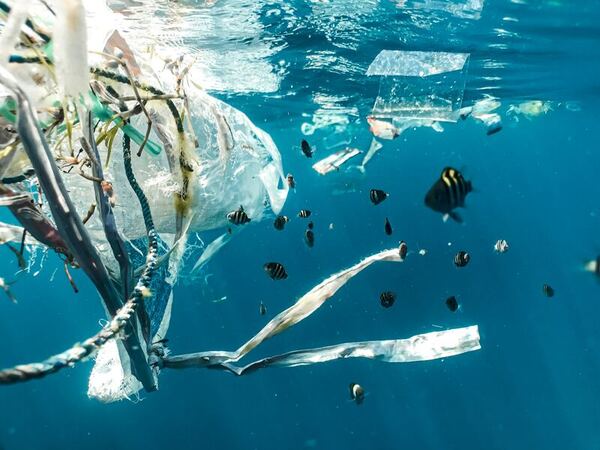
Here recognizing the growing amount of plastic waste in the oceans, the authors sought to develop and test laser imaging for the identification of waste in water. They found that while possible, limitations such as increasing depth and water turbidity result in increasing blurriness in laser images. While their image processing methods were somewhat insufficient they identified recent methods to use deep learning-based techniques as a potential avenue to viability for this method.
Read More...An analysis of the distribution of microplastics along the South Shore of Long Island, NY
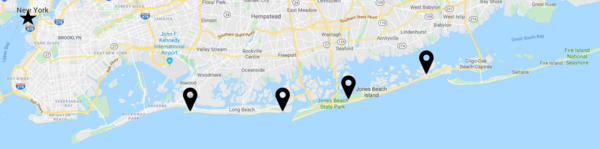
This study is focused on the distribution of microplastics in Long Island, NY. Microplastics are plastic particles that measure less than 5 mm in length and pose an environmental risk due to their size, composition, and ubiquitous location in the marine environment. Focusing on the South Shore of Long Island, the authors investigated the locations and concentrations of microplastics at four locations along the shore line. While they did not find significant differences in the number of microplastics per location, there were microplastics at all four locations. This finding is important to drive future research and environmental policy as well.
Read More...Electromagnetic Radiation From Electronics Does Affect Plant Growth
Plants are the main producers of oxygen and organic compounds. Ensuring the health of these organisms is vital, as recent technologies could be damaging them. The purpose of this study was to find out if electromagnetic (EM) radiation from electronics affects plant growth.
Read More...The Effect of Different Fructose Diets on the Lifespan of C. elegans
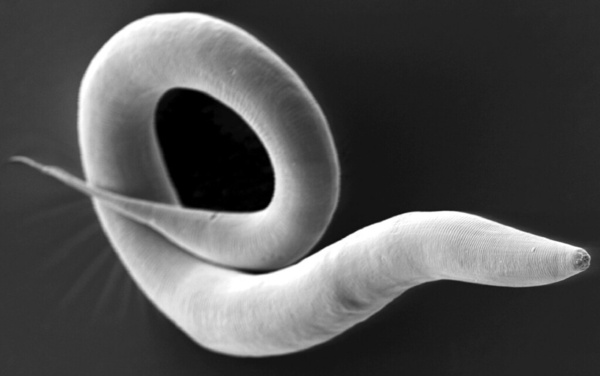
High-fructose diets consumed widely in modern societies predisposes to metabolic diseases such as diabetes. Using the worm C. elegans, the authors of this study investigated the effect of fructose on the worm's survival rates. They found that worms fed 15% fructose had a lower life expectancy than those on a fructose-free diet. These results suggest that, like in humans, fructose has a negative effect on worm survival, which makes them an easy, attractive model to study the effects of fructose on health.
Read More...Repulsion of Ants Using Non-Toxic Household Products
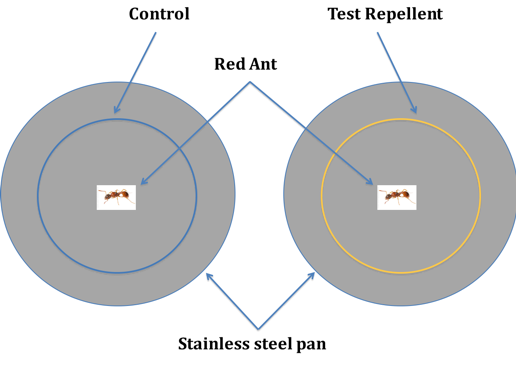
Ant invasion causes damage exceeding $5 billion annually in North America. In this study, Ambati and Duvvuri aim to identify natural products with ant-repelling properties using a custom ring apparatus designed to quantify ant-repellence. They report that cinnamon and lemon were the most effective ant repellents of the tested products. These data suggest that compounds found in non-toxic household products, such as cinnamon oil and lemon juice, could be used in low-dose combinations as potent, effective, eco-friendly, and safe ant repellents.
Read More...The Effect of Ultraviolet Radiation and the Antioxidant Curcumin on the Longevity, Fertility, and Physical Structure of Drosophila melanogaster: Can We Defend Our DNA?
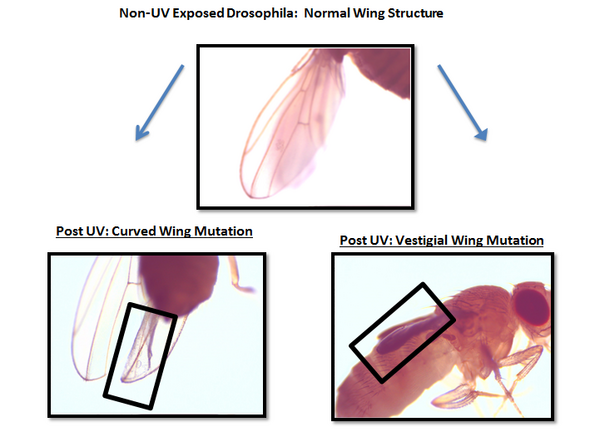
Ultraviolet (UV) radiation is known to alter DNA structure and impair cellular function in all living organisms. In this study, Lateef et al examine the effects of UV radiation to determine whether antioxidant-enriched nutrition can combat the potential deleterious effects of UV radiation on Drosophila melanogaster. They found that UVB (320nm) radiation caused a 59% decrease in the Drosophila lifespan and mutagenic effects on flies' physical appearance, but did not significantly affect fertility. Curcumin significantly prolonged lifespan and enhanced fertility for both UV- and non-UV-exposed flies. The research demonstrates the positive potential of natural antioxidants as weapons against radiation-induced diseases including cancer.
Read More...The effect of nanosilver particles on the lifespan of Daphnia magna in pond water
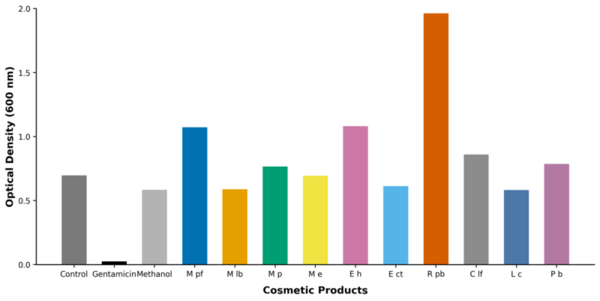
The authors looked at how nanosilver particles may negatively impact the pond water environment. They used D. magna as an indicator species to look at the impact of different concentrations of nanosilver particles.
Read More...Efficacy of natural coagulants in reducing water turbidity under future climate change scenarios
Here the authors investigated the effects of natural coagulants on reducing the turbidity of water samples from the Tennessee River Watershed. They found that turbidity reduction was higher at lower temperatures for eggshells. They then projected and mapped turbidity reactions under two climate change scenarios and three future time spans for eggshells. They found site-specific and time-vary turbidity reactions using natural coagulants could be useful for optimal water treatment plans.
Read More...