Browse Articles

Sex differences in confidence and memory

Primack et al. | Oct 25, 2021

Sex differences in confidence and memory

In this work, the authors sought to provide an original experiment to investigate the conflict over whether males or females tend to exhibit greater accuracy or confidence in their memories. By using an online portal to obtain a convenience sample, the authors found that their results suggest that though males tend to be more confident regarding their memories, they may in fact remember fewer details. The authors suggest that these findings merit further research before making systematic changes regarding crime scene recall settings.

Read More...

Algorithmic barriers: Investigating student perceptions of AI bias in subjective “culture fit” hiring

Mahatara et al. | May 25, 2026

Algorithmic barriers: Investigating student perceptions of AI bias in subjective “culture fit” hiring
Image credit: JonTyson

This study investigated perceptions of the emerging workforce toward the use of artificial intelligence in hiring, specifically for assessing subjective "culture fit." Through a mixed-methods survey of 150 high school and early-college students in Nepal, we found a significant disconnect between organizational adoption of AI and the profound skepticism of young job candidates, who express deep concerns about fairness, transparency, and the potential for AI to perpetuate systemic discrimination.

Read More...

Determining viability of image processing models for forensic analysis of hair for related individuals

Wang et al. | Feb 04, 2025

Determining viability of image processing models for forensic analysis of hair for related individuals
Image credit: Taylor Smith

Here, the authors used machine learning to analyze microscopic images of hair, quantifying various features to distinguish individuals, even within families where traditional DNA analysis is limited. The Discriminant Analysis (DA) model achieved the highest accuracy (88.89%) in identifying individuals, demonstrating its potential to improve the reliability of hair evidence in forensic investigations.

Read More...

A novel approach for predicting Alzheimer’s disease using machine learning on DNA methylation in blood

Adami et al. | Sep 20, 2023

A novel approach for predicting Alzheimer’s disease using machine learning on DNA methylation in blood
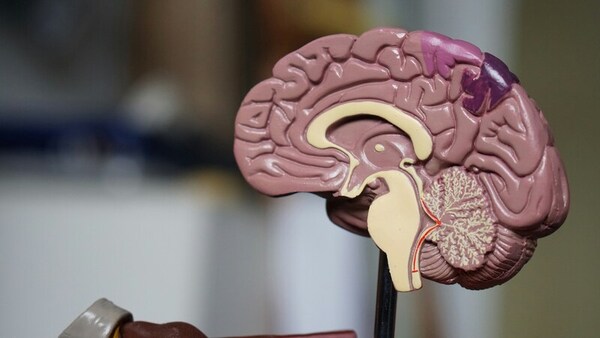
Image credit: National Cancer Institute

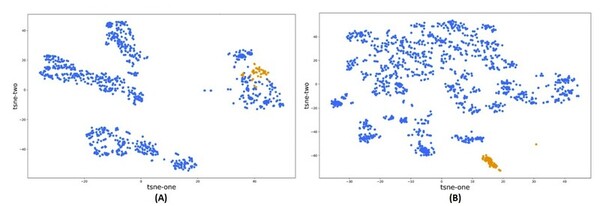
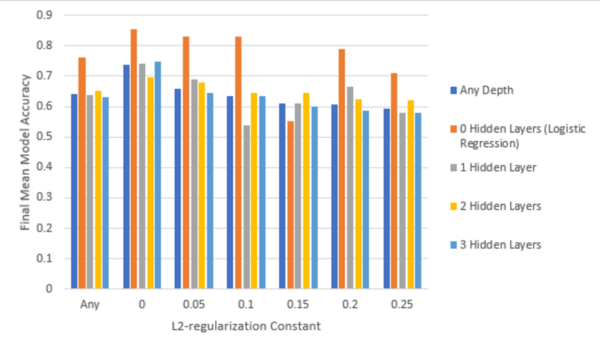
Here, recognizing the difficulty associated with tracking the progression of dementia, the authors used machine learning models to predict between the presence of cognitive normalcy, mild cognitive impairment, and Alzheimer's Disease, based on blood DNA methylation levels, sex, and age. With four machine learning models and two dataset dimensionality reduction methods they achieved an accuracy of 53.33%.

Read More...

Breast cancer mammographic screening by different guidelines among women of different races/ethnicities

Wang et al. | Aug 27, 2023

Breast cancer mammographic screening by different guidelines among women of different races/ethnicities

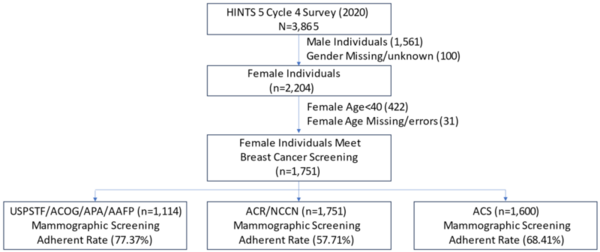
Mammographic screening is a common diagnostic tool for breast cancer among average-risk women. The authors hypothesized that adherence rates for mammographic screening may be lower among minorities (non-Hispanic black (NHB) and Hispanic/Latino) than among non-Hispanic whites (NHW) regardless of the guideline applied. The findings support other studies’ results that different racial/ethnic and socio-demographic factors can affect screening adherence. Therefore, healthcare providers should promote breast cancer screening especially among NHW/Hispanic women and women lacking insurance coverage.

Read More...

A comparison of use of the mobile electronic health record by medical providers based on clinical setting

Stover et al. | Jul 12, 2023

A comparison of use of the mobile electronic health record by medical providers based on clinical setting
Image credit: Tima Miroshnichenko

The electronic health record (EHR), along with its mobile application, has demonstrated the ability to improve the efficiency and accuracy of health care delivery. This study included data from 874 health care providers over a 12-month period regarding their usage of mobile phone (EPIC® Haiku) and tablet (EPIC® Canto) mEHR. Ambulatory and inpatient care providers had the greatest usage levels over the 12-month period. Awareness of workflow allows for optimization of mEHR design and implementation, which should increase mEHR adoption and usage, leading to better health outcomes for patients.

Read More...

Machine learning-based enzyme engineering of PETase for improved efficiency in plastic degradation

Gupta et al. | Jan 31, 2023

 Machine learning-based enzyme engineering of PETase for improved efficiency in plastic degradation
Image credit: Markus Spiske

Here, recognizing the recognizing the growing threat of non-biodegradable plastic waste, the authors investigated the ability to use a modified enzyme identified in bacteria to decompose polyethylene terephthalate (PET). They used simulations to screen and identify an optimized enzyme based on machine learning models. Ultimately, they identified a potential mutant PETases capable of decomposing PET with improved thermal stability.

Read More...