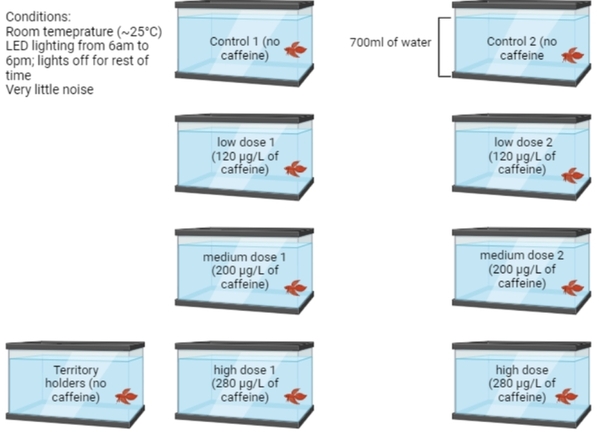
The authors test the effect of caffeine on the behavior of the Siamese fighting fish Betta splendens.
Read More...Determining the impact of caffeine on aggression in Betta splendens
The authors test the effect of caffeine on the behavior of the Siamese fighting fish Betta splendens.
Read More...A Scientific Investigation of Alternative Growing Methods to Cultivate Lactuca sativa
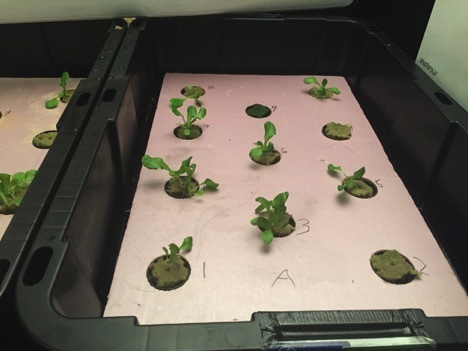
In this article, the authors compare different resource-efficient farming methods for the vegetable Lactuca sativa. They compared hydroponics (solid growth medium with added nutrients) to aquaponics (water with fish waste to provide nutrients) and determined efficacy by measuring plant height over time. While both systems supported plant growth, the authors concluded that aquaponics was the superior method for supporting Lactuca sativa growth. These findings are of great relevance as we continue to find the most sustainable and efficient means for farming.
Read More...A natural language processing approach to skill identification in the job market
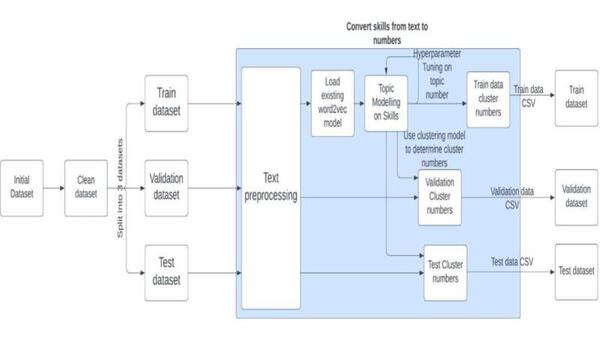
The authors looked at using machine learning to identify skills needed to apply for certain jobs, specifically looking at different techniques to parse apart the text. They found that Bidirectional Encoder Representation of Transforms (BERT) performed best.
Read More...Simulating natural selection via autonomous agents: Environmental factors create unstable equilibria
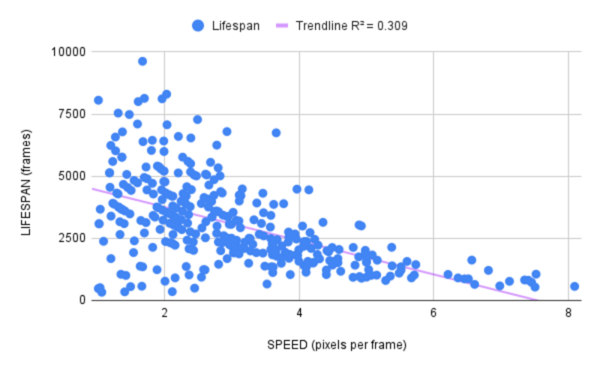
Natural selection shapes the evolution of all organisms, and one question of interest is whether natural selection will reach a "stopping point": a stable, ideal, value for any particular trait. Madhan and Kanagavel tackle this question by building a computer simulation of trait evolution in organisms.
Read More...Quantifying natural recovery of dopamine deficits induced by chronic stress
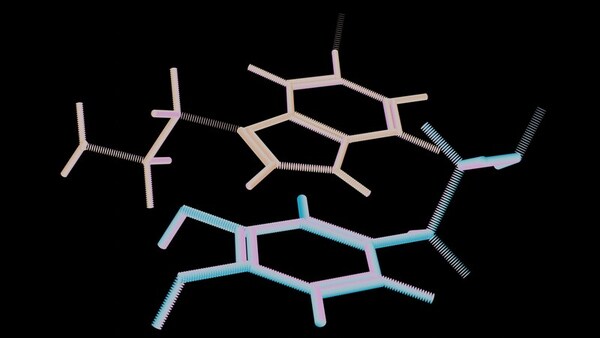
Here the authors investigated the natural recovery of stress-induced dopamine-related gene deficits in C. elegans by measuring the expression of cat-2 (dopamine biosynthesis) and sod-2 (oxidative stress) following exposure to starvation or hydrocortisone. They found that the reversibility of sod-2 and the expression of cat-2 were highly dependent on the type and severity of the stressor, suggesting that the body's natural ability to recover from dopamine dysfunction has biological limitations.
Read More...Exploring natural ways to maintain keratin production in hair follicles
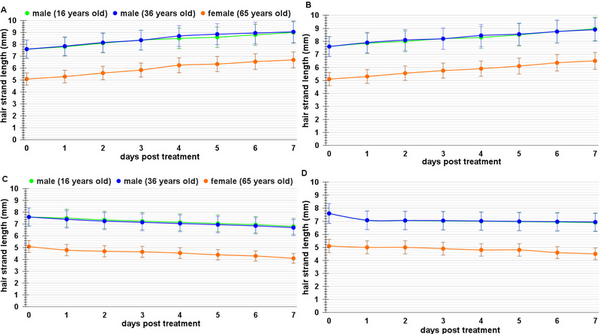
We are looking into natural ways to help hair grow better and stronger by studying keratin synthesis in human hair follicles. The reason for conducting this research was to have the ability to control hair growth through future innovations. We wanted to answer the question: How can we find natural ways to enhance hair growth by understanding the connection with natural resources, particularly keratin dynamics? The main focus of this experiment is understanding the promotion of keratin synthesis within human hair follicles, which is important for hair development and health. While keratin is essential for the growth and strength of body tissues, including skin and hair, our research hints at its specific synthesis within hair follicles. In our research utilizing castor oil, coconut oil, a turmeric and baking soda mixture, and a sugar, honey, and lemon mixture, we hypothesize that oils, specifically coconut oil and castor oil, will enhance keratin synthesis, whereas mixtures, such as the turmeric and baking soda mixture and the sugar, honey, and lemon mixture, will result in a decrease keratin synthesis. The methods used show how different natural substances influence keratin formation within the hair follicles. The experiment involved applying natural resources to hair strands and follicles, measuring their length under the microscope daily, and assessing their health and characteristics over seven days. In summary, our research helps us understand how hair grows better. We found that using natural items like essential oils effectively alters keratin growth within the hair follicles and hair strands.
Read More...The effect of natural phenolic compounds on reducing oxidative stress
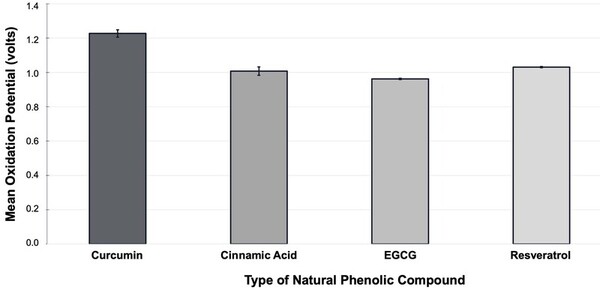
The authors looked at the potential of different phenolic compounds to reduce oxidative stress (i.e., act as antioxidants).
Read More...Efficacy of natural coagulants in reducing water turbidity under future climate change scenarios

Here the authors investigated the effects of natural coagulants on reducing the turbidity of water samples from the Tennessee River Watershed. They found that turbidity reduction was higher at lower temperatures for eggshells. They then projected and mapped turbidity reactions under two climate change scenarios and three future time spans for eggshells. They found site-specific and time-vary turbidity reactions using natural coagulants could be useful for optimal water treatment plans.
Read More...Ramifications of natural and artificial sweeteners on the gastrointestinal system
_resized.jpg)
This study aimed to determine whether artificial sweeteners are harmful to the human microbiome by investigating two different bacteria found to be advantageous to the human gut, Escherichia coli and Bacillus coagulans. Results showed dramatic reduction in bacterial growth for agar plates containing two artificial sweeteners in comparison to two natural sweeteners. This led to the conclusion that both artificial sweeteners inhibit the growth of the two bacteria and warrants further study to determine if zero-sugar sweeteners may be worse for the human gut than natural sugar itself.
Read More...A comparative analysis of synthetic and natural fabrics
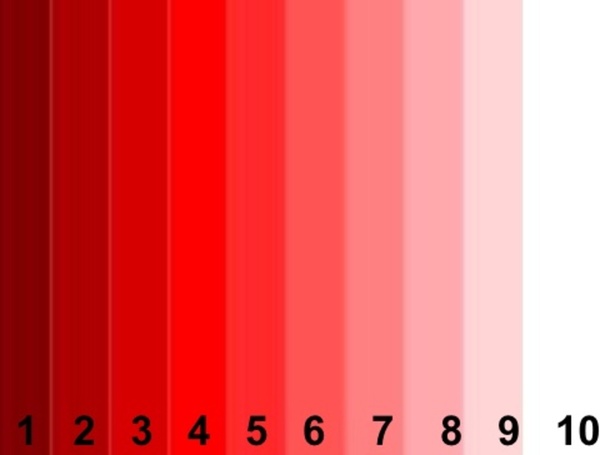
The authors test the durability of synthetic versus non-synthetic fabrics though loose thread counts, color fade over time, and shrinkage tests.
Read More...