Browse Articles

The impacts of different Al(NO3)3 concentrations on the mitotic index of Allium sativum

Jimenez Pol et al. | Jul 10, 2023

The impacts of different Al(NO<sub>3</sub>)<sub>3</sub> concentrations on the mitotic index of <i>Allium sativum</i>
Image credit: Kylie Paz

Recognizing the increasing threat of acid deposition inn soil through the reaction of NOx and SO2 pollutants with water in Spain, the authors investigates the effects of Al(NO3)3 concentrations on the health of Allium sativum. By tracking its mitotic index, they found a negative exponential correlation between Al(NO3)3 concentrations and the mitotic index of A. sativum.

Read More...

Comparing the Dietary Preference of Caenorhabditis elegans for Bacterial Probiotics vs. Escherichia coli.

Lulla et al. | Dec 18, 2020

Comparing the Dietary Preference of <i>Caenorhabditis elegans</i> for Bacterial Probiotics vs. <i>Escherichia coli</i>.

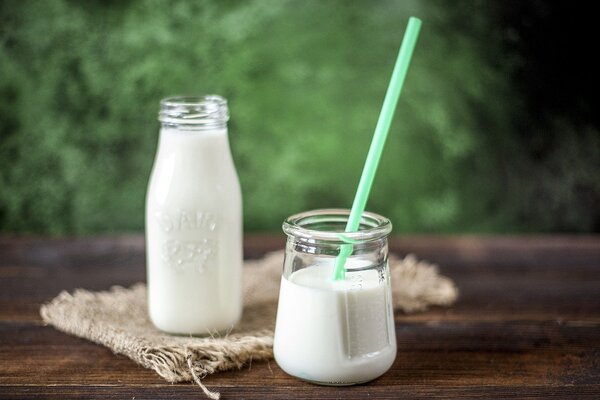
In this experiment, the authors used C. elegans as a simple model organism to observe the impact of probiotics on the human digestive system. The results of the experiments showed that the C. elegans were, on average, most present in Chobani cultures over other tested yogurts. While not statistically significant, these results still demonstrated that C. elegans might prefer Chobani cultures over other probiotic yogurts, which may also indicate greater gut benefits from Chobani over the other yogurt brands tested.

Read More...

Investigating the Role of Biotic Factors in Host Responses to Rhizobia in the System Medicago truncatula

Rathod et al. | Jan 22, 2019

Investigating the Role of Biotic Factors in Host Responses to Rhizobia in the System Medicago truncatula

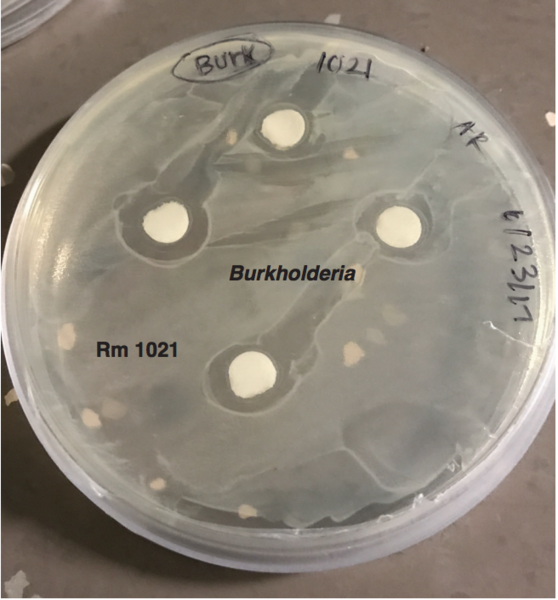
Nitrogen-fixing bacteria, such as the legume mutualist rhizobia, convert atmospheric nitrogen into a form that is usable by living organisms. Leguminous plants, like the model species Medicago truncatula, directly benefit from this process by forming a symbiotic relationship with rhizobia. Here, Rathod and Rowe investigate how M. truncatula responds to non-rhizobial bacterial partners.

Read More...

An exploration of western mosquitofish as the animal component in an aquaponic farming system

Medina et al. | Dec 03, 2024

An exploration of western mosquitofish as the animal component in an aquaponic farming system
Image credit: The authors

Aquaponics (the combination of aquatic plant farming with fish production) is an innovative farming practice, but the fish that are typically used, like tilapia, are expensive and space-consuming to cultivate. Medina and Alvarez explore other options test if mosquitofish are a viable option in the aquaponic cultivation of herbs and microgreens.

Read More...

Contribution of environmental factors to genetic variation in the Pacific white-sided dolphin

Talwar et al. | Jan 23, 2024

Contribution of environmental factors to genetic variation in the Pacific white-sided dolphin
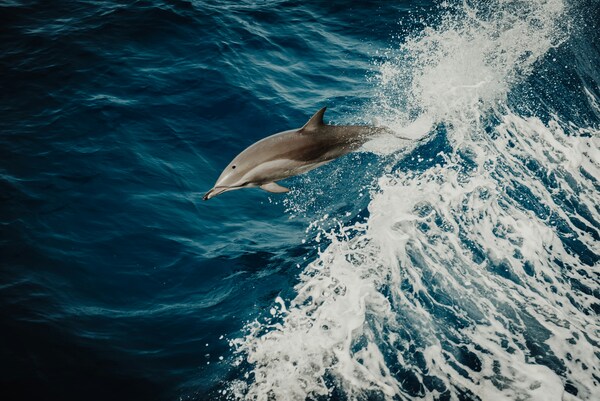
Image credit: Flavio

Here the authors sought to understand the effects of different variables that may be tied to pollution and climate change on genetic variation of Pacific white-sided dolphins, a species that is currently threatened by water pollution. Based on environmental data collected alongside a genetic distance matrix, they found that ocean currents had the most significant impact on the genetic diversity of Pacific white-sided dolphins along the Japanese coast.

Read More...

Repurposing citrus peel waste and its positive effects on our health and communities

Kim et al. | Feb 08, 2021

Repurposing citrus peel waste and its positive effects on our health and communities

Every year, more than 30% of food products go to waste. This is approximately 1.3 billion tons of food, which is equivalent to 1.3 trillion U.S. dollars. While conventional solid waste treatments and fertilization of food waste are common, citrus fruit peels require secondary applications and advanced disposal management due to their low pH values and high antimicrobial characteristics. Since citrus fruits are well-known sources of vitamin C and antioxidants, we hypothesized that their peels also contain high amounts of vitamin C and antioxidants. In our study, five common citrus peels including grapefruit, lemon, lime, orange, and tangerine, were used to determine the amounts of vitamin C and total soluble antioxidants.

Read More...

The optimization of high-protein duckweed cultivation in eutrophicated water with mutualistic bacteria

Akkarajeerawat et al. | Mar 18, 2025

The optimization of high-protein duckweed cultivation in eutrophicated water with mutualistic bacteria

he rapid growth of the human population is driving food crises in Thailand and Southeast Asia, while contributing to global food insecurity and a larger carbon footprint. One potential solution is cultivating duckweed (Wolffia globosa) for consumption, as it grows quickly and can provide an alternative protein source. This research explored two methods to optimize duckweed cultivation: using phosphorus- and nitrogen-rich growing media and plant growth-promoting bacteria (PGPB).

Read More...