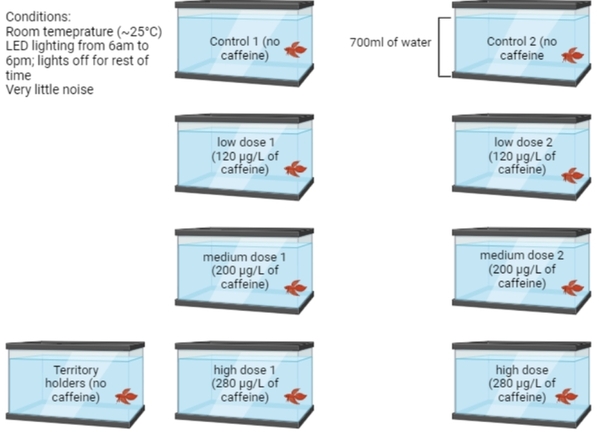
The authors test the effect of caffeine on the behavior of the Siamese fighting fish Betta splendens.
Read More...Determining the impact of caffeine on aggression in Betta splendens
The authors test the effect of caffeine on the behavior of the Siamese fighting fish Betta splendens.
Read More...The effects of algaecides on Spirulina major and non-target organism Daphnia magna
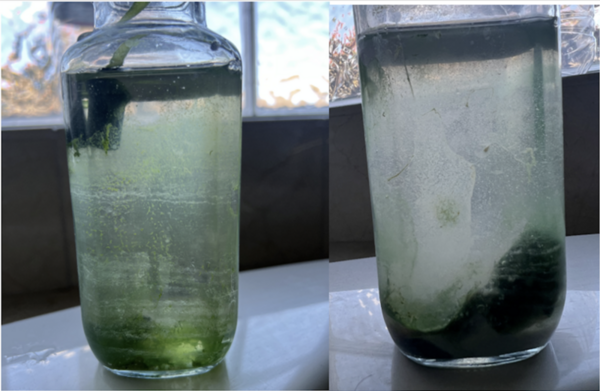
Algal blooms pose a threat to ecosystems, but the methods used to combat these blooms might harm more than just the algae. Halepete, Graham, and Lowe-Schmahl demonstrate negative effects of anti-algae treatments on a cyanobacterium (Spirulina major), and the water fleas (Daphnia magna) that live alongside these cyanobacteria.
Read More...The effect of activation function choice on the performance of convolutional neural networks
With the advance of technology, artificial intelligence (AI) is now applied widely in society. In the study of AI, machine learning (ML) is a subfield in which a machine learns to be better at performing certain tasks through experience. This work focuses on the convolutional neural network (CNN), a framework of ML, applied to an image classification task. Specifically, we analyzed the performance of the CNN as the type of neural activation function changes.
Read More...The impact of genetic analysis on the early detection of colorectal cancer
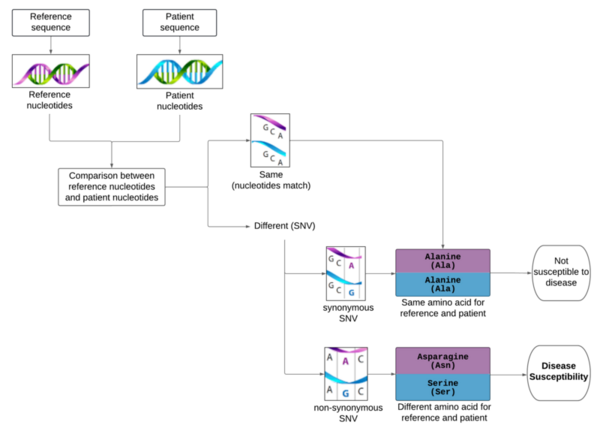
Although the 5-year survival rate for colorectal cancer is below 10%, it increases to greater than 90% if it is diagnosed early. We hypothesized from our research that analyzing non-synonymous single nucleotide variants (SNVs) in a patient's exome sequence would be an indicator for high genetic risk of developing colorectal cancer.
Read More...Ramifications of natural and artificial sweeteners on the gastrointestinal system
_resized.jpg)
This study aimed to determine whether artificial sweeteners are harmful to the human microbiome by investigating two different bacteria found to be advantageous to the human gut, Escherichia coli and Bacillus coagulans. Results showed dramatic reduction in bacterial growth for agar plates containing two artificial sweeteners in comparison to two natural sweeteners. This led to the conclusion that both artificial sweeteners inhibit the growth of the two bacteria and warrants further study to determine if zero-sugar sweeteners may be worse for the human gut than natural sugar itself.
Read More...Inflated scores on the online exams during the COVID-19 pandemic school lockdown
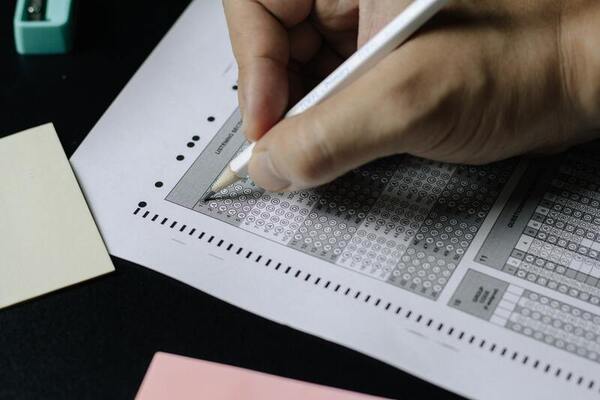
In this study, the authors explored whether students' test scores were significantly higher on online exams during the COVID-19 school lockdown when compared to those of the in-person exams before the lockdown.
Read More...A comparative study on the suitability of virtual labs for school chemistry experiments
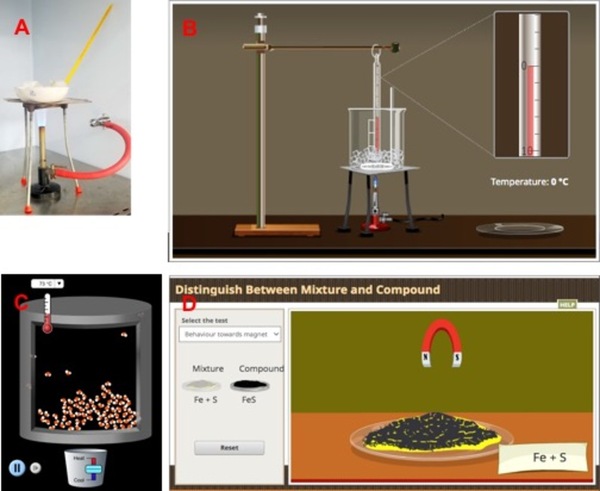
Virtual labs have been gaining popularity over the last few years, especially during the worldwide lockdown due to the COVID-19 pandemic. In this study, the suitability of virtual labs for school chemistry experiments is addressed and their effectiveness is compared to traditional physical lab experiments by focusing on physical and human resources, convenience, cost, safety, and time involved as well as topic "matter".
Read More...The influence of experience on the perception of homelessness in individuals
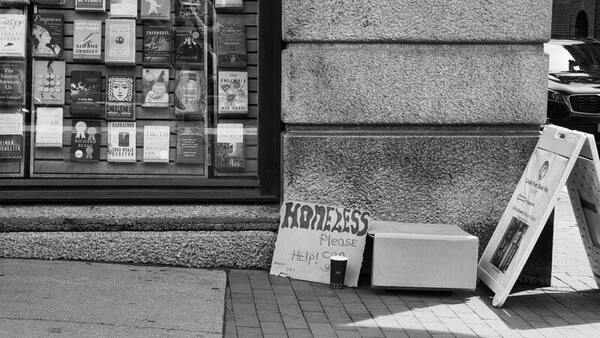
Economic disruptions and housing instabilities have for long propelled a homelessness epidemic among adults and youth in the United States. The COVID-19 pandemic has accelerated this phenomenon with a 2.2% increase in the number of homeless individuals and more than 70% of Americans fearing this outcome for themselves. This study aimed to analyze the perception of homelessness in two groups: Those who have previously experienced and overcome homelessness and those who are at-risk for experiencing the same. The study analyzed publicly available Reddit posts by people in both groups and found that at-risk individuals tended to associate primarily fearful emotions with the event, and those who had overcome homelessness tended to view the event in a negative context. These results may encourage the establishment of resources to support the currently homeless and help them transition into society, and services to help them cope with negative emotions, as negative attitudes have been shown to decrease life expectancy.
Read More...The effect of microplastics on the speed, mortality rate, and swimming patterns of Daphnia Magna
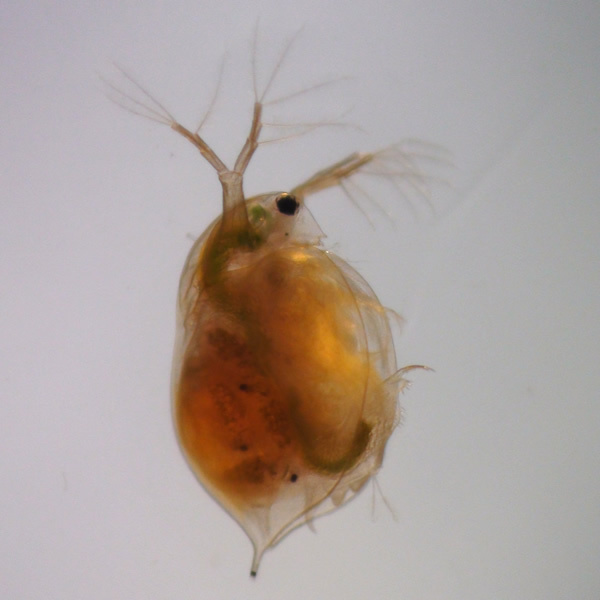
In this study, the authors investigate the effects that microplastics (which pollute fresh and saltwater ecosystems) have on plankton species Daphnia Magna by measuring their movement and viability.
Read More...The effects of stress on the bacterial community associated with the sea anemone Diadumene lineata
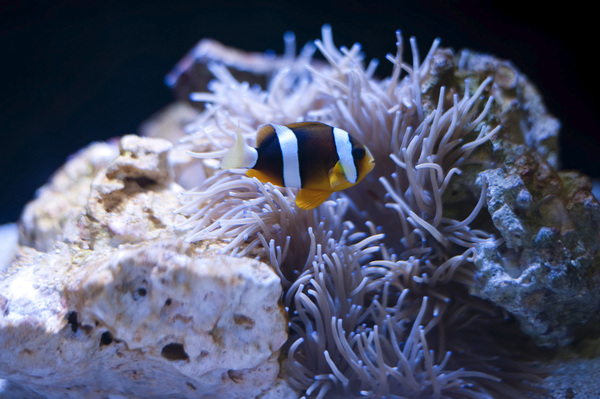
In healthy ecosystems, organisms interact in a relationship that helps maintain one another's existence. Stress can disrupt this interaction, compromising the survival of some of the members of such relationships. Here, the authors investigate the effect of stress on the interaction between anemones and their microbiome. Their study suggests that stress changes the composition of the surface microbiome of the anemone D. lineata, which is accompanied by an increase in mucus secretion. Future research into the composition of this stress-induced mucus might reveal useful antimicrobial properties.
Read More...